7 common tax-filing mistakes Americans make and how to avoid them
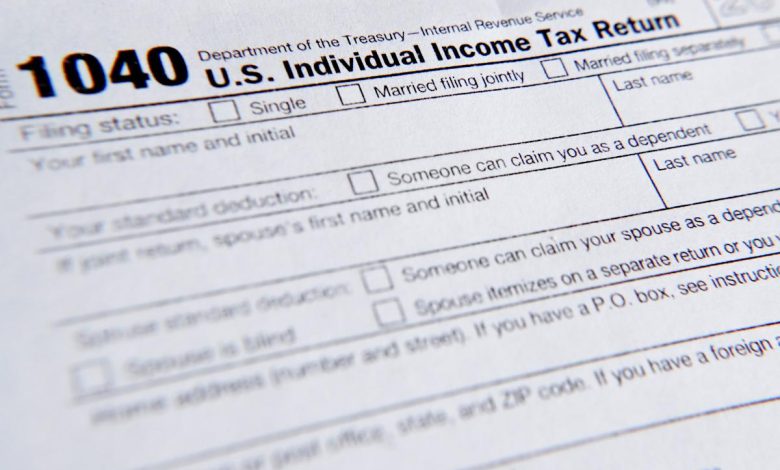
The idea of making a mistake on your tax return may be daunting. After all, significant errors could lead to penalties or the dreaded audit.
But there’s good news: The most common tax mistakes are simple fixes. Here’s everything you need to know about what they are and how to avoid (and fix) them if they happen to you.
As you file your federal returns, look out for these common — and avoidable — mistakes.
Filing your tax return early isn’t necessarily a bad idea, but submitting it before you receive all your tax documents could result in errors.
Even the simplest tax returns that only require a Form W-2 shouldn’t be filed before Jan. 31, which is the deadline for employers to send out W-2s to employees. For this year, the deadline was Feb. 2.
More complicated returns may need to wait longer. Many 1099s, used to report additional income for the self-employed and not from an employer, can come as late as mid-February.
If you file before receiving your documents, you risk underreporting income. And this could increase your chances of an IRS audit and lead to underpayment penalties.
How to avoid this mistake: Wait until you have all your documents before filing your return. All forms (like W-2s and 1099s) should be issued by your employers by the middle of February.
2. Inaccuracies and typos
If you prepare your return manually, you could introduce errors. Everything from a misspelled employer name to deduction miscalculations can cause a delay in processing your tax return or cause it to be rejected altogether (in which case, you’ll have to file again to correct those errors).
One common mistake is a wrong name associated with a Social Security number. All names and Social Security numbers (SSNs) must be entered the exact same way they appear on your SSN card. If you’re used to writing your or a dependent’s name differently, this can be an easy mistake to make.
How to avoid this mistake: Double-check everything, including names, Social Security numbers, employers, and math calculations. Another way to avoid this mistake is to file using a tax-filing software like TurboTax or H&R Block. They guide you through the process with helpful prompts and can sometimes automatically upload documents for you, leaving a smaller margin for error (but you’ll still need to check that all information is entered correctly).
Your tax-filing status can significantly impact the credits you can claim, the forms you need to file, and whether you have a refund or a tax liability.
There are five statuses, and you can only select one. But knowing which to choose can get tricky if you’re eligible for more than one.
| FILING STATUS | WHO QUALIFIES | STANDARD DEDUCTION 2025 (for taxes due April 15, 2026) | STANDARD DEDUCTION 2026 (for taxes due April 15, 2027) |
|---|---|---|---|
| SINGLE | Unmarried, divorced, or legally separated taxpayers | $15,750 | $16,100 |
| MARRIED FILING JOINTLY | Married taxpayers | $31,500 | $32,200 |
| MARRIED FILING SEPARATELY | Married couples filing separately | $15,750 | $16,100 |
| HEAD OF HOUSEHOLD | Unmarried taxpayers with dependents | $23,625 | $24,150 |
For example, if you’re married, you have the option of married filing jointly or married filing separately. And single individuals with dependents should carefully consider whether it makes more sense to file as single or as head of household.
You don’t want the wrong filing status to leave you with a higher tax bill.
How to avoid this mistake: Consider all factors when selecting your status. Keep in mind that if you’re married, the biggest tax breaks generally come from filing jointly.
Read more: How to choose the right tax filing status
There were several changes to deductions and credits in 2025 as part of the One Big Beautiful Bill that can be a big miss if you’re unaware of them. Here are a few:
Learn more: Best tax deductions to claim this year
How to avoid this mistake:
-
Do your research before filing to find all the credits or deductions that will bring your bill down.
-
Figure out if you want to file using the standard deduction or itemize. With the increased standard deduction, it may not make sense to itemize even if you’ve done it in the past (unless you can take advantage of the new SALT deduction along with other deductions and credits).
-
Use tax software, as you’ll be asked the appropriate questions to figure out which breaks you qualify for.
-
Hire a tax professional who can guide you through the process and knows the tax code.
Direct deposit is the fastest way to get your tax refund, but not if you have the wrong bank information.
This is especially important as the IRS looks to phase out paper check refunds.
Incorrect account information could result in the bank rejecting your refund or the IRS depositing it into the wrong account. At the very least, it could delay your refund for several weeks.
How to avoid this mistake: Have bank documents handy so you can double-check your account numbers when using direct deposit. If you’re filing the old-fashioned way, do the same — make sure those numbers are accurate. Otherwise, the IRS will delay your refund.
Learn more: Where’s my tax refund? How to check your refund status in 3 steps.
The deadline for most taxpayers to file their taxes is April 15. Missing this deadline, especially if you owe taxes, could result in a failure to file and a failure to pay penalty.
If you need more time to file your returns, you can request an extension, but you must do so before the tax deadline to avoid the late-file penalty. Certain situations, such as if you’re out of the country or affected by a natural disaster, may get an automatic extension.
Keep in mind that a tax extension gives you more time to file, not more time to pay. If you think you’ll owe a tax, it’s best to pay the estimated bill by April 15. Any balance after that date can accrue interest and penalties.
How to avoid this mistake: File an extension and pay an estimated tax amount when you do. Or if you’re overwhelmed with tax documents and running out of time, use tax software or hire a professional who can file your taxes for you. That way, you’ll avoid penalties and interest for not filing on time.
Read more: How to file a tax extension with the IRS
Ignoring your withholding, which dictates how much of your paycheck to set aside for taxes, can result in either an overly large refund or a tax bill.
Withhold too much, and you can get a massive tax refund, which is just a return of overpaid taxes. This is concerning because it’s money you could’ve had throughout the year to cover bills, build an emergency savings, or grow your investment portfolio.
On the flip side, if you withhold too little, you could owe the IRS. So the idea is to adjust your tax withholding to get as close to a $0 refund as possible. To do this, update your W-4.
How to avoid this mistake: Revisit your W-4 withholding every year and adjust if needed. Use the IRS Withholding Estimator to help you fill it out.
Learn more: Tax refunds are larger this year. Why that’s not good news for taxpayers.
Use these tips to avoid the common tax pitfalls as you prepare your return.
-
Know the deadlines: The tax filing deadline isn’t the only one worth paying attention to. Make sure you know when to expect important tax documents.
-
Triple-check your information: If you’re entering information manually, do so carefully to avoid errors or inaccuracies. Always review what you’ve entered.
-
Explore IRS tax tools: Use interactive tools, like the IRS Interactive Tax Assistant, to help you select the right filing status, tax credits, and deductions, and include the correct forms with your return.
-
Ask for an extension, if needed: You can get an extra six months to file. Just remember, if you owe, your payment is still due by the April deadline.
-
Use electronic tax filing software: Online tax software, like TaxAct, H&R Block, or TurboTax, can help reduce errors.
-
Work with a tax professional: Use a tax professional if you’re not comfortable diving into the details of your tax return.
If you made a mistake, you can file an amended return to correct it.
To amend a tax return, complete Form 1040-X and a new 1040, along with any additional tax forms affected by the change.
You can file an amended return electronically unless the original return was filed on paper. But before you file, check the IRS “Should I file an amended return?” tool to see if an amended return is required.
Read more: How to file an amended tax return
The IRS lists several common tax mistakes, ranging from misspellings to incorrect SSNs, miscalculated credits or deductions, and more. You can view the IRS checklist to avoid these common errors.
Frequently overlooked ones include charitable donations, student loan interest, and the state and local tax deduction. However, several tax policy changes enacted by the One Big Beautiful Bill can also be easy to miss if filers are unaware of them.
You can fix a mistake on a return you’ve already filed by submitting an amended return. You’ll need to complete Form 1040-X, a new 1040, and any other forms impacted by the correction. File it electronically unless you submitted the original return by paper.