What Might the Iran War Mean for the Stock Market?
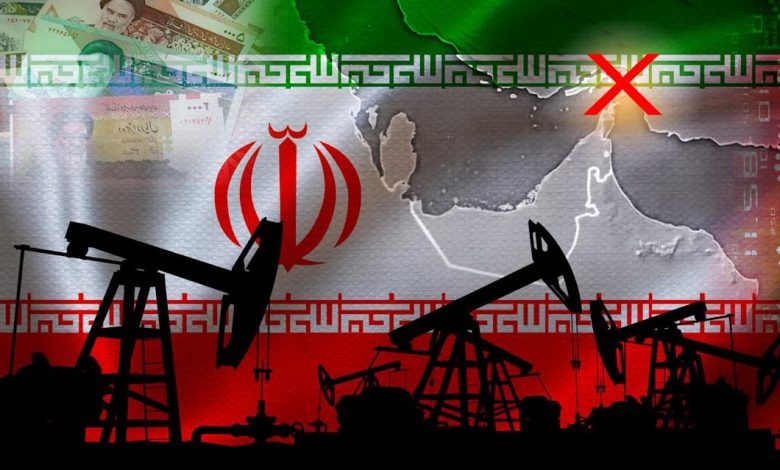
Thanks to tariffs, huge spending, and pressure on the Federal Reserve, the Trump administration has injected a great deal of uncertainty into global financial markets. But things went a step further on Feb. 28 when the U.S. and Israel began strikes on Iran. Let’s explore what this could mean for stocks and the crude oil market.
There is some data on the stock market during wartime — including this research from The Motley Fool — but there isn’t a clear relationship between military conflicts and stock market performance. While some economists credit World War II with helping end the Great Depression and setting the stage for an economic boom in the 1950s, investors shouldn’t expect military conflicts to have such a big impact (either positive or negative) on modern economies because systems are much more complex now, and current wars are less widespread than World War II.
Will AI create the world’s first trillionaire? Our team just released a report on the one little-known company, called an “Indispensable Monopoly” providing the critical technology Nvidia and Intel both need. Continue »
Large-scale conflicts such as the Russian invasion of Ukraine that started in 2022 didn’t lead to a sustained decline in global stocks. In fact, the STOXX Europe 600, an index that tracks a basket of eurozone equities, has risen by over 30% since the invasion.
I expect a similar story to play out with the current Iran war, as the market focuses on things like consumer spending and capital spending related to generative artificial intelligence, which will have a more direct impact on corporate earnings over the next few years.
While the Iran war doesn’t look like a huge downside risk to stocks and the economy right now, that could change if it expands into a full-fledged ground operation. According to an analysis from Brown University, the post-9/11 20-year “war on terror” cost the U.S. an eye-popping $8 trillion.
We don’t know what the latest war will end up costing, but rising U.S. debt levels could shake investor confidence in the dollar and cause Treasury bond yields to spike. If Treasury yields jump, it could increase capital costs throughout the economy and reduce the valuations of growth stocks, as those companies often aren’t able to fund their operations with internal cash flow.
The current war’s influence on oil markets is much clearer. Iran is the ninth-largest oil producer in the world, with 3.99 million barrels per day in 2023 (4% of the total), and some of the country’s oil facilities have already been attacked — alongside facilities in neighboring countries. That reduces supply, which leads to higher prices. And Iran has closed the Strait of Hormuz, a key oil transport route, putting more pressure on oil supplies.