With gold sinking and Bitcoin swaying, Iran war is reshaping safe-haven bets
Live updates: Follow the latest news on US-Iran war
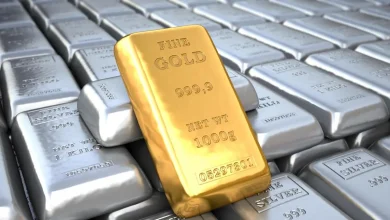
Gold prices posted their largest weekly percentage drop in more than 14 years on Friday and are on track for their largest weekly decline since 1983, as the Iran conflict continues to cause havoc in markets.
Bullion tumbled 2.36 per cent to $4,494.10 per ounce on Friday, according to GoldPrice.org, as the Middle East war sent energy prices soaring and dashed hopes of near-term interest rate cuts.
The traditional safe-haven asset has dropped every week since the US and Israel attacked Iran on February 28. The retreat has come as the US dollar gained ground while investors sold stocks and bonds amid concerns over the ripple effects of elevated energy costs to inflation and global growth.
Prices extended their decline after reports the US is to send three warships and thousands of Marines to the region, prompting traders to price in a 50 per cent chance of a US Federal Reserve rate increase by October amid fears of sustained inflation, Trading Economics said. Earlier this week, the Fed, European Central Bank, Bank of England and Bank of Japan held rates steady, but signalled their readiness to tighten policy further if inflationary pressures persist.
In the past month, gold prices have fallen more than 14 per cent, but they are still 48.45 per cent higher than a year ago, according to trading on a contract for difference that tracks the benchmark market for this commodity, as quoted by Trading Economics. Gold reached an all-time high of $5,608.35 in January.
“Gold has struggled somewhat in recent weeks even as dark clouds gather over the Middle East and the outlook for the global economy becomes increasingly uncertain,” Ole Hansen, head of commodity strategy at Saxo Bank, said in a research note. “The current market backdrop is dominated by one of the most significant disruptions to global energy flows in decades.
“However, during periods of elevated uncertainty, investors often seek to raise liquidity and gold frequently becomes a source of funds to meet margin calls or rebalance portfolios. This dynamic has contributed to the recent sideways price action.”
According to Rhona O’Connell, an analyst at StoneX Financial, gold’s price drop reflects a combination of profit-taking and liquidation amid concerns about less monetary easing. Prices above $5,200 attracted a lot of buyers, leaving the market vulnerable to correction, Bloomberg quoted her as saying. When prices started to fall, many investors hit their stop-loss levels – automatic instructions to sell if prices drop to a certain point – so selling accelerated quickly, Ms O’Connell said. Technical signals added to the downward pressure, she said.
Forced selling tied to the equity rout may also have contributed to gold’s decline, while slower central bank buying and outflows from exchange-traded funds have further affected sentiment, Bloomberg reported her as saying.
Bitcoin-gold relation
Although Bitcoin has significantly outperformed gold over the long term, 2026 has seen periods with gold reaching new highs.
The Bitcoin-gold correlation has flipped positive for the first time in weeks, suggesting the market is starting to treat Bitcoin less as a tech proxy and more as something else entirely, said Yevgeny Bebnev, a multi-manager fund specialist in Dubai.
Bitcoin briefly slid below $70,000 in New York on Friday as inflation fears tied to the Iran war rattled markets, overshadowing a regulatory win for cryptocurrencies in the US, he said.
Bitcoin fell for three straight days this week after reaching a six-week high of nearly $76,000 on March 17, as volatility in energy and oil markets continues. Traders are pricing in a 50 per cent chance of a Fed increase by October, said Mr Bebnev, founder and chief investment officer of Alaris Capital.