Dow, S&P 500, Nasdaq Futures Climb as Israel-Lebanon Agree to 10-Day Ceasefire
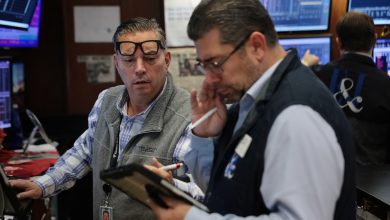
Global financial markets opened with a positive tone as US stock futures climbed after news of a 10-day ceasefire between Israel and Lebanon. The development improved investor confidence and reduced the fear of further escalation in the Middle East. Dow Jones, S&P 500, and Nasdaq futures all moved higher in early trading. The main driver was the easing of geopolitical risk after weeks of tension. A ceasefire in a sensitive region like the Middle East usually has a strong impact on global markets. Investors quickly shift from “fear mode” to “risk-on sentiment” when conflict risks decline. According to Reuters and other global reports, the agreement has been brokered with US involvement and aims to create space for further peace talks.
Market Reaction Overview
- Market Reaction: US stock futures reacted immediately after the Israel–Lebanon ceasefire, showing strong early gains across major indices.
- Dow Futures: Dow futures moved higher in early trading as investors reacted to reduced geopolitical risk and improved global sentiment.
- S&P 500: S&P 500 futures moved higher in a steady climb, as investors adopted a stronger risk-on approach following the ceasefire announcement.
- Nasdaq Strength: Nasdaq futures also climbed on tech optimism, as growth stocks benefited from easing conflict fears.
- Risk-On Mood: Risk-on sentiment means investors shifted from safe assets like gold and bonds toward equities due to improved stability.
- Oil Prices: Crude oil eased slightly as supply disruption fears reduced, since the Middle East is a key global oil region.
- Dollar & Bonds: The US dollar showed mixed movement, while bond yields stayed stable as markets awaited confirmation of ceasefire durability.
Ceasefire Agreement: What Happened?
- Ceasefire Announcement: A 10-day Israel–Lebanon ceasefire was announced after high-level diplomatic talks involving US mediation.
- Negotiation Process: The agreement came through direct and indirect talks between regional leaders aimed at reducing border tensions.
- Duration: The ceasefire is set for 10 days, making it a temporary pause rather than a long-term peace settlement.
- Key Terms: Includes halt in major military operations, limits on offensive actions, and diplomatic monitoring mechanisms.
- Extension Option: The ceasefire may be extended if both sides agree and conditions remain stable.
- Fragile Situation: Analysts warn that the deal is fragile, as similar past agreements in the region have often broken down.
Why Geopolitical Tensions Move Markets
- Market Sensitivity: Geopolitical events like war or ceasefire directly impact global financial markets within hours.
- Oil Impact: Middle East conflict raises oil supply fears, while a ceasefire reduces those concerns and stabilizes prices.
- Investor Confidence: When tensions fall, investor confidence rises, leading to higher stock buying activity.
- Safe-Haven Shift: During conflict, investors buy gold, the US dollar, and bonds; during ceasefire, money moves back into stocks.
- Trade Routes: Stability in the region improves global shipping routes, reducing costs and supply chain risks.
- Fast Reaction: Even a short 10-day ceasefire can quickly shift global market direction.
Sector-Wise Market Impact
- Technology Sector: Tech stocks gained as the Nasdaq rose, supported by strong risk appetite and easing geopolitical pressure.
- Growth Stocks: High-growth companies benefited most, as investors moved back into riskier assets.
- Energy Sector: Oil stocks showed mixed movement as crude prices eased slightly after the ceasefire news.
- Defense Stocks: The defense sector saw mild pressure, as reduced conflict lowers short-term demand expectations.
- Financial Sector: Banks and financial firms gained support from improved global stability and investor confidence.
- Overall Market Tone: The ceasefire created broad positive sentiment across most major sectors.
Broader Global Market Context
- Inflation Watch: US inflation expectations remain in focus as investors track Federal Reserve policy direction.
- Fed Policy: Uncertainty over interest rate cuts continues to shape global equity movements.
- Global Growth: Growth remains stable but uneven across major economies.
- Oil Volatility: Energy markets remain sensitive due to ongoing geopolitical risks and supply concerns.
- Earnings Season: US corporate earnings continue to play a major role in driving market direction.
- Ceasefire Effect: The ceasefire improved sentiment but did not remove broader macroeconomic risks.
Investor Sentiment and Outlook
- Sentiment Boost: Investor confidence improved after the ceasefire reduced immediate geopolitical fears.
- Short-Term Optimism: Markets gained support from lower oil risk premiums and stronger equity demand.
- Temporary Relief: The ceasefire is only 10 days, so optimism remains cautious and limited.
- Key Risks: Possible violations, renewed conflict, or failed negotiations could quickly reverse gains.
- Volatility Outlook: Analysts expect continued volatility as traders react to both geopolitical and economic data.
- Market Focus: Investors are closely watching oil prices, US data releases, and updates from the region.
Conclusion
The 10-day ceasefire between Israel and Lebanon has given global markets a short-term boost. Investors responded quickly, pushing Dow, S&P 500, and Nasdaq futures higher as fears of an immediate escalation eased. The development reduced geopolitical risk and improved overall market sentiment, especially in the energy and technology sectors. However, this optimism comes with caution. The agreement is temporary, and the situation in the region remains sensitive. Any breakdown in the ceasefire could quickly reverse market gains and bring volatility back into global equities and oil prices.
For now, markets are reacting positively to reduced tension, but investors are still watching closely for further updates. The overall outlook remains balanced between relief and uncertainty, with the ceasefire acting as a short-term support rather than a permanent solution.
FAQS
A ceasefire usually eases fears of supply disruption in the Middle East, which can lead to lower or stabilizing oil prices.
No, it is a temporary 10-day agreement. It may be extended, but the situation remains uncertain.
US stock futures, especially the Nasdaq and the S&P 500, reacted strongly due to improved risk appetite among investors.
Disclaimer:
The content shared by Meyka AI PTY LTD is solely for research and informational purposes. Meyka is not a financial advisory service, and the information provided should not be considered investment or trading advice.