Iran war selloff creates buying opportunity in South African stocks, says Ninety One
Ninety One Plc said it remained positive on South African equities despite heightened geopolitical tensions, weaker commodity prices and renewed inflation fears across global markets.
“There are still strong opportunities in resources, financials, and global growth themes,” Cape Town-based portfolio manager Hannes van den Berg told Bloomberg. “Those drivers haven’t fundamentally changed.”
The comments come as investors reassess risk after the war in Iran rattled emerging markets, pushed oil prices higher and triggered sharp moves in mining shares.
South Africa’s benchmark FTSE/JSE All Share Index remains more than 5% lower since the conflict began, despite recovering from earlier losses. That marked a reversal after the market logged 12 straight monthly gains through February, its longest winning streak on record.
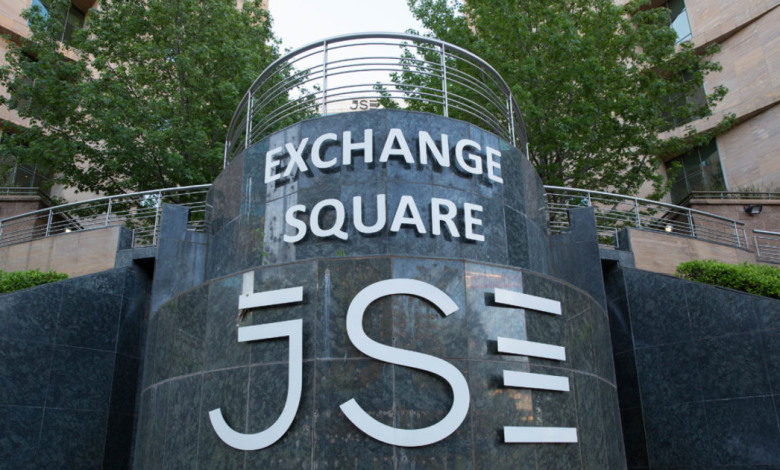
The JSE is Africa’s largest stock exchange, with a market capitalisation of more than $1.47 trillion as of early 2026, making it a key gateway for international investors seeking exposure to African markets.
Mining counters have carried much of the recent pain. The precious metals and mining sector, which accounts for roughly a quarter of the benchmark index, has dropped 13% since early March as gold and platinum prices retreated.
That matters beyond South Africa. The country remains a major global producer of platinum-group metals used in autos, industrial processes and hydrogen technology, while miners listed in Johannesburg also give investors exposure to gold, coal, iron ore and battery-linked minerals.
Ninety One said earnings expectations across the market had been relatively stable even as share prices weakened. Bloomberg data showed projected 12-month earnings per share for the FTSE/JSE All Share Index had fallen only about 4% since the start of the conflict.
The firm said it remained constructive on miners, banks and insurers, while being more cautious on consumer-facing companies such as discretionary retailers, which are more exposed to weak household spending and borrowing costs.
South Africa’s economy has faced sluggish growth, power supply constraints and high unemployment, but easing inflation and expectations for lower interest rates have improved sentiment toward domestic assets in recent months.
Separate market data showed South Africa’s main stock index was still up strongly from a year earlier, underlining how foreign investors continue to see value despite short-term volatility.
Ninety One said geopolitical shocks often create temporary mispricing opportunities for disciplined investors.
“These events are not enjoyable, but they do create opportunity,” Van den Berg told Bloomberg. “Our job is to take advantage of mispricing, within a disciplined framework.”
The bullish stance is not isolated. A recent Bank of America survey cited by Bloomberg found a net 81% of fund managers saw more buys than sells in South African equities, with half describing the market as undervalued.
For global investors seeking cheaper markets outside the United States and Europe, South Africa may again be moving into focus.