Editorial: Pollock gets political as the fish wars hit the campaign trail
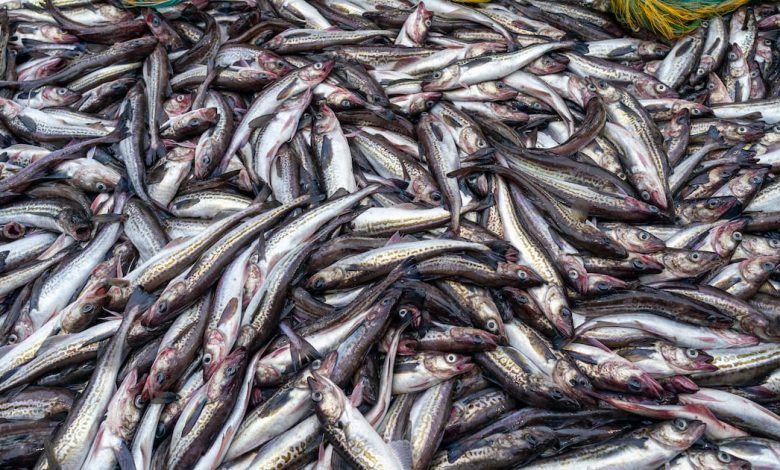
Alaska’s fish wars have entered the governor’s race.
Controversy around trawling — once the kind of inside-baseball skirmish that only fisheries scientists and coastal communities watched — is now campaign trail fodder. Like most culture war topics that make that jump, the nuance is getting hammered into something that fits neatly on a bumper sticker.
You’ve seen the tagline: “ban trawling.” It’s clean, it’s punchy and it’s easy to post in fewer than 140 characters. It’s even easier to campaign on, so much so that candidates across Alaska’s political spectrum are leaning into it. From conservative Republicans to Democrats, anti-trawl rhetoric is having a moment. Some candidates are pledging to reject campaign contributions from trawl-linked interests, while others are promising to reshape the North Pacific federal council that oversees the Bering Sea fleet. It’s a big, bold stance — one that sounds great in a Facebook post. Even the Alaska Legislature is picking at the scab, going so far as to consider banning trawling in state waters.
It’s also — and let’s be honest — low-hanging political fruit. Trawling is an easy villain because it’s industrial, it’s visible, and it involves big boats, big nets and, yes, big bycatch, which includes salmon. If you’re looking for something to shake a finger at when salmon runs are decreasing and rural river communities are hurting, it’s right there like a blinking neon sign. It’s an easy target but that doesn’t mean it’s an accurate target.
Real-world impacts
None of this is to say that trawling is harmless because it isn’t. Bycatch is a tangible, real-world impact just like trawling’s impact on fish habitats. User-group conflicts among subsistence, sport and commercial fisheries are very real. The pollock fishery in the Bering Sea has faced years of scrutiny over chinook and chum salmon bycatch, and rightly so. As such, federal managers have tightened caps and increased monitoring.
But turning trawling into the singular cause of Alaska’s salmon declines? That’s where this goes off the rails. The data — including from the Alaska Department of Fish and Game and federal researchers — paints a much more complicated picture.
Salmon returns across Alaska have been anything but stable. Yukon River king and chum runs, for example, have swung wildly over the decades — long before trawling became a political punching bag. The reality is that these ecosystems are incredibly complex and that while bycatch might be one factor, it’s far from the only factor. Ocean conditions, warming waters, changing food webs, shifts in freshwater habitats and international harvest pressures all play a role.
Even within the bycatch debate, the issue is more nuanced than campaign slogans posted on social media suggest. Genetic testing of salmon caught as bycatch in the Bering Sea shows that a significant portion do not originate from Western Alaska river systems at all — many come from Asian and Canadian stocks. That doesn’t make bycatch irrelevant, but it does complicate the narrative that every fish caught offshore is one less fish returning to Alaska rivers.
Again, it’s complicated. And complicated doesn’t win elections. Simple slogans do. “Ban trawling” fits on a bumper sticker. “Address multi-variable ecosystem decline influenced by ocean warming, international harvest and freshwater conditions” does not.
So here we are, watching a legitimate fisheries management issue get squeezed into campaign stump speeches that leave out most of the actual science.
If fisheries management decisions are made based on political stances rather than data, Alaska will trade one set of problems for another. The groundfish fisheries — including pollock — are a major economic engine. They support thousands of jobs, generate tens of millions in dollars and, through programs like Community Development Quotas, and send significant revenue back into Western Alaska communities — more than $70 million annually.
You don’t have to love trawling to recognize that economic reality.
Future harvests
So what happens if you “ban” it? That’s the part that tends to get a little fuzzy on the campaign trail. What replaces those jobs? What replaces that revenue? What happens to the communities that depend on those dollars? And how much does it actually move the needle on salmon recovery if the primary drivers are happening in the open ocean and a changing climate? Conveniently, candidates who espouse trawling bans don’t address those questions in their Instagram posts. As a voter, it’s important to see past these expedient and reductive political declarations.
None of this is an argument for the status quo. There is plenty of room and need for improvements, like better bycatch avoidance, closing impacted fisheries and instituting bigger caps on limits. Those are all real, actionable steps that need to be part of the conversation that a more rational candidate would discuss rather than opting to pit Alaskan against Alaskan — an unattractive move that benefits no one at the end of the fishing day.
But that’s a far cry from shuttering an entire economic sector because it’s a political scapegoat.
Critics of trawling are right about one thing: The stakes are incredibly high. Salmon are not just a resource in Alaska. They are culture, food security, identity and economy — especially in rural and Indigenous communities that have already borne the brunt of recent collapses.
The urgency is real but urgency doesn’t justify oversimplification, which is where we are today.
Alaska’s fisheries are too important — culturally, economically and politically — to be reduced to campaign slogans and social media battles. The fish wars may help win an election or two but they won’t fix what’s actually happening in the water.
If we keep arguing with a caricature of a villain instead of the full reality, we’re going to be right back here in a few years — still asking why the fish aren’t coming back.
Credit: Source link