3 reasons why bond yields could keep surging
-
Bond yields surged on Friday, with the 10-year bond approaching 4.6%.
-
The spike sent stocks tumbling on Friday, with the Dow falling more than 500 points.
-
Incoming Fed Chair Kevin Warsh’s stance on QE could add to rising rate pressures, Morningstar says.
Rising bond yields sparked a panic among investors on Friday, and there’s little standing in the way of a deeper bond-market rout, according Dominic Pappalardo, the chief multi-asset strategist at Morningstar Wealth.
Yields on 30-year Treasurys have surged above 5% in recent weeks, while rates on the 10-year have risen more than 20 basis points since the start of May to 4.59%. The spike sent stocks tumbling from records notched earlier in the week, with the Dow dropping more than 500 point and the Nasdaq and the S&P 500 losing more than 1%.
According to Pappalardo, three factors are driving the move, which he believes will remain in place to push yields even higher.
The first is the most obvious: investors are worried that surging oil prices driven by the US-Iran war will trigger another bout of inflation.
April’s CPI data showed a 3.8% jump in consumer prices year-over-year, the most since 2023, thanks in large part to rising energy costs.
The longer the war goes on and oil prices stay elevated, the more investors grow concerned that inflation will become entrenched. This causes bond investors to demand more compensation through higher yields.
Even if the Strait of Hormuz were fully reopened today, Pappalardo said it would take at least a couple of months to rebuild production infrastructure and have oil flows back to full capacity, meaning oil prices are set to stay elevated for the foreseeable future.
Second, higher rates from elevated oil prices create a knock-on effect in the Treasury market that can stimulate rates to rise further, Pappalardo said. Rising interest rates due to inflation fears US borrowing costs rise, which will spur the even more bond issuance to cover the government’s debt service. Increased bond supply, in turn, can translate into higher yields, creating a negative feedback loop of more borrowing and higher costs.
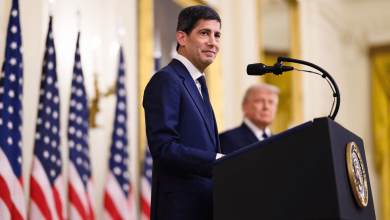
Third, adding fuel to the fire is incoming Federal Reserve Chair Kevin Warsh’s prior statements opposing the expansion of the Fed’s balance sheet, or its buying of assets. If the Fed stops buying Treasurys, it could send yields higher by removing a source of demand from the market.
“I definitely think yields could go higher, particularly on the long end,” Pappalardo told Business Insider on Friday. “It’s hard really to identify the catalyst that would cause yields to come down.”
He added: “5% would not be shocking to me on the 10-year.”
Pappalardo said that rising long-term yields would generally be bad for stocks — particularly growth stocks — as they weigh on the value of companies’ future earnings as investors compare them against a risk-free rate. Higher rates also mean companies need to issue debt at higher rates, increasing their borrowing costs.
“It hurts corporate fundamentals, it makes, future investment less likely, so it, it really just stifles growth in a variety of ways,” he said.
Still, at an index level, Pappalardo said it’s difficult to know how higher rates will impact the S&P 500, as the strength of the AI trade continues to fuel gains.
Read the original article on Business Insider