Warsh Takes Fed Helm, Markets Eye Rate Path
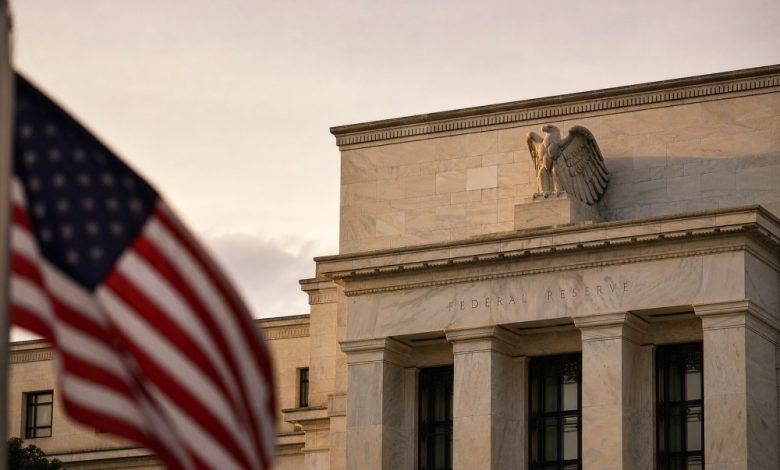
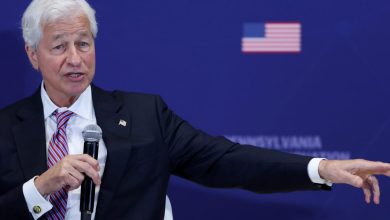
Gotrade News – Kevin Warsh was sworn in as Federal Reserve Chairman on May 22, replacing Jerome Powell. Markets are now repricing the rate path as bond yields climb sharply.
The leadership shift lands as US inflation hits 3.8%, the highest reading since 2023. Investors face a divided FOMC and a tense debate over the next policy move.
Key Takeaways
- Warsh replaced Powell on May 22, inheriting a Fed split on rate direction.
- Bond traders are betting on rate hikes, pushing the 2-year yield to 4.14%.
- The White House argues falling oil prices could still open the door to cuts.
According to Kompas, Warsh was nominated by President Trump in January 2026. Powell had led the central bank since 2018 across two administrations.
US inflation has climbed sharply from 2.4% in February to 3.8% today. The FOMC remains divided, with members disagreeing on whether to ease or tighten policy.
Bond Market Bets on Hikes
As reported by Bloomberg Technoz, bond investors are positioning for hikes rather than cuts. Markets now price the Fed to almost certainly begin raising rates in December.
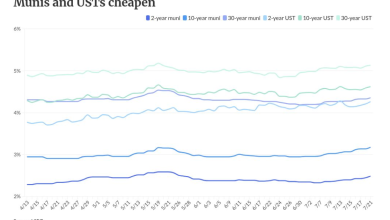
The 2-year Treasury yield surged to 4.14% Friday, its highest level in over a year. That sits roughly 40 basis points above the Fed’s current upper bound, signaling tighter expectations.
The 30-year yield touched 5.2% last week, a level last seen in 2007 before retreating to 5.06%. Long-duration assets such as the 20 Yr Treasury ETF (TLT) reflect this pressure on bond prices.
Three forces have shifted sentiment toward higher rates. The Middle East conflict triggered the largest inflation spike since 2023, the US economy remains strong, and AI investment flows continue.
Per Bloomberg Technoz, Warsh may prioritize defending the Fed’s inflation-fighting credibility. That stance would reinforce expectations of a more hawkish bias under his leadership.
White House Sees Room to Cut
The White House offered a contrasting view focused on energy prices and diplomacy. According to Bloomberg Technoz, US-Iran peace talks could clear a path for cuts.
Kevin Hassett, chair of the National Economic Council, said falling oil prices would create room for easing. He noted energy prices would drop immediately once an agreement is reached.
Hassett added that lower energy costs would give the Fed room to lower rates. Trump posted that negotiations with Iran are progressing regularly and constructively.
Hassett also praised Warsh and emphasized central bank independence. Trump publicly told Warsh to remain completely independent, easing concerns about political pressure.
For equity investors, the path matters for risk assets like the S&P 500 ETF (SPY). Higher rates would pressure valuations, while cuts would support broad-based gains.
Bank stocks like JPMorgan Chase (JPM) sit at the center of this rate debate. Net interest margins and loan demand depend heavily on the Fed’s eventual policy choice this year.
Investors should watch upcoming FOMC commentary and oil price moves closely. The next several weeks will likely set the tone for global markets and emerging market currencies.