Stocks Rise Toward Record as Iran Peace Hopes Hold: Markets Wrap
(Bloomberg) — Wall Street kicked off the holiday-shortened week with stocks joining bonds higher as hopes for a peace deal between the US and Iran overshadowed military strikes in the Persian Gulf.
Most Read from Bloomberg
Expectations of an agreement drove the S&P 500 toward a record, with chipmakers leading the charge. Treasury yields fell as concerns over a flare-up in inflation eased, making traders pare back their wagers on near-term Federal Reserve rate hikes. The latest Middle East developments left the oil market volatile. Brent rose to around $100 after sinking more than 7% Monday.
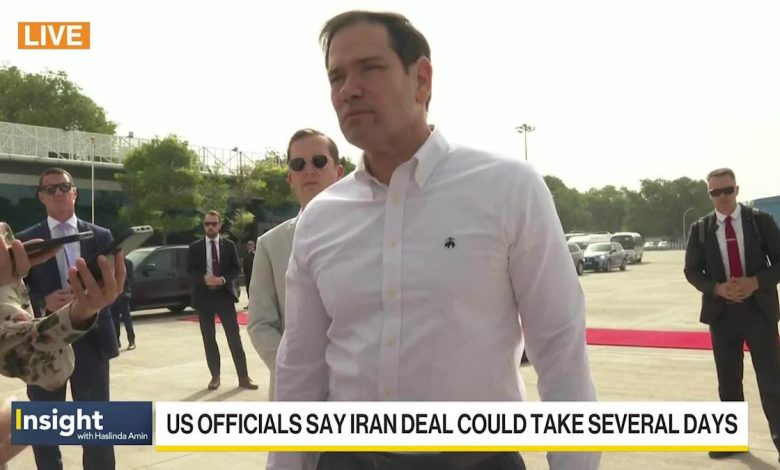
The US is touting progress toward a deal to end the nearly three-month war, with President Donald Trump saying talks to extend a ceasefire and reopen the Strait of Hormuz are proceeding. Secretary of State Marco Rubio cautioned that any accord would likely take a few days to finalize.
Security in the energy waterway remained unclear after the two sides exchanged strikes overnight and US Central Command pushed back on reports that suggested the military was helping escort vessels.
“Market participants are placing their bets on peace and subsequently buying into very strong equity fundamentals,” said Kyle Rodda at Capital.com.
“While we’d like to share the optimism, there have been enough setbacks in the process of crafting an agreement between Washington and Tehran that we’ll remain cautious until there is more tangible progress,” said Ian Lyngen at BMO Capital Markets.
Traders shouldn’t expect a deal to immediately send the S&P 500 running to 8,000, but the reality is that removing distractions would allow investors to focus on earnings and growth, boosting the market potential, according to Tom Essaye at The Sevens Report. The gauge traded slightly above 7,500.
“Just because a ceasefire isn’t an immediate catalyst, it will still be a steady positive influence on stocks and bonds — as long as growth stays solid and inflation doesn’t spike,” he added.
On the economic front, data showed US consumer confidence edged down in May as views of current economic conditions settled back amid rising prices due to the war. The Conference Board’s gauge fell to 93.1 after an upward revision to the prior month. The median economist estimate was 92.