Iran and US negotiate framework deal to end war, with crypto caught in the crossfire
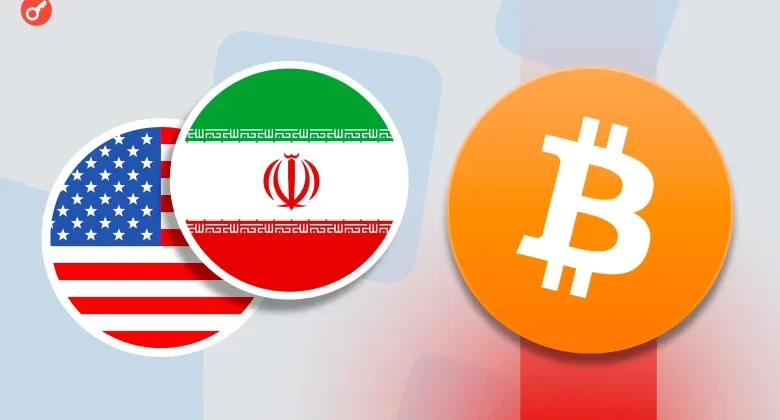
The US and Iran are moving toward a framework agreement that would end hostilities, lift sanctions, reopen the Strait of Hormuz, and tackle Iran’s nuclear and ballistic missile programs.
The Strait of Hormuz is the choke point through which roughly 20% of the world’s seaborne oil flows. Reopening it sits at the center of these negotiations, alongside the thornier question of what Iran does with its enrichment capabilities.
A phased approach to an ancient standoff
The structure taking shape appears to be phased. Ceasefire terms and Hormuz transit come first. The deeper nuclear discussions get deferred to later rounds.
This is roughly the same sequencing problem that plagued the JCPOA, the 2015 nuclear deal that expired in October 2025 following what’s been called the Twelve-Day War declaration by Iran. US envoys Steve Witkoff and Jared Kushner are actively involved, and Pakistani diplomats have served as intermediaries.
Bitcoin rallies on diplomacy
Positive signals from the negotiations pushed Bitcoin to levels between $77,000 and $82,000 in May 2026. Crypto, which trades 24/7 and reacts to headlines faster than traditional markets, tends to move first.
Prediction markets have also lit up around the talks. Trading volumes on Polymarket show high interest and active speculation on negotiation outcomes, with bettors effectively putting money on whether a deal materializes, collapses, or stalls somewhere in between.
Iran’s crypto playbook: tolls, stablecoins, and sanctions evasion
Since at least March 2026, Iran has been accepting Bitcoin and stablecoins as payment for transit tolls through the Strait of Hormuz. The fee structure reportedly works out to about $1 per barrel, which can total up to $2 million per vessel during ceasefire windows.
The US Treasury has not been passive about this. Authorities have seized Iranian-linked digital assets valued between $344 million and $500 million amid the negotiations.
What this means for crypto investors
Iran’s use of crypto for sanctions evasion is exactly the kind of activity that gives ammunition to lawmakers pushing for stricter oversight of digital assets. The $344 million to $500 million in seized assets is a number that will show up in congressional hearings and influence how the next round of crypto legislation gets written.
For now, the phased approach gives markets something to price incrementally. Each milestone, whether it’s a formal ceasefire, a Hormuz reopening agreement, or progress on nuclear terms, becomes a potential catalyst. Traders who are positioning around these events should pay as much attention to State Department briefings as they do to on-chain data.