Viasat (VSAT) Q4 Profitability Rebound Tests Longstanding Bearish Earnings Narratives

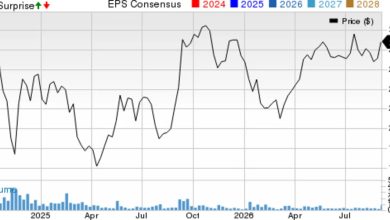
Viasat (VSAT) closed FY 2026 with fourth quarter revenue of US$1.2b and basic EPS of US$0.41, on net income of US$58.8m, putting a solid headline on its latest results. Over recent periods, quarterly revenue has held in a tight band between US$1.1b and US$1.2b. EPS has swung from losses of US$0.43 to US$0.45 per share earlier in the year to positive readings of US$0.18 and now US$0.41, signaling a quarter where profit margins finally moved in the right direction.
See our full analysis for Viasat.
With the numbers on the table, the next step is to see how this earnings profile lines up with the dominant narratives around Viasat, and where the data starts to challenge those stories.
See what the community is saying about Viasat
TTM loss of US$34m despite stronger Q4
- Across the last twelve months, Viasat recorded total revenue of US$4.6b and a net loss of US$34.1m, even though Q4 on its own produced net income of US$58.8m on US$1.2b of revenue.
- What stands out for the bullish narrative is that bulls are looking for higher free cash flow as satellites and integration mature. Trailing data still shows modest 4.1% annual revenue growth and an unprofitable TTM, which makes the recent Q4 profit only a small offset to earlier losses.
- Bullish arguments around potential future margin expansion are being weighed against five years of widening losses, which were described as increasing about 26.9% per year.
- Bulls point to new broadband, defense and government opportunities, but the current TTM result still shows a loss rather than the earnings base those arguments lean on.
Bulls argue that the latest profitable quarter could be the early sign of a stronger earnings story. The TTM figures, however, show how much work is still left before that view is clearly supported by the numbers, so it can be useful to see how bullish and balanced narratives compare side by side 🐂 Viasat Bull Case
Q4 profit contrasts with 5 year loss trend
- Quarterly net income swung from a loss of US$61.4m in Q2 FY 2026 to a profit of US$58.8m in Q4, while the longer five year track record cited shows losses growing around 26.9% per year.
- Bears focus on that longer loss trend and argue that heavy investment and competition will keep pressure on earnings. The quarterly path in FY 2026 leaves room for that concern because the two earlier quarters reported losses and only the back half of the year showed EPS turning from a loss of US$0.45 per share in Q2 to a gain of US$0.41 in Q4.
- Critics highlight that even with this Q4 turnaround, TTM EPS is still a loss of US$0.25, which fits the view that one strong quarter has not yet changed the overall earnings profile.
- Forecasts in the risk summary also point to an average 32% annual decline in earnings over the next three years, aligning with the bearish concern that recent profitability might not be sustained.
Skeptics point out that a single profitable quarter does not erase years of widening losses, which is exactly the tension the bearish case focuses on 🐻 Viasat Bear Case
Unprofitable today, but priced below DCF fair value
- The company remains unprofitable on a TTM basis while trading at a P/S of 2.4x, below the US Communications industry average of 2.8x, and below the cited DCF fair value of US$96.00 per share compared with the current share price of US$80.62.
- Consensus-style commentary in the analysis points to mixed signals because modest 4.1% revenue growth and ongoing losses sit alongside what is flagged as relative value. This means the data set is balancing weaker profitability and earnings forecasts against a discount to DCF fair value and a lower P/S than peers.
- The reference to the stock being about 16% below DCF fair value is based on those inputs, and it sits alongside the expectation that earnings are not projected to turn positive over the next three years.
- This combination, where forecasts call for continued losses yet the stock trades at a lower multiple than peers, is what investors often watch closely when weighing downside earnings risk against potential valuation upside.
Next Steps
To see how these results tie into long-term growth, risks, and valuation, check out the full range of community narratives for Viasat on Simply Wall St. Add the company to your watchlist or portfolio so you’ll be alerted when the story evolves.
If this mix of risks and rewards appears finely balanced, consider reviewing the figures yourself and forming your own view with 2 key rewards and 2 important warning signs
See What Else Is Out There
Viasat still reports a TTM loss of US$34.1m, a TTM EPS loss of US$0.25 and forecasts indicating declining earnings over the next three years.
If you are uneasy about ongoing losses and profit volatility, you may want to focus on companies with steadier return profiles by checking out 62 resilient stocks with low risk scores
This article by Simply Wall St is general in nature. We provide commentary based on historical data
and analyst forecasts only using an unbiased methodology and our articles are not intended to be financial advice. It does not constitute a recommendation to buy or sell any stock, and does not take account of your objectives, or your
financial situation. We aim to bring you long-term focused analysis driven by fundamental data.
Note that our analysis may not factor in the latest price-sensitive company announcements or qualitative material.
Simply Wall St has no position in any stocks mentioned.
New: Manage All Your Stock Portfolios in One Place
We’ve created the ultimate portfolio companion for stock investors, and it’s free.
• Connect an unlimited number of Portfolios and see your total in one currency
• Be alerted to new Warning Signs or Risks via email or mobile
• Track the Fair Value of your stocks
Have feedback on this article? Concerned about the content? Get in touch with us directly. Alternatively, email editorial-team@simplywallst.com