Chevron’s Earnings Dropped Year Over Year, but Production Surged. Here’s What Investors Need to Know.
Chevron (NYSE: CVX) reported first-quarter 2026 adjusted earnings of $1.41 per share. That figure is materially lower than the $2.18 it earned in the year-ago period, which sounds really bad. Especially when you see that the company’s realized oil price rose just over 6.5% year over year. There’s a lot going on under the covers here, and much of it is positive.
Timing was a problem for Chevron
Chevron is one of the world’s largest energy companies. It has operations around the world, produces oil and natural gas, and operates across the entire energy value chain, from the upstream (energy production) to the midstream (pipelines) to the downstream (chemicals and refining). It is a very complex business, and one important piece is hedging. But hedging activities don’t always align well with quarterly earnings.
Missed Nvidia in 2009? This Rare Signal Is Flashing Again. In 2009, a “Double Down” signal flashed for a little-known chipmaker called Nvidia. For the first time in years, that same “Total Conviction” signal is flashing for a company 1/100th the size of Nvidia. Continue »
In the first quarter, Chevron’s earnings were unfavorably impacted by its hedging efforts to the tune of $2.9 billion. That hit should reverse itself in future quarters, but the near-term impact is that it may have made the company’s first quarter look worse than it really was.
In fact, the company’s production rose in the quarter, which is a good sign. Part of that came from its acquisition of Hess, but another important story was the company’s one million barrels per day of production in the Permian Basin. That was the fifth quarter in a row that production exceeded one million barrels. Management is focusing on generating robust cash flow from the region, but believes it could increase production there if it wanted to.
Given the ongoing integration of Hess and the production boost it brings, leaning into the Premian wasn’t a key priority. Still, year-over-year production jumped a huge 15% globally and 24% in the U.S. market. In other words, Chevron was able to grow its business despite the conflict in the Middle East. And there could be more room for growth even if the conflict lingers beyond the point when Hess is fully accounted for in the production numbers.
News flow is driving the stock, but not the business
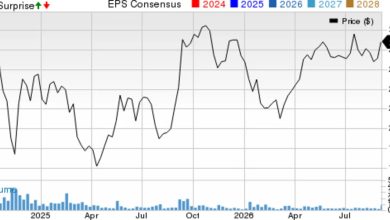
The big story in the energy patch is clearly the geopolitical conflict in the Middle East. Given its near-term impact on oil prices, it makes sense. Chevron’s stock price has benefited. However, Chevron thinks in decades when it makes decisions. Chevron’s business is being affected by events in the Middle East, and investors should be aware of that. But the company’s strong production growth is a sign that management is looking beyond today’s turmoil, and you may want to do the same.