Experts Believe “SpaceX’s IPO Is a Bet Gravity Doesn’t Apply to Elon Musk.” Here’s the Truth.
Analysts aren’t too hot on the upcoming SpaceX IPO. “SpaceX’s IPO Is a Bet Gravity Doesn’t Apply to Elon Musk” reads the headline of one Wall Street Journal report. The warnings of that report should have every investor who’s curious about the IPO stock reconsidering their interest.
“The SpaceX IPO filing is full of so many red flags that it would have scuttled other launches,” the report concludes. “But the laws of gravity don’t apply here, in part because of years of work by Elon Musk to build his business empire with the eager assistance of everyday investors. He’s tapped into a collective social-media psyche that runs on vibes and enthusiasm and hope for a better future that he has become so masterful at selling.”
Missed Nvidia in 2009? This Rare Signal Is Flashing Again. In 2009, a “Double Down” signal flashed for a little-known chipmaker called Nvidia. For the first time in years, that same “Total Conviction” signal is flashing for a company 1/100th the size of Nvidia. Continue »
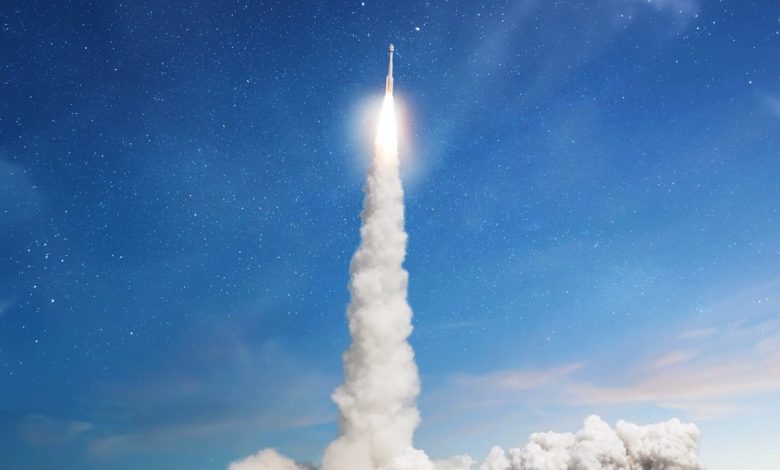
These warnings come after a successful test launch of SpaceX’s Starship megarocket last week — a critical proof point of SpaceX’s ability to execute on key growth initiatives, which include everything from orbital data centers to a permanent human base on the moon.
What is the truth, exactly? Is the SpaceX IPO — which reports suggest will seek a valuation between $1.5 trillion and $2 trillion — aggressively overhyped? Or is it an opportunity to buy into a revolutionary business with unprecedented growth opportunities?
Here’s the truth behind the SpaceX IPO
Looking at the historical numbers, there’s no way the SpaceX IPO is justified at the targeted valuations. Last year, the company generated less than $20 billion in revenue, failing to turn a profit. Paying 75 to 100 times sales for a money-losing business valued at or above $1.5 trillion is a tough pill to swallow.
But the investment thesis for SpaceX has little to do with historical figures. The company wants to target growth opportunities that, while huge in potential, are simply hard to quantify. That’s because no company in history has ever been close to making these growth opportunities a reality.
Orbital data centers, for example, face critical physics challenges. A human base on the moon, meanwhile, is highly speculative when it comes to revenue-generating opportunities. Even a global cell service powered by SpaceX’s Starlink satellite network, while valuable on paper, has simply never been tried before at scale. Though, SpaceX does value the Starlink Mobile opportunity at a whopping $740 billion on its own.