Pinnacle Silver & Gold begins drilling at El Potrero – ICYMI
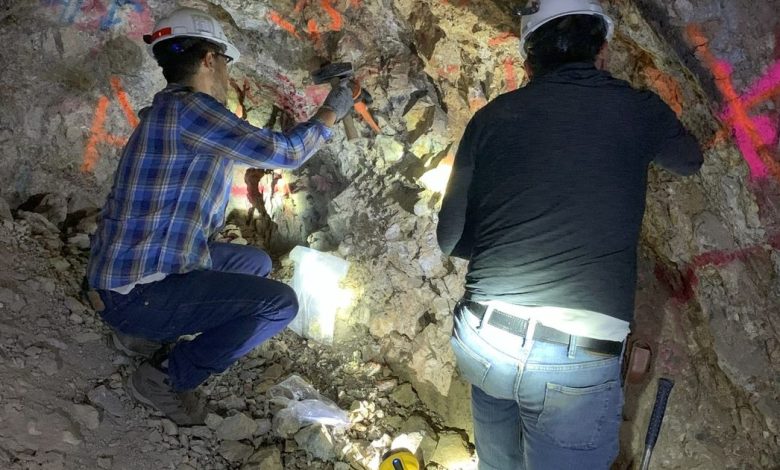
Pinnacle Silver & Gold Corp (TSX-V:PINN, OTCQB:PSGCF) CEO Robert Archer talked with Proactive about the company’s first drill program at the El Potrero project in Mexico, a unique initiative starting with underground drilling rather than surface work.
Archer explained that the underground access available at El Potrero, due to historic mining that ceased 35 years ago, gives the company immediate access to mineralized zones.
However, he pointed out the current workings are limited in extent, and only sampling what’s visible on the walls and ceilings leaves uncertainty about the broader potential.
Proactive: You’re about to start Pinnacle’s first drill program at El Potrero. And it’s underground rather than surface drilling. Why is that significant? And what does it tell investors about the stage of this project?
Robert Archer: Yeah. Hi. Great to be back on the show. It is quite unusual for a first program on a project to be underground. Many projects don’t have underground access like we do, so that’s been quite significant. Because of previous activity there — it was in production 35 years ago — we have underground workings that provide access right into the mineralized zone. However, those workings are somewhat limited in extent. You can only sample what’s exposed on the walls and maybe the ceiling, so we don’t know what lies beyond. That’s where the drilling comes into play — to understand size, grade distribution, and the shape of the mineralized zones.
Sampling so far has returned very high gold and silver grades. What’s the key question this drilling is designed to answer that sampling can’t?
It’s really about the extent of the mineralization. We’ve seen some grade variability. I don’t want to use the word nugget effect — we’re not seeing coarse gold — but the mineralization is within a breccia zone, which tends to be inconsistent in texture and content. So, we’re trying to understand the grade distribution better. That helps with future mining because you want to blend high and low grades for a consistent feed to the plant. So it’s all about grade distribution and understanding the size and shape of the mineralized zones — things the existing workings can’t tell us.
You’ve described this as more delineation than exploration drilling. What would a successful outcome from the 12-hole program look like in practical terms?
It should delineate the three zones that we know of within the three mines. That said, we don’t know what lies between those mines — there’s about 120 metres between two of them, and another 150 metres left unexplored on the other side. Those gaps will need to be drilled from surface. But the underground drilling should give us enough of an understanding to start putting together a preliminary mine plan — including head grade and our technical and mining approach.
And once the program’s complete, what are the next technical and corporate milestones investors should be watching as we head into 2026?
The surface drill program will follow the underground one. That will focus more on exploration, targeting new zones between existing workings and veins like El Capulin and La Estrella, which have never been drilled before. Neither has Dos de Mayo. These are new veins that we know have mineralization — we’ve sampled them at surface — but we need to determine extent, continuity, and grade.
Quotes have been lightly edited for style and clarity