ET Alpha Wealth Summit | Wealthy Indians are quietly shifting money into gold, global stocks and AI infrastructure; Rajesh Saluja explains why
“Resilient, not return-maximizing” portfolios are the new goal
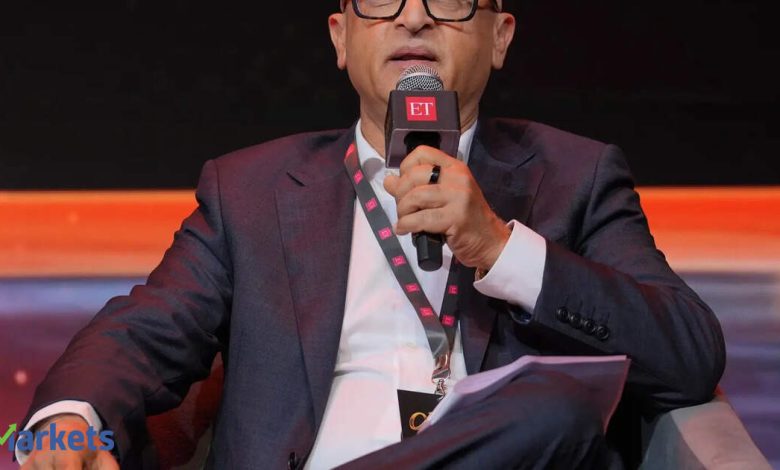
Rajesh Saluja, Co-Founder, CEO & MD of ASK Private Wealth, told the audience that decades of market shocks, from the Asian crisis to the pandemic, have taught wealthy investors one lesson: chasing the highest possible returns is a losing game. Instead, the focus has shifted to building portfolios that can absorb shocks without falling apart.
His three guiding principles for protecting wealth in turbulent times:
- Diversify across asset classes and geographies, don’t let a portfolio become overly dependent on one country or one type of investment.
- Prioritize credit quality over chasing yield, reaching for unusually high fixed-income returns often means taking on hidden risks that can erode capital.
- Manage behavior, not the market, discipline and temperament matter more than trying to time market swings.
He also flagged a growing danger: FOMO-driven investing into pre-IPO private deals, many of which come with very little transparency. Saluja cautioned that investors are getting overexposed to these high-risk private transactions simply because public markets have been choppy.
Where the smart money is actually going
So what does a “resilient” portfolio look like in practice? According to Saluja, several clear trends are emerging among high-net-worth investors:
Global diversification is now standard practice. Most client portfolios now carry 10–15% exposure to international developed and emerging markets, spreading risk beyond India alone.
Gold is back in a big way. With central banks purchasing more than 1,000 tonnes of gold annually over the past three years, the metal is increasingly viewed as a hedge against inflation and a weakening dollar – and it’s earning a permanent spot in portfolios via ETFs and mutual funds.
Yield-focused, not duration-focused, fixed income. REITs, InvITs and private credit have surged in popularity as investors look for steady income without betting on long-duration interest rate calls.
Thematic plays around AI, defence and climate are drawing significant interest -three themes the panel described as defining the coming decade.
The real opportunity: AI infrastructure, not AI models
One of the most striking insights from the discussion was around artificial intelligence. While India may have missed the race to build its own large language models, Saluja argued the bigger prize lies in AI infrastructure, particularly data centers.
He pointed to a wave of capacity expansion following security incidents that disrupted data centers in the Middle East, which has pushed global tech giants to direct massive contracts toward Indian operators. Some companies, he noted, have already secured multi-year deals for hundreds of megawatts of capacity from major technology firms, a sign that “data is the new king” isn’t just a slogan but a real investment theme backed by India’s renewable energy buildout, which is targeting a jump from roughly 200 gigawatts to 500 gigawatts of capacity by 2031.
The takeaway
The panel’s message was clear: in an environment where geopolitical shocks are the rule rather than the exception, wealth preservation depends less on predicting the next crisis and more on disciplined diversification, across asset classes, geographies, and emerging themes like energy, data infrastructure, and gold.