SpaceX Shares Fall 7% After Post-IPO Rally Fades
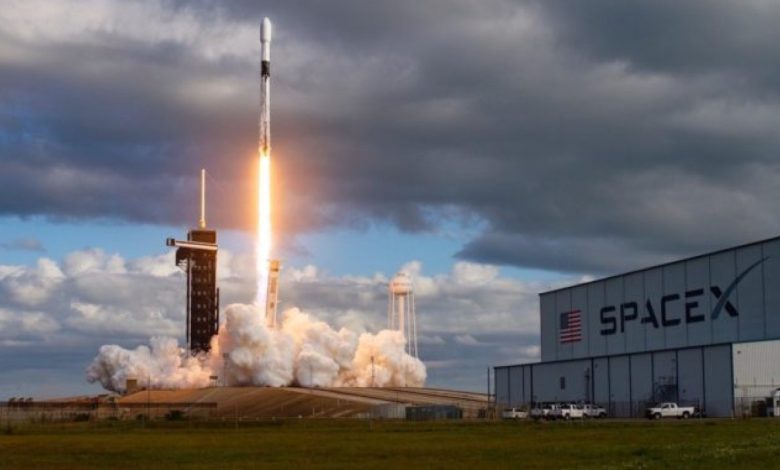
Shares of SpaceX fell 7% on June 19, extending a two-day decline that followed a strong post-IPO rally. The move came after the stock’s initial surge pushed its valuation above several major U.S. technology companies before a subsequent pullback erased part of those gains. The company priced its initial public offering at US$135 per share, and shares had risen more than 40% from the IPO level before the recent losses.
By midweek, SpaceX’s market capitalization had settled at approximately US$2.52 trillion, placing it close to Amazon in valuation rankings. At its peak earlier in the week, the company briefly surpassed Amazon and, for a short period, Microsoft, making it one of the most highly valued publicly traded companies. The IPO raised US$75 billion, marking one of the largest listings on record.
The volatility followed a rapid reassessment by investors balancing growth expectations against financial performance. Analysts said the early trading pattern reflected momentum-driven buying after the IPO, followed by profit-taking as valuation concerns increased. Peter Boockvar, chief investment officer at One Point BFG Wealth Partners, said investors were focused more on market sentiment than fundamentals.
“They are trading the story, they are trading the action, they are trading the excitement, they are trading Elon Musk,” he said. “At some point, the rubber meets the road in terms of the fundamentals having to match up with that excitement.”
SpaceX reported US$18.7 billion in revenue but posted a net loss of US$4.9 billion. Losses continued into 2026, with an additional US$4.28 billion reported in the first quarter. The company’s financial profile contrasts with established large-cap technology firms that generate consistent profits, adding to debate over its valuation trajectory following the IPO.
The company’s leadership structure also remains highly concentrated. Elon Musk holds more than 82% of voting power, giving him near-total control over corporate decisions while serving as chairman, chief executive, and chief technology officer. Investors who entered through the IPO therefore have limited governance influence relative to controlling shareholders.
On Wednesday, SpaceX appointed Roelof Botha as an independent director, including a seat on the audit committee. The company said his experience spans multiple public company boards and audit roles, noting his prior work at PayPal, where he worked in the finance division during Musk’s tenure.
Market expectations have increasingly centered on SpaceX’s expansion beyond launch services and satellite connectivity into artificial intelligence infrastructure. Musk stated on social media that the company “might be able to reach approximately” US$1 trillion in annual revenue by 2030. Investor sentiment has been supported by speculation that SpaceX’s satellite network and data infrastructure could play a role in AI deployment.
The company’s valuation gains have also been supported by strategic positioning in AI-related services and software. SpaceX recently announced plans to acquire AI coding platform Cursor in a deal valued at US$60 billion, expected to close in the third quarter. The acquisition would expand its software capabilities and integrate AI tools used for coding and system development.
Industry analysts said the IPO and subsequent volatility reflect broader market trends in which investors are repricing infrastructure companies linked to artificial intelligence. UBS described the shift as part of a broader expansion of AI-related investment beyond software models into hardware, energy systems, and data infrastructure.
Goldman Sachs estimates that global investment in AI infrastructure could reach US$7.6 trillion between 2026 and 2031. The forecast includes spending on computing capacity, data centers, and power systems, while also warning of constraints such as electricity availability, chip cycles, and construction capacity.