Gold price decline cools secondhand Rolex market
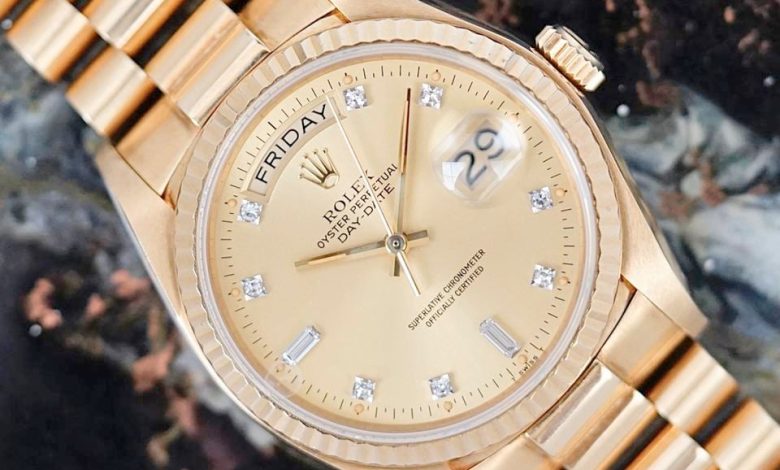
The trend marks a reversal from last year, when rising bullion prices boosted the value of precious metal watches and helped fuel demand for gold-cased luxury timepieces.
Among the models seeing the sharpest decline is the yellow-gold Rolex Daytona Oysterflex, whose secondary market price has fallen about four percent since April. Analysts say the movement highlights the growing relationship between commodity prices and the resale value of premium mechanical watches.
Luxury watchmakers have repeatedly adjusted retail prices in recent years to offset higher precious metal costs. As manufacturers raised prices, values in the pre-owned market also climbed.
With gold prices now easing, resale values have started to soften, particularly for models that are more widely available or less sought after by collectors.
The broader market, however, remains resilient at the high end.
According to the Bloomberg index, several highly coveted Rolex and Patek Philippe references continue to appreciate despite the overall slowdown, underscoring the importance of rarity, collector demand and limited supply over raw material costs alone.
The divergence reflects a changing luxury watch market, where flagship models continue to command premiums while more common references have become increasingly sensitive to fluctuations in gold prices, consumer confidence and broader economic conditions.
For buyers, analysts say the current environment could present one of the best opportunities in recent years to acquire a pre-owned gold Rolex below the peak prices seen during the height of the precious metals rally.
The shift also signals a broader normalization of the luxury watch market following the extraordinary boom during and after the pandemic, when supply shortages, heightened demand and rising asset values drove unprecedented price appreciation across collectible timepieces.
While gold remains an important pricing factor for precious metal watches, industry observers say long-term value continues to depend primarily on brand reputation, rarity, condition and collector appeal, particularly for flagship models from Rolex, Patek Philippe and Audemars Piguet.
For technology enthusiasts, luxury mechanical watches remain a unique segment of wearable technology — combining precision engineering, advanced materials and centuries-old mechanical innovation. As market conditions normalize, buyers may find greater negotiating power and a wider selection of premium timepieces without sacrificing the craftsmanship that defines high-end horology.