Trump Urges Senate to Pass Landmark Crypto Legislation

Written by Emily J. Thompson, Senior Investment Analyst
Source: Yahoo Finance
Updated: 20 minutes ago
0mins
Source: Yahoo Finance
- Legislative Background: Trump is urging the Senate to pass the Clarity Act via social media, which aims to provide a clear policy framework for the crypto industry, particularly clarifying the CFTC’s oversight of crypto-spot markets, thereby enhancing market transparency and compliance.
- Stablecoin Provisions: The bill includes significant stablecoin language that allows yield to be paid on specific activities or transactions while prohibiting it on idle stablecoins, a measure designed to protect bank deposits and prevent capital flight, ensuring financial stability.
- Passage Likelihood: According to Kalshi, there is a 73% chance of the Senate voting on the Clarity Act before the August recess; however, the tight majority in the Senate requires seven Democrats’ support, posing challenges for passage, especially with the time pressure before the midterm elections.
- Legislative Hurdles: Although the bill is viewed as bipartisan, concerns from various Senators regarding provisions to prevent Congress members from profiting from crypto and the extent of criminal investigations into crypto-related matters could hinder the bill’s smooth passage.
Trade with 70% Backtested Accuracy
Analyst Views on NVDA
Wall Street analysts forecast NVDA stock price to rise
Wall Street analysts forecast NVDA stock price to rise
Current: 207.400
Current: 207.400

About NVDA
NVIDIA Corporation is an artificial intelligence (AI) infrastructure company. The Company is engaged in accelerated computing to help solve the challenging computational problems. Its segments include Compute & Networking and Graphics. The Compute & Networking segment includes its Data Center accelerated computing and networking platforms and AI solutions and software, and automotive platforms and autonomous and electric vehicle solutions, including software. The Graphics segment includes GeForce GPUs for gaming and personal computers (PCs), and Quadro/NVIDIA RTX GPUs for enterprise workstation graphics. Its technology stack includes the foundational NVIDIA CUDA development platform that runs on all NVIDIA GPUs, as well as hundreds of domain-specific software libraries, frameworks, algorithms, software development kits (SDKs), and application programming interfaces (APIs). Its platforms address four markets, which include Data Center, Gaming, Professional Visualization, and Automotive.
About the author

Emily J. Thompson
Emily J. Thompson, a Chartered Financial Analyst (CFA) with 12 years in investment research, graduated with honors from the Wharton School. Specializing in industrial and technology stocks, she provides in-depth analysis for Intellectia’s earnings and market brief reports.
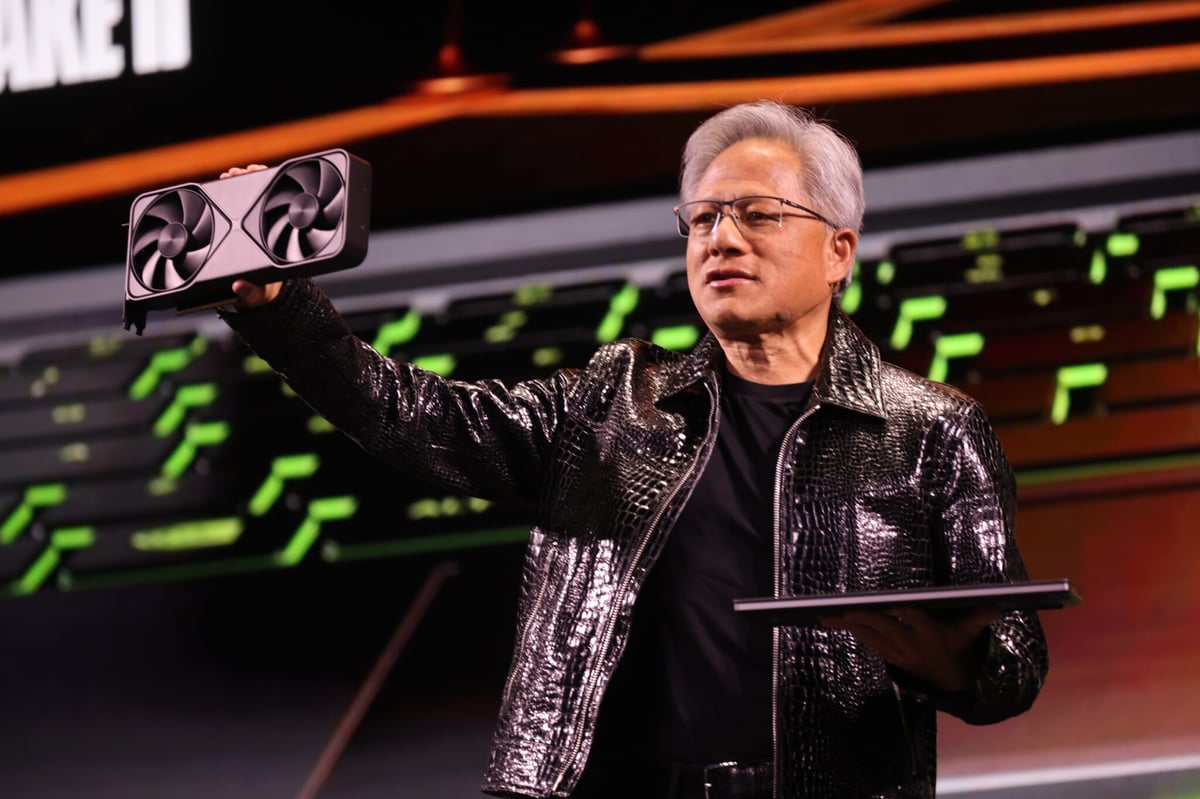
Nvidia Partners with Japan to Build AI Infrastructure

1 day agoFool
- AI Infrastructure Development: Japan has announced a purchase of 27,500 Nvidia chips to establish a computing hub expected to launch in 2028, which will enhance the country’s capabilities in blending AI with robotics and securing its national intelligence.
- Market Growth Potential: According to Fortune Business Insights, Japan’s AI market is projected to grow from $15.6 billion in 2025 to $123.9 billion by 2032, indicating significant growth potential that could attract investor interest.
- ETF Investment Opportunities: For retail investors looking to tap into Japan’s AI market, the Global X Robotics and Artificial Intelligence ETF (BOTZ) stands out, holding stakes in several Japanese companies, with Keyence accounting for 9.6% of its net assets, focusing on automation products.
- Long-Term Gain Potential: Although BOTZ has shown mediocre performance with just a 9% increase over the past 12 months, if Japan’s investments in AI and robotics are substantial enough, BOTZ could outperform in the coming years.

Warren Buffett Accelerates Disposal of Berkshire Shares
1 day agoYahoo Finance
- Share Disposal Plan: Buffett aims to gradually dispose of approximately 188,000 Class A and 1,100 Class B Berkshire shares over the next eight years, which is expected to have profound implications for his personal wealth and corporate governance.
- Charitable Donation Changes: The remaining shares will be donated to four foundations, three of which are managed by his children, and one dedicated to his late wife, Susan Thompson Buffett, reflecting his commitment to family and philanthropy.
- Skipping Donation to Gates Foundation: Buffett has decided to skip his annual donation to the Gates Foundation due to Bill Gates’ interactions with disgraced financier Jeffrey Epstein, indicating his concern for transparency in charitable organizations.
- Market Reaction and Investment Advice: While Buffett’s disposal plan garners attention, analysts note that Berkshire is not included in the current list of top investment stocks, suggesting investors should carefully assess its future performance.

Volatility in AI Stocks and Investment Outlook


2 hours agoFool
- Optimistic AI Market Outlook: Despite forecasts that the AI market will exceed $3 trillion by the next decade, companies like TSMC and ASML reported earnings that surpassed expectations, indicating strong customer demand; however, their stock prices fell due to market uncertainties, reflecting investor caution towards high-risk stocks.
- Shift in Investor Sentiment: Factors such as conflict in Iran and rising prices in the U.S. have prompted investors to rotate into safer companies like pharmaceuticals, even as the potential for AI technology remains vast, with concerns about the nearly $700 billion spending on AI infrastructure.
- TSMC’s Major Investment: TSMC announced an additional $100 billion investment in Arizona to expand operations, demonstrating confidence in future demand, yet overall stock prices declined due to market volatility, highlighting a disconnect between short-term market reactions and company fundamentals.
- Long-Term Investment Strategy: While AI stocks face short-term fluctuations, investors should focus on the long-term potential of individual stocks, seeking undervalued quality tech stocks to achieve long-term gains, emphasizing the importance of holding AI-related stocks in a diversified portfolio.
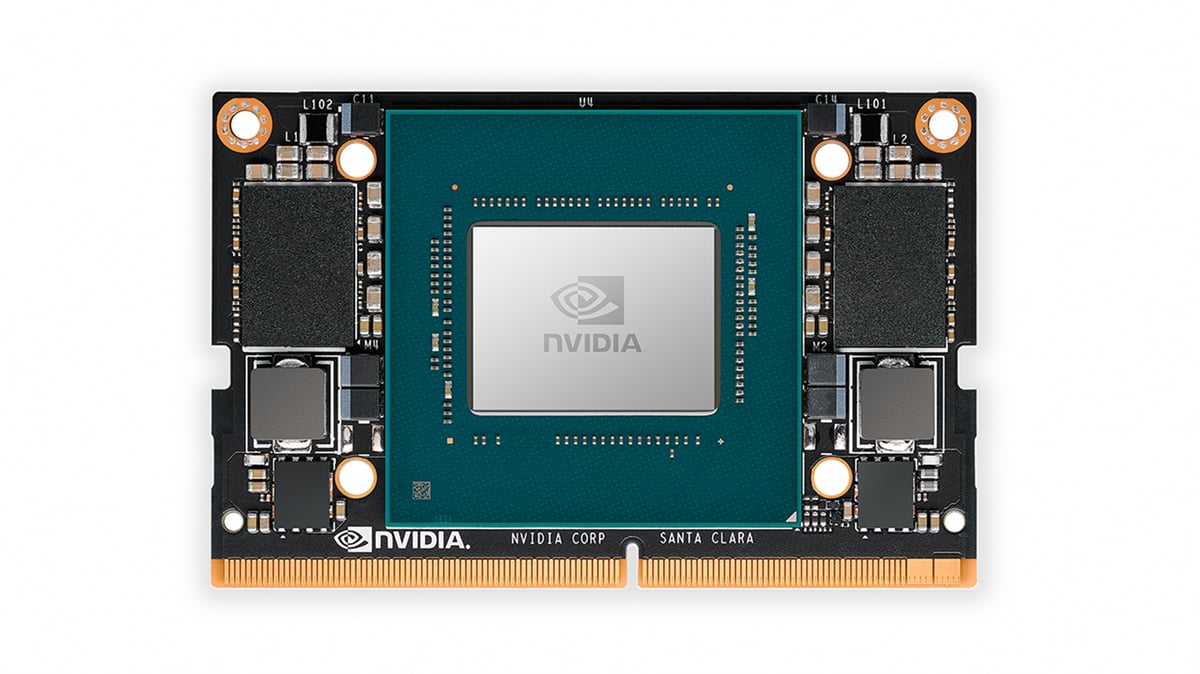
Nvidia Reports 85% Revenue Growth in Q1 2027

2 hours agoFool
- Accelerating Revenue Growth: Nvidia reported an 85% year-over-year revenue increase in Q1 2027, with expectations for a staggering 96% growth in Q2 and an annual forecast of 82%, highlighting the company’s robust performance and growth potential in the AI market.
- Market Dominance: Nvidia holds an 80% to 90% share of the AI chip market, projected to decline to 75%, yet still maintains a fortress-level advantage, underscoring its critical role in AI infrastructure development.
- Optimistic Investment Outlook: JPMorgan’s CEO forecasts AI spending to reach $1 trillion by 2027, while Taiwan Semiconductor’s $100 billion investment in its Arizona facility further boosts demand for Nvidia’s products, indicating strong market prospects.
- Future Growth Challenges: Despite a positive outlook, maintaining current growth rates may become challenging as the base expands, with projected compound annual growth rates potentially dropping to 40% to 50% over the next four years, which could impact stock performance.
Can Nvidia Become a $10 Trillion Company by 2030?
2 hours agoYahoo Finance
- Accelerating Revenue Growth: Nvidia’s revenue surged 85% year-over-year in Q1 2027, with a projected 96% growth in Q2 and an annual forecast of 82%, indicating strong performance in the AI sector that will continue to drive its financial results.
- Market Dominance: Nvidia holds an 80% to 90% share of the AI chip market, expected to decline to 75%, yet its leadership remains robust; CEO Jensen Huang believes that increased competition will foster more AI development, enhancing the company’s infrastructure.
- Future Growth Potential: If Nvidia maintains a compound annual growth rate of 40% to 50% over the next four years, sales could reach approximately $1 trillion by 2030, potentially doubling its stock price at the current price-to-sales ratio.
- Investor Considerations: Despite Nvidia’s optimistic growth outlook, analysts caution that sustaining high growth may become challenging as the base increases; currently trading at a price-to-sales ratio of 20, this could decline as growth slows, necessitating careful evaluation by investors.

MercadoLibre: A Growth Stock with Long-Term Potential

2 hours agoYahoo Finance
- Significant Revenue Growth: In Q1 2026, MercadoLibre’s net revenue surged by 49%, with Brazil leading the charge, indicating strong growth potential in the Latin American e-commerce sector.
- Fintech Expansion: The assets under management for Mercado Pago increased by 77%, demonstrating that the company’s strategic investments in fintech are yielding results and will further solidify its market position.
- Impact of Strategic Investments: Although short-term margin pressures arose from investments in shipping logistics, credit expansion, and international commerce, these strategic expenditures are expected to lay the groundwork for long-term growth, appealing to patient investors.
- Market Challenges and Opportunities: Despite facing regulatory issues and currency volatility in Argentina and Mexico, MercadoLibre is poised to dominate underpenetrated consumer markets, with the potential to become the Amazon of Latin America.