White House AI and crypto czar David Sacks steps down, shifts to broader tech advisory role
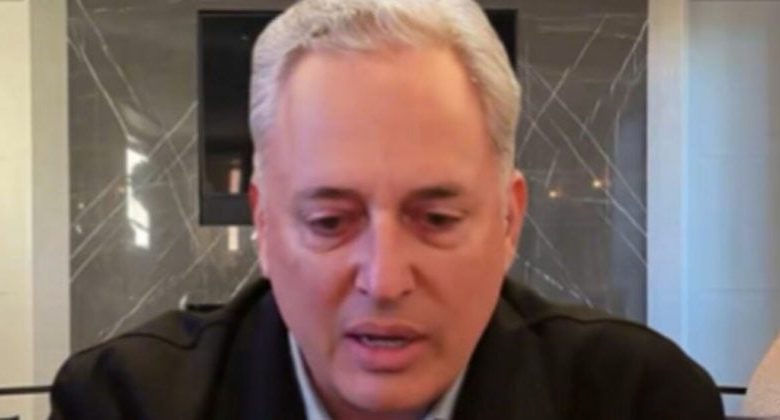
David Sacks, the first person to hold the title of White House AI and Crypto Czar, announced his departure from the role on March 26, 2026. Rather than walking away from Washington entirely, Sacks moved to co-chair the President’s Council of Advisors on Science and Technology, known as PCAST.
What Sacks actually did in the role
Trump tapped Sacks for the czar position in December 2024, making him the point person for shaping federal policy on both AI and digital assets.
During his tenure, one of the most notable deliverables was the GENIUS Act, a legislative framework aimed at bringing regulatory clarity to stablecoins and other digital assets.
The broader AI security mandate proved murkier. No dedicated AI Security Agency was formally established under the Trump administration during Sacks’ time in the role. References to structured AI security oversight have been more closely associated with the UK’s AI Security Institute than with any US equivalent.
Why the timing matters
Sacks’ transition came several months into Trump’s second term. The GENIUS Act, if passed, would establish the first comprehensive federal framework for stablecoin issuers.
What this means for crypto investors
The immediate market reaction to Sacks’ departure has been essentially nothing. No tokens cratered. No stablecoin depegged.
The absence of a formal AI Security Agency also has implications for the growing intersection of AI and crypto. Decentralized AI projects, AI-powered trading protocols, and on-chain AI agents are proliferating across the industry. Without a dedicated federal body overseeing AI security, the regulatory treatment of these hybrid projects remains ambiguous.
Stakeholders should watch for two things: whether a new AI and Crypto Czar is appointed, and whether PCAST under Sacks’ co-chairmanship takes an active role in shaping stablecoin policy.