AI Investment Trends 2026: A Comprehensive Guide to the Artificial Intelligence Boom

Key Takeaway
The artificial intelligence revolution has fundamentally transformed the investment landscape in 2026, creating unprecedented opportunities for investors seeking exposure to one of history’s most transformative technologies. Companies leading the AI charge have demonstrated remarkable revenue growth and market dominance, with the global AI market projected to exceed $500 billion by year-end. For investors looking to capitalize on this trend, understanding the key players, market dynamics, and potential risks is essential for building a profitable AI-focused portfolio.
The concentration of AI infrastructure spending among hyperscalers continues to drive extraordinary growth for semiconductor companies and cloud providers. NVIDIA remains the dominant force in AI accelerators, though competition is intensifying from AMD, Intel, and custom chip solutions developed by major cloud providers. Meanwhile, software companies integrating AI capabilities are experiencing significant multiple expansion as investors price in the potential for AI-driven productivity gains and new revenue streams.
For investors seeking comprehensive analysis and real-time insights on AI stocks, utilizing professional-grade tools can provide a significant edge. Platforms offering AI-powered screening capabilities allow you to filter and analyze opportunities based on custom criteria, ensuring you never miss potential winners in this rapidly evolving sector.
The AI Infrastructure Investment Surge
Hyperscaler Capital Expenditure Expansion
Major technology companies continue to pour unprecedented capital into AI infrastructure, with 2026 marking another record year for data center investments. Microsoft, Google, Amazon, and Meta collectively allocated over $200 billion toward AI infrastructure expansion, driven by the insatiable demand for compute power required to train and deploy large language models and generative AI applications.
This massive spending has created a virtuous cycle for suppliers up and down the semiconductor value chain. Companies providing advanced packaging solutions, high-bandwidth memory, and specialized networking equipment have seen their order books swell as hyperscalers race to build out capacity. The supply constraints that plagued the industry in 2024 and 2025 have gradually eased, though certain components remain in tight supply.
The geographic diversification of AI infrastructure has emerged as a significant theme, with companies establishing data centers across multiple regions to address latency requirements, regulatory considerations, and energy availability. This distributed approach has created opportunities for local suppliers and construction companies while complicating supply chain management for major equipment vendors.
The Semiconductor Ecosystem Evolution
NVIDIA’s dominance in AI accelerators continues to define the investment narrative, with the company’s data center revenue growing over 150% year-over-year. The introduction of the Blackwell architecture has solidified NVIDIA’s technical leadership, offering superior performance per watt compared to competing solutions. However, investors are increasingly focused on the sustainability of these growth rates as the installed base expands and competitive pressures mount.
AMD has emerged as the most credible challenger to NVIDIA’s supremacy, gaining traction with its MI300 series accelerators. The company’s strategy of offering competitive performance at lower price points has resonated with customers seeking to diversify their supplier base and reduce dependency on a single vendor. AMD’s growing software ecosystem, including the ROCm platform, has addressed historical weaknesses that limited adoption in enterprise environments.
Intel’s efforts to reestablish relevance in the AI accelerator market have shown mixed results. The Gaudi 3 platform offers competitive performance for certain workloads, though software ecosystem limitations have constrained broader adoption. The company’s manufacturing challenges continue to hamper its ability to compete effectively, though the upcoming 18A process node could improve the competitive positioning if execution succeeds.
Custom chip development by hyperscalers represents perhaps the most significant long-term threat to traditional semiconductor vendors. Google’s TPUs, Amazon’s Trainium and Inferentia chips, and Microsoft’s Maia processors demonstrate the scale advantages of custom silicon for internal workloads. While these solutions remain primarily for internal use, their growing sophistication could eventually pressure merchant silicon suppliers.
Software and Platform Investment Opportunities
Enterprise AI Adoption Accelerates
The deployment of AI capabilities within enterprise software has accelerated dramatically in 2026, with virtually every major software vendor integrating generative AI features into their platforms. Microsoft leads this transformation with its Copilot offerings across Office 365, Dynamics, and Azure, demonstrating early evidence of monetization through premium pricing tiers.
Salesforce’s Einstein GPT and various AI integrations across the Customer 360 platform have shown promising early adoption metrics. The company’s focus on industry-specific AI solutions has differentiated its offerings from more generic alternatives, potentially supporting higher pricing power and customer retention.
Adobe’s Firefly platform for creative AI has gained significant traction among design professionals, with the company successfully navigating the complex intellectual property considerations surrounding generative AI training data. The integration of AI capabilities across Creative Cloud, Document Cloud, and Experience Cloud creates multiple vectors for revenue expansion.
Palantir’s Artificial Intelligence Platform (AIP) has emerged as a standout performer in the government and commercial sectors, with the company’s bootcamp approach to customer engagement driving rapid deployment and expansion. The platform’s ability to integrate disparate data sources and enable AI-driven decision making has resonated with defense and healthcare customers facing complex analytical challenges.
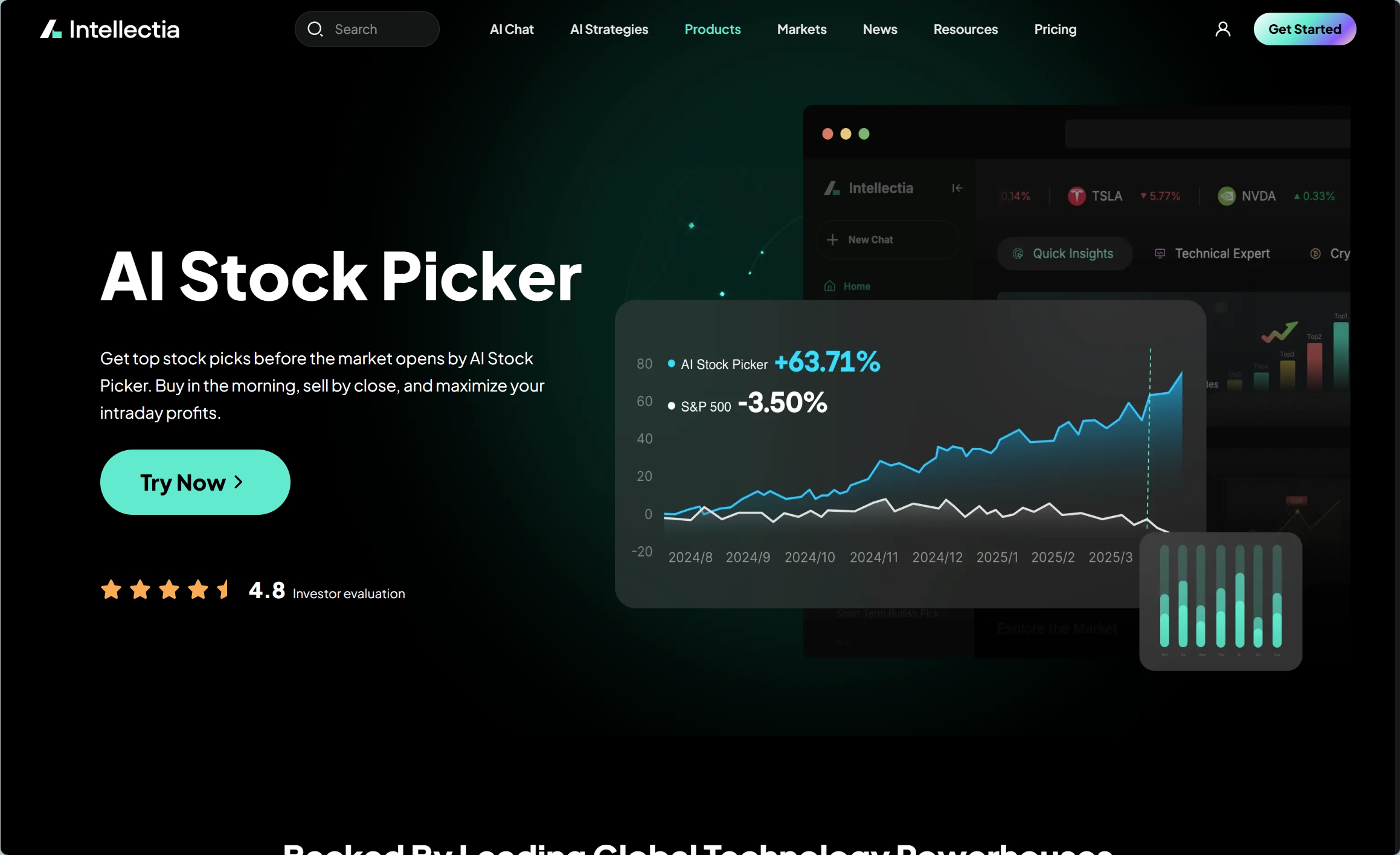
For investors looking to identify the next breakout AI software stocks, using AI-powered stock picking tools can help analyze vast amounts of data to uncover hidden opportunities before they become widely recognized by the market.
Cloud Platform Differentiation
The major cloud providers have intensified their AI-focused competition, with each pursuing distinct strategies to capture enterprise AI workloads. Amazon Web Services continues to leverage its broad service portfolio and customer relationships, while Microsoft benefits from its early partnership with OpenAI and integration advantages across the productivity software stack.
Google Cloud has invested heavily in its Vertex AI platform and proprietary models, with Gemini demonstrating competitive capabilities across text, image, and multimodal applications. The company’s deep research expertise and tensor processing unit infrastructure provide differentiated capabilities for training and inference workloads.
Oracle’s aggressive cloud infrastructure expansion, driven by AI demand, has surprised many investors. The company’s focus on high-performance computing and GPU-dense offerings has attracted significant AI training workloads, with the autonomous database platform providing a compelling value proposition for enterprise customers.
Investment Risks and Considerations
Valuation Concerns and Concentration Risk
The extraordinary performance of AI-focused stocks has created significant valuation challenges for investors. Many leading companies trade at multiples that imply sustained hypergrowth for years to come, leaving little room for execution missteps or competitive disruption. The concentration of market gains among a handful of mega-cap technology stocks has raised concerns about the sustainability of current market dynamics.
Regulatory scrutiny of AI technologies continues to intensify, with policymakers in the United States, European Union, and China advancing frameworks to address concerns around safety, bias, and competitive dynamics. While comprehensive regulation remains elusive, the potential for restrictive measures that limit deployment or increase compliance costs represents a material risk factor.
The capital intensity of AI infrastructure development has created a bifurcation between companies with the financial resources to compete at scale and those facing constraints. This dynamic favors established technology giants while potentially limiting opportunities for emerging competitors, raising long-term questions about market structure and innovation incentives.
Technological Disruption Potential
The rapid pace of AI model advancement creates both opportunities and risks for investors. Breakthrough architectures or training methodologies could rapidly obsolete current hardware and software investments, potentially disrupting the competitive positions of today’s market leaders. Investors must remain attentive to emerging research directions and their implications for existing portfolio holdings.
Edge AI and distributed inference represent emerging themes that could reshape infrastructure requirements and competitive dynamics. The deployment of AI capabilities on consumer devices and local servers may reduce dependency on centralized cloud infrastructure, potentially impacting the growth trajectories of hyperscalers and their suppliers.
Energy constraints have emerged as a practical limitation on AI infrastructure expansion, with data center power consumption becoming a significant concern for utilities and policymakers. Companies addressing energy efficiency in AI workloads or developing novel computing architectures may represent compelling investment opportunities as these constraints intensify.
Portfolio Strategies for AI Exposure
Diversification Across the Value Chain
Building a comprehensive AI investment portfolio requires exposure across multiple layers of the technology stack. The semiconductor layer provides the foundational infrastructure, with NVIDIA, AMD, and Broadcom representing core holdings for many investors. The equipment and materials suppliers that enable semiconductor manufacturing offer indirect exposure with potentially different risk profiles.
Cloud infrastructure providers offer leveraged exposure to AI adoption trends, with Microsoft, Amazon, and Google representing the primary vehicles for this exposure. These companies benefit from AI workloads while maintaining diversified revenue streams that provide some insulation from AI-specific risks.
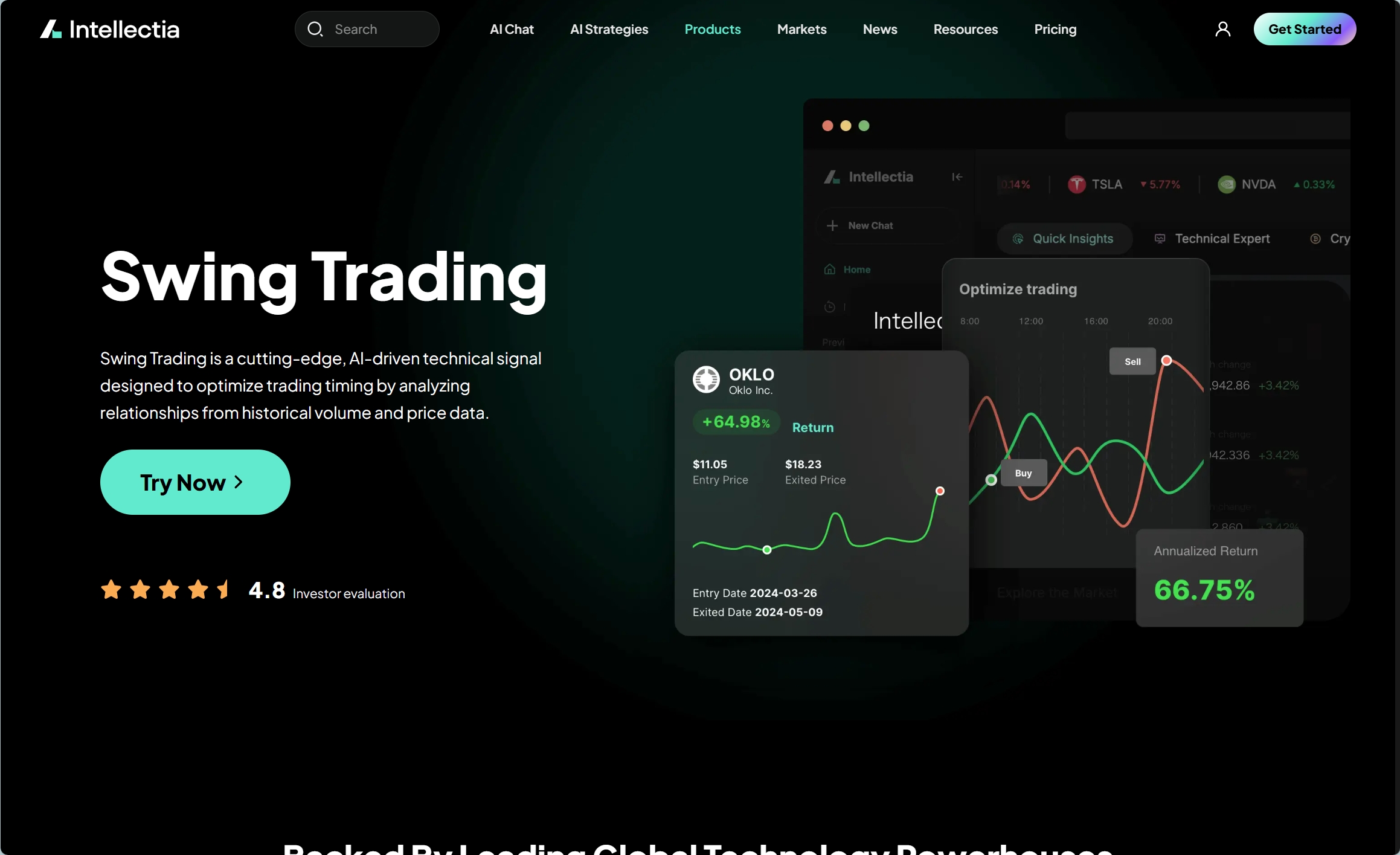
For investors seeking to build a well-diversified AI portfolio, professional-grade stock analysis tools can help evaluate opportunities across the entire value chain, from chip manufacturers to software platforms and enterprise adopters.
Thematic and Index Approaches
Exchange-traded funds focused on artificial intelligence and robotics provide convenient diversification for investors seeking broad exposure without the complexity of individual stock selection. These funds typically hold positions across the semiconductor, software, and industrial automation sectors, offering a balanced approach to the theme.
However, investors should be aware that many AI-focused ETFs exhibit significant overlap with broad technology indexes, potentially limiting the incremental exposure relative to simply holding QQQ or similar broad technology funds. Careful analysis of holdings and overlap can help optimize portfolio construction.
Active management may be warranted given the rapid evolution of competitive dynamics and the potential for significant dispersion in returns between winners and losers. The AI investment landscape remains sufficiently complex and dynamic that fundamental research and ongoing monitoring can potentially add meaningful value.
Conclusion
The artificial intelligence investment opportunity remains compelling in 2026, though the landscape has evolved significantly from the early days of the boom. Successful investing in this space now requires greater selectivity and attention to competitive dynamics, valuation discipline, and risk management. Companies that can sustain technological leadership while navigating regulatory and competitive challenges are likely to reward patient investors handsomely.
The transformation of business processes and consumer experiences through AI is still in its early stages, suggesting years of growth ahead for the ecosystem’s leading participants. However, the dispersion between winners and losers is likely to increase as the technology matures and competitive advantages become more deeply entrenched.
For investors seeking to navigate this complex landscape, leveraging professional-grade analysis tools can provide the insights needed to identify opportunities and manage risks effectively. Whether through individual stock selection or diversified thematic exposure, maintaining a disciplined approach to AI investing will be essential for capturing the long-term value creation this transformative technology promises.
Don’t miss out on the AI investment revolution. Sign up today to access our comprehensive AI stock analysis platform and discover the best opportunities in this rapidly evolving market.