5 Years After Taliban Takeover, Afghan Women See Their Futures Erased
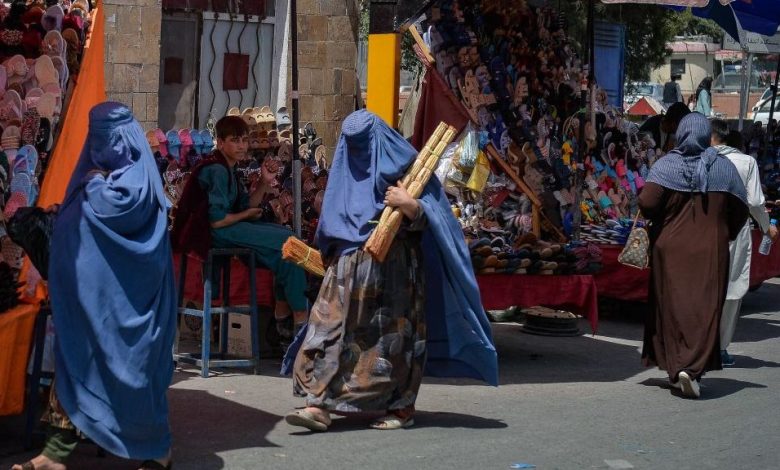
Saturday marked five years since the Taliban seized power in Afghanistan, and for the country’s women and girls, the anniversary brought little to commemorate. Arshad Mehmood reports that restrictions initially imposed after the collapse of President Ashraf Ghani’s government have hardened into a sweeping system that excludes women from education, employment and public life.
Girls remain barred from schooling beyond sixth grade. Women face tight controls on movement, dress, work and access to public spaces, often requiring a male guardian simply to leave home. United Nations experts are urging governments not to legitimize the Taliban without measurable, independently verified improvements in human rights.
Behind those policies are lives thrown violently off course. Marzia Imamzadeh, a Hazara Shia refugee who dreamed of becoming a lawyer, fled toward Pakistan after the Taliban takeover and survived an Islamic State Khorasan Province attack on her convoy. A former Afghan women’s volleyball coach, now separated from her children, described struggling to obtain food and medical care while facing possible deportation.
Zala Ahmadi was one semester short of completing a computer science degree at Kabul University when the Taliban closed the door on her education and startup ambitions. She sold her family’s remaining gold jewelry to pay smugglers and now lives undocumented in Pakistan, watching from afar as her younger sisters lose their own educational opportunities.
Other women who escaped Afghanistan—including journalist Tahmina Usmani, former national athlete Marwa Ali and former Supreme Court Judge Tahmina Safi—describe a generation stripped of autonomy, security and hope. Their testimony also exposes a troubling contradiction: Foreign governments condemn Taliban abuses while maintaining political and humanitarian engagement.
Geopolitical analyst Paul Farley warns that excluding women from education and healthcare could leave Afghanistan desperately short of female doctors, nurses and midwives, driving maternal mortality higher. Activist Fariba Akbari says poverty, forced marriage, domestic abuse and deportation fears are feeding a largely overlooked mental health emergency.
Mehmood’s full report gives these women something the Taliban has tried to deny them: a public voice. Read it for the human stories behind five years of gender-based exclusion—and for the warning that silence may allow this system to become permanent.