‘No Increase in Interest Rates Anytime This Year’: JP Morgan vs. Markets Pricing 60% Hike Odds
JPMorgan’s top global strategist says the Fed will not touch rates for the rest of the year, but bond markets and futures traders are betting he is badly wrong, and one side is about to take a painful loss.
This post may contain links from our sponsors and affiliates, and Flywheel Publishing may receive compensation for actions taken through them.
In August, JPMorgan Funds Chief Global Strategist David Kelly told Marketplace Morning Report that there will be no interest rate increase this year. This puts him squarely at odds with the bond market as well as the CME Group’s FedWatch Tool, which pins the odds of a September rate hike at more than 50%.
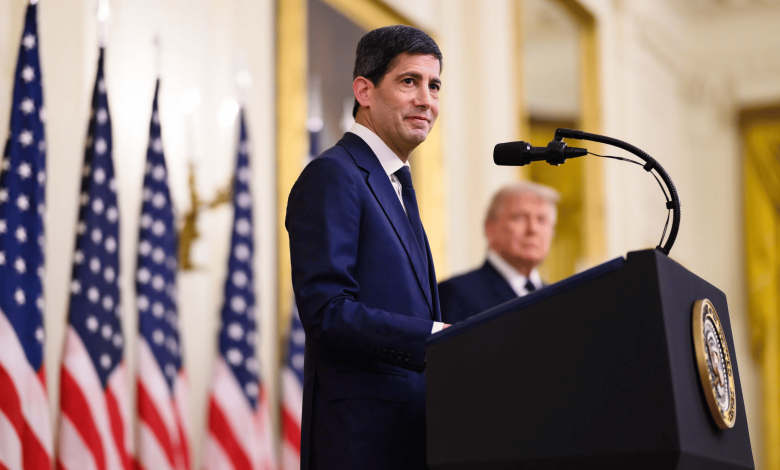
Kevin Warsh’s first Jackson Hole speech, Kelly said, will convince investors “there won’t be an increase in interest rates in September or indeed anytime this year.” That is striking, because six days earlier former Fed Vice Chair Alan Blinder had framed Warsh’s debut around a very different market: Fed funds futures were pricing roughly a 40% chance of a September rate hike. That is a hike, not a cut. Someone is going to be badly wrong about the direction of your mortgage rate.
Collision Behind Warsh’s Debut
The Fed has been frozen. The federal funds target upper bound has sat at 3.75% every day since Dec. 11, 2025, unchanged since it stepped down from 4%. That is more than eight months of unchanged policy, the longest pause of the current cycle. A year ago the upper bound sat at 4.5%.
The bond market, however, is not acting like a market that believes the Fed is done. The 10-year Treasury yield is at 4.78% as of Thursday, Sept. 3, sitting in the 92nd percentile of the past year. It has climbed from a February low of 3.97% and is now at a multi-year high. The long end is more emphatic: The 30-year sits at 5.25%. Investors are demanding term premium consistent with a Fed that might have to lean tighter, not looser.
Why Kelly Thinks the Market Is Wrong
Kelly’s logic rests on the data Warsh will see. Core PCE, the Fed’s preferred inflation gauge, rose just 0.2% month over month in July. Unemployment ticked down to 4.1% in July, off the November high of 4.5%, but nothing that screams wage-driven inflation. Kelly expects Warsh to note “satisfaction that inflation is gradually easing” and observe that “there doesn’t seem to be much inflation coming out of the labor market.” Such signals, Kelly argues, will collapse the September hike probability.
This is a real disagreement with material stakes. Consumer sentiment is running at 49.5, below the 60 threshold the University of Michigan flags as recessionary. The VIX has drifted back to 15.21, down 18.5% from a month ago. Equity volatility says calm. Long yields say worried. The 10Y-2Y spread has flattened to 0.47%, well off its February high of 0.74%.
What Homeowners and Investors Should Actually Watch
The practical stakes are simple. If Kelly is right and Warsh signals a hold through year-end, the 10-year should retrace toward the 4.3% area it held in spring, and 30-year mortgage rates ease with it. If the 40% camp is right and Warsh signals that the December cut was the last dovish move for a while, the 10-year pushes back through 4.75% and mortgage quotes go the other way. Watch three things over the next two weeks: the fed funds futures curve for September immediately after Warsh speaks Friday, the reaction in the 30-year yield (currently 5.19%), and the August core PCE print. One side of this trade is about to be marked to market.
Contact [email protected] for any questions or corrections.