Tax season is here. What you need to know before you file.
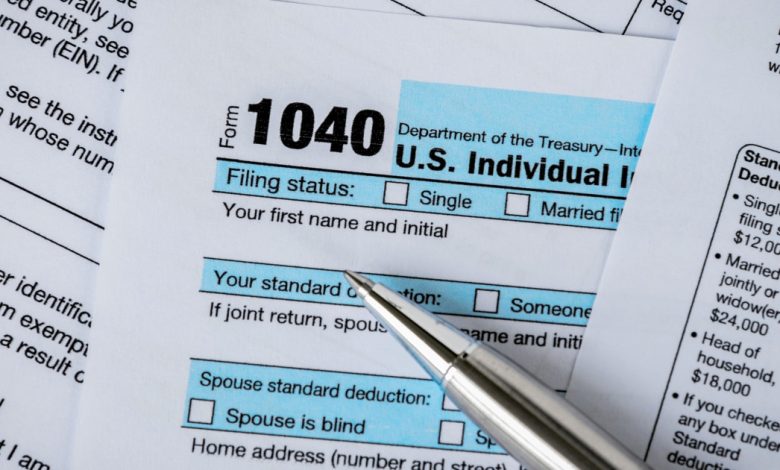
Tax season began Monday. Over the next three months, tens of millions of Americans will be filing returns for the 2025 tax year.
Several key changes are taking effect this year, many of them due to President Donald Trump’s “Big Beautiful Bill” legislation, which Republicans in Congress passed last summer.
The standard deduction has increased to $15,750 for single filers, $23,625 for heads of households and $31,500 for married couples filing jointly.
But tax professionals said that some Americans who typically take the standard deduction may want to consider itemizing this year.
That’s because Trump’s tax bill temporarily raises the limit on how much of a filer’s state and local tax bill they can deduct from their federal taxable income, from $10,000 to $40,000.
Known as the “State and Local Tax” or SALT deduction, the Trump bill quadrupled the SALT cap through the 2029 tax year. This means many taxpayers can deduct far more of the taxes they’re paying to state and local governments.
New deductions
There are also several new tax deductions going into effect this year that fulfill campaign promises Trump made during his successful 2024 bid for a second term.
Starting this year, Americans aged 65 and older can claim a new senior deduction of up to $6,000.
Taxpayers can also deduct up to $10,000 of interest they paid on loans taken out to buy a new car. The catch? The vehicle needs to have been assembled in the U.S. To check if a vehicle qualifies, look for the 17-digit vehicle identification number, or VIN, on the car and use the National Highway Traffic Safety Administration’s VIN decoder to find out where it was manufactured.
Trump also pledged “no tax on tips” and “no tax on overtime” during his campaign.
With both of these provisions now in place, tipped workers can deduct up to $25,000 worth of tips earned last year from their federal taxable income. But only certain jobs are eligible for the perk.
Workers eligible for overtime can deduct up to $12,500 a year in overtime pay.
These deductions phase out for higher-income taxpayers and will expire after the 2028 tax year. But until then, taxpayers can claim them regardless of whether they take a standard deduction or itemize.
To claim these deductions, taxpayers will need to fill out an additional form.
Tax credits
Two key tax credits that were championed by the Biden administration expired late last year: An electric vehicle credit and a home energy efficiency credit. But eligible taxpayers can still claim them on their returns this spring.
A $7,500 EV credit formally expired on Sept. 30. But taxpayers who bought an EV before then can collect the tax credit by filing an extra form with their tax returns. To check if you’re eligible, go to fueleconomy.gov.
The credit for energy-efficient home improvements ended Dec. 31, so people who made eligible purchases last year can still claim the credit. The improvements could include exterior doors, windows and skylights that meet certain energy requirements.
The child tax credit also increased this year to $2,200 per child under 17 years old, up from $2,000. Both the parent and the child must have valid Social Security numbers to qualify for the credit.
Parents can also file an extra form with their federal returns this year to register for a new, tax-advantaged savings account for each of their children, dubbed a “Trump account.”
Under the new program, the accounts will be permitted to receive up to $5,000 a year until the child turns 18.
For children born between 2025 and 2028, the government is planning to deposit $1,000 in seed money into each child’s account.
The IRS says contributions to the accounts could start this summer.
Filing your return
While Monday was the first day to file, many taxpayers might not have all the necessary forms in hand yet.
Tax professionals say some Americans may want to wait until any additional forms come in over the next couple of weeks before filing their returns.
Taxpayers who file early on and later receive an additional form in the mail can file an amended return, however.
The annual deadline to file or request a six-month extension is Wednesday, April 15. Even for those requesting extensions, any taxes owed will still be due April 15.
The IRS Direct File program is gone, but taxpayers can still use the Free File program. It allows taxpayers with an adjusted gross income of $89,000 or less to file their federal returns for free using companies that partner with the IRS. Anyone considering Free File should check to see whether a particular guided program will help them file free state returns as well.
There’s also the Fillable Forms option for federal tax returns. It’s for people at any income level to file their taxes for free using IRS instructions and publications, rather than a guided program.
Refunds
Many Americans could receive a bigger refund this year than they did in 2025. The nonpartisan Tax Foundation estimates that the average tax refund this year will be $3,800, up nearly 25% from the previous year.
Americans can check the status of their refunds on the IRS’ Where’s My Refund tool or on the IRS2Go app. The IRS says taxpayers’ refund statuses will typically become available within 24 hours after the agency receives an e-filed return, or around four weeks after mailing a paper return.
The IRS recommends that filers set up direct deposit to get refunds electronically deposited for free.