Wall Street Futures Hold Firm Before Key CPI Data, Jobs Numbers
We are entering an important week for the markets. U.S. stock futures are holding steady, with Dow futures slightly higher, while S&P 500 and Nasdaq futures show mixed movements. Investors are focused on the CPI Data, the Consumer Price Index, along with the upcoming jobs report. Both releases have the potential to shift market sentiment, affect bond yields, and influence expectations for Federal Reserve policy.
Pre-Market Snapshot: How Futures Are Trading
- Dow Jones futures: Showing modest gains before the market opens.
- S&P 500 and Nasdaq futures: Dropping a little, indicating cautious sentiment among investors.
- Global cues: Asia and Europe present mixed signals, keeping focus on inflation and jobs data.
- Investor approach: Many traders are taking smaller positions until the data provides more clarity.
CPI Data in Focus: What Markets Expect
- Headline CPI: Expected to rise about 0.3% month-over-month.
- Annual inflation: Forecast to cool to around 2.9%.
- Core CPI: Excluding food and energy, a modest increase is anticipated.
- Market implications: Higher-than-expected CPI could push bond yields up and pressure stocks. Lower inflation may support riskier assets.
Jobs Numbers Preview: Labor Market Under the Lens
- Job gains: Forecasted at roughly 150,000–170,000 for January 2026.
- Downside risk: Some predictions suggest weaker growth due to previous revisions.
- Unemployment rate: Forecasted to stay around 4.0–4.4%, showing relative stability in the labor market.
- Importance: Stronger employment can reduce chances of Fed rate cuts, while weaker numbers may encourage risk-on strategies.
Federal Reserve Implications: Rates, Timing, and Tone
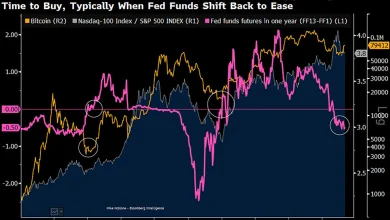
- Rate cuts: Markets are debating when a potential 2026 reduction could occur.
- Inflation pressure: Persistent CPI readings could delay rate cuts.
- Labor market weakness: Could strengthen arguments for future reductions.
- Policy context: Inflation has yet to hit the Fed’s 2% target, and wage growth remains a key factor.
Market Positioning: Where Investors Are Placing Bets
- Risk assets: Traders are trimming positions ahead of CPI Data and the jobs report.
- Volatility: VIX has moved higher in anticipation of market reactions.
- Safe assets: Cash and low-risk holdings are preferred until results provide clarity.
Key Stocks and Sectors to Watch
- Financials: Likely to benefit if inflation surprises on the upside, as yields rise.
- Tech stocks: Could underperform if rate-cut expectations fall.
- Consumer discretionary: Sensitive to inflation-related spending trends.
- Dollar impact: Sticky CPI may strengthen the USD; softer CPI could weaken it.
Potential Market Scenarios After Data Release
- Cooler inflation + weak jobs:
- Markets may rally.
- Rate cuts become more likely.
- Hot CPI + strong jobs:
- Stocks could slide.
- Fed may delay rate reductions.
- Mixed data:
- Volatility spikes.
- Markets may experience choppy moves.
Each scenario can have different effects on equities, bonds, and currency markets.
Global Spillover Effects
- Emerging markets: React to dollar strength or weakness.
- Global bonds: Adjust based on inflation expectations.
- Currencies: Pairs like EUR/USD often move sharply after CPI surprises.
- Conclusion: U.S. CPI Data has a direct impact on financial markets worldwide.
Conclusion
Wall Street futures are steady, but investors remain cautious as they await the CPI Data and jobs numbers. These reports will provide a clearer picture of whether inflation is cooling or remaining persistent and may heavily influence Federal Reserve decisions on interest rates. Traders are balancing risk-on and defensive strategies depending on potential surprises. Beyond the U.S., this data is likely to affect global markets, including bonds, currencies, and emerging economies. Even minor deviations in CPI or employment figures could trigger significant market movements, making this week a critical period for investors.
FAQS
It measures changes in the prices of goods and services, helping track inflation trends.
Because it reveals inflation trends that can influence stock and bond markets.
The Fed uses it to decide whether to raise, lower, or maintain interest rates.
The U.S. Bureau of Labor Statistics publishes it every month.
Disclaimer:
The content shared by Meyka AI PTY LTD is solely for research and informational purposes. Meyka is not a financial advisory service, and the information provided should not be considered investment or trading advice.