Century Lithium’s Angel Island feasibility update boosts economics – ICYMI
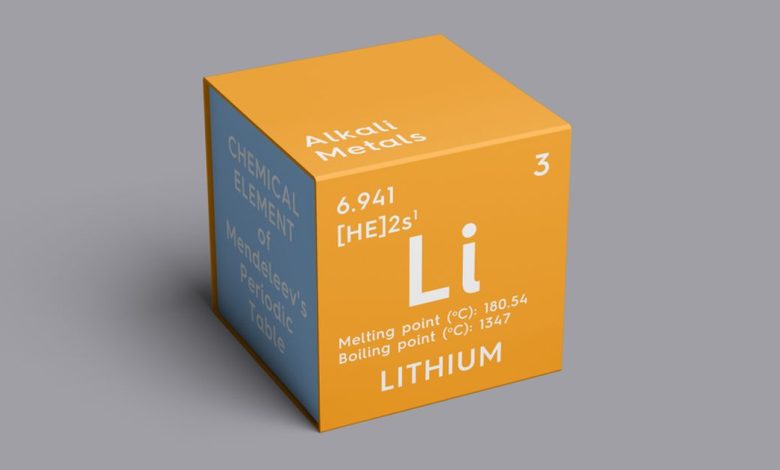
Century Lithium Corp. (TSX-V:LCE, OTCQX:CYDVF) CEO Bill Willoughby talked with Proactive about updated feasibility economics for the Angel Island Lithium Project and how several years of optimization work have significantly improved the project’s financial profile.
Willoughby explained that the latest update reflects major efficiency gains in processing, particularly in the plant design and direct lithium extraction (DLE) area.
The company has reduced initial capital costs by approximately $600–$700 million, largely through cutting electrical demand and streamlining equipment requirements. The revised plan eliminates the previously envisioned third phase of development, focusing instead on the first two phases, targeting production of approximately 26,000 to 27,000 tonnes per year of lithium carbonate.
Importantly, there are no changes to the mineral resource or reserve estimates. The improvements are centered on processing efficiencies, acid plant optimization, and overall system design. The company continues to use a base price of $24,000 per tonne for lithium carbonate in its economic model, which Willoughby described as a reasonable long-term incentive price.
The Angel Island Lithium Project also benefits from sodium hydroxide as a co-product, representing roughly 20% of total gross sales revenue. The company is advancing permitting through the NEPA process and is part of the FAST-41 transparency program, which may help accelerate federal approvals.
Proactive: Welcome back inside our Proactive newsroom, and joining me now is Bill Willoughby. He is the CEO of Century Lithium Corp. Bill, it’s great to see you again. How are you?
Bill Willoughby: I’m doing well. Thank you. It’s nice to be on.
After a really strong news release discussing updated numbers for your feasibility study, this is more about the economics changing rather than the resource itself?
That’s exactly right. It’s the culmination of several years of optimization studies to improve how we process lithium from clay into lithium carbonate.
What stood out most in terms of the improvements?
Improvements were made on both capital and operating costs. We reduced equipment in the processing plant and DLE area, lowered acid usage, reduced the size of the acid plant, and significantly lowered electrical demand.
Initial startup costs were reduced by around $600–$700 million?
Yes. Most reductions were in the electrical area, bringing capital closer to a $1 billion target. We eliminated the third phase of development, which would have taken production to 40,000 tonnes per year, and are now focused on 26,000–27,000 tonnes per year.
No changes to the mineral resource or reserve?
Correct. These updates are primarily in processing improvements, which improve economic returns.
What pricing assumptions were used?
We used $24,000 per tonne for lithium carbonate. We believe that’s a reasonable long-term price to support new projects.
Can you speak about co-products?
Sodium hydroxide is generated from the chlor-alkali plant and represents about 20% of total gross sales revenue.
What are the next steps?
We are seeking strategic partners and financing. The project is advancing through permitting and the NEPA process, and is part of the FAST-41 transparency program to help accelerate federal permitting.
How does Angel Island fit into the broader US lithium landscape?
There are larger projects underway, but we believe we fill a niche because we can go all the way to finished battery-grade product. We’ve successfully produced a clean product at pilot scale for over four years and are evaluating downstream and offtake options.
Quotes have been lightly edited for style and clarity