Decoding Iran: How the Theocratic System Shapes Its Politics and Policies
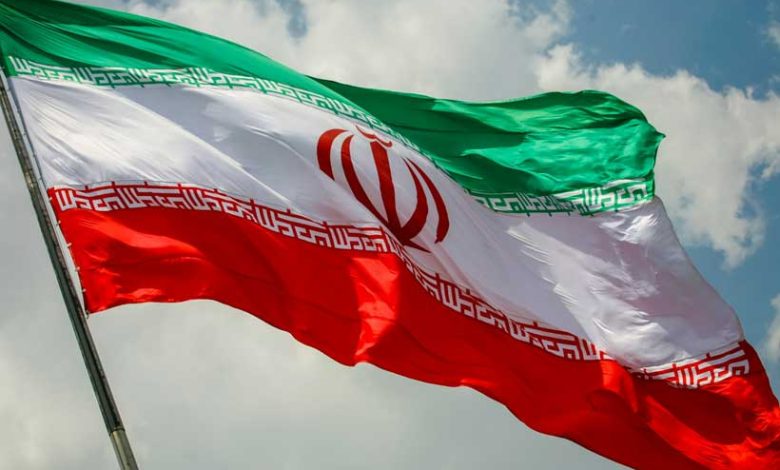
Iran’s Supreme Leader Ayatollah Ali Khamenei was reportedly killed in U. S. and Israeli strikes, which could threaten the clerical rule in Iran. The structure of Iran’s ruling system and its ideological support base complicate predictions about the future. The text discusses potential successors to Khamenei, the stability of Iran’s theocracy, the role of the Revolutionary Guards, and the purpose of elections in Iran.
Khamenei’s successor must be a cleric according to Iran’s system called vilayat-e faqih. This system dictates that a cleric should lead until the return of the 12th Imam. Under Khamenei and former leader Ayatollah Khomeini, the supreme leader has the ultimate authority over state matters. The current situation is unique, as there has never been such a challenge to this leadership. Khamenei, who is 86, did not publicly name a successor, and it is uncertain who could take over if he is indeed dead. Possible candidates include his son, Mojtaba Khamenei, and his predecessor’s grandson, Hassan Khomeini, along with senior clerics, but none have the same stature as Khamenei.
Iran’s clerical elite holds significant power, controlling various key organizations. The Assembly of Experts, composed of senior ayatollahs elected every eight years, appoints the supreme leader and has the authority to question or dismiss leaders, though this has never been done. In practice, the next leader would likely be chosen by senior officials and confirmed by the assembly. With key Revolutionary Guards leaders reportedly dead, it is uncertain who would influence this decision. The Guardian Council, which can veto laws and disqualify candidates, plays a crucial role in maintaining the political order.
The Islamic Revolutionary Guards Corps (IRGC) operates directly under the supreme leader and has expanded its influence in Iran significantly since its inception. The commander’s reported death adds to the uncertainty surrounding the Guards’ future role. The IRGC has been instrumental in Iran’s defense and has a strong presence in both military and civilian sectors. The Quds Force, an elite unit of the Guards, has been crucial in implementing Iran’s regional strategies. Although the IRGC has experienced setbacks from U. S. actions, it is expected to remain influential in determining the country’s fate.
Iran holds elections for president and parliament, allowing citizens to have a say in governance. However, participation has declined over time due to candidate restrictions imposed by the Guardian Council and controversial election outcomes. Most recently, President Masoud Pezeshkian, thought to be a moderate, won the 2024 elections. However, it was reported that he may have also been targeted in the recent strikes.
This situation raises important questions about the future of leadership and governance in Iran, especially considering the significant losses among key figures within the political and military structures.
With information from Reuters
Credit: Source link