Why Gold Mining Stocks Are Falling Despite The Iran War: The Gold-to-Oil Ratio Explained – VanEck Gold Miners ETF (ARCA:GDX)
Gold mining stocks have become one of the sharpest casualties of the war in Iran — and the move is catching many investors off-guard.
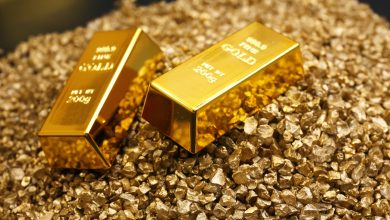
The VanEck Gold Miners ETF (NYSE:GDX) has fallen roughly 10% over Monday and Tuesday trading, a striking decline given that the conflict has historically driven money into gold as a safe haven. Gold itself, trading near $5,100 per ounce, has held relatively firm.
The explanation is not about the metal.
It is about oil — and a profitability metric that sits at the core of every gold mining operation: the gold-to-oil ratio.
A Crowded Trade Meets A Cost Shock
Context matters here.
Before the joint U.S.-Israeli military operation in Iran, gold miners were by far the best-performing equity industry over the past year.
The GDX ETF had surged approximately 170% over the previous 12 months, driven by a gold bull market that pushed prices above $5,000 an ounce.
Over the same period, the gold-to-oil ratio — the number of barrels of crude one ounce of gold can purchase — jumped from 35 to 75, marking a 120% increase.
Miners were priced for a prolonged, high-margin environment. The war in Iran changed one critical input almost overnight.
When the conflict escalated, two things happened simultaneously. Investors who had ridden the 170% rally began locking in profits, creating immediate selling pressure.
And more damagingly, the oil market moved fast.
WTI crude surged to $75 a barrel while gold barely flinched — a combination that caused the gold-to-oil ratio to collapse from 80 to 70 in just two sessions.
Why The Gold-To-Oil Ratio Is The Miner’s Margin Gauge
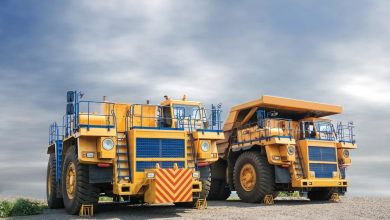
Gold mining is, above all else, an energy business. Diesel powers the massive haul trucks, drilling rigs, ore crushers, and processing facilities that turn rock into metal. Fuel represents one of the largest operating cost lines on any miner’s income statement.
When crude oil rises sharply, those costs follow — and they follow fast.
The gold-to-oil ratio captures this relationship in a single number. A higher ratio means gold is expensive relative to the fuel miners need to produce it: margins expand.
A falling ratio means the opposite: the commodity being sold is becoming cheaper relative to the primary input cost.
The Takeaway For Investors
Gold miners are not simply a leveraged bet on gold prices. They are a leveraged bet on the spread between gold and oil.
When that spread widens — as it did spectacularly over the past year — miners deliver outsized returns.
When it narrows, even a geopolitical shock that would ordinarily support precious metals can turn into a headwind for the equities.
The Iran conflict has, paradoxically, created exactly that scenario: a war that is sending crude sharply higher while gold remains relatively contained.
For gold mining investors, the variable to watch is no longer just the price of gold. It is how gold moves relative to the barrel of oil it takes to dig it out of the ground.
As long as WTI continues to outpace gold on the upside, the pressure on miners is unlikely to abate.
Photo: Shutterstock