‘ABC’ takes on a new meaning in South Korean politics

The “ABC theory” is fanning internal strife within the ruling Democratic Party of Korea, dividing supporters of the party and President Lee Jae Myung.
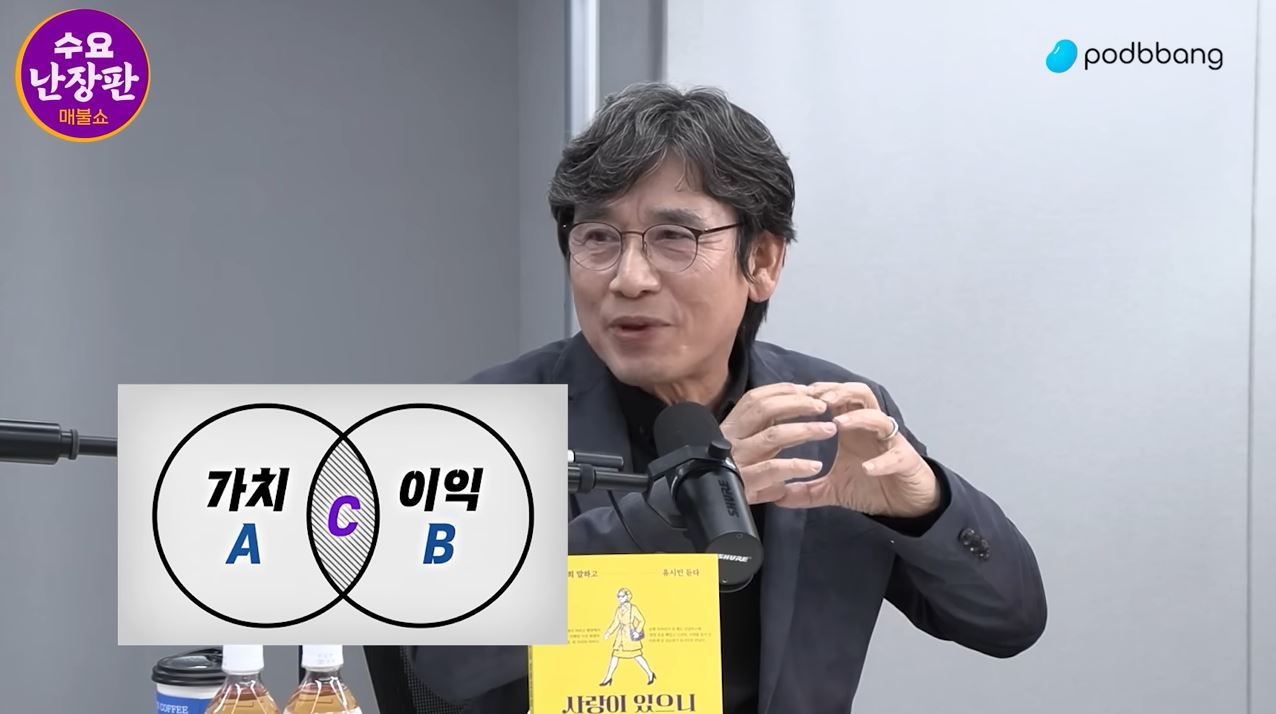
The theory, recently popularized by Rhyu Si-min, groups Democratic Party supporters into three categories: A, B and C. Rhyu was formerly the welfare minister and a close aide to the late President Roh Moo-hyun, an icon of progressive politics.
In a media appearance last week, Rhyu tried to distinguish loyalists in the Democratic Party from opportunists seeking leverage from the high popularity of President Lee.
“In Group A is the Democratic Party’s core support base that has inherited and upheld the spirit of our party’s political leaders from Kim Dae-jung, Roh Moo-hyun, Moon Jae-in and Lee Jae Myung,” Rhyu said during his appearance on liberal-leaning YouTube podcast “Maebul Show,” on March 18.
According to Rhyu, while group A is loyal to the party and values it represents, the intentions of those in groups B and C are tainted by personal ambitions.
“(Group B) pretend to gauge (Lee’s) intentions, but their real intention is to seek their own political gains.” He added that supporters who stay true to the party’s philosophy while at the same time seeking opportunities are categorized under Group C.
Repercussions from the podcast appearance persisted for more than a week, although Rhyu on Wednesday on the same show played down speculations that his remarks were intended to highlight the party’s internal strife, instead framing it as a way to introduce a tool to analyze politicians.
In the intervening week, the party was rife with infighting, with some accusing Rhyu of trying to pit the president’s supporters against the pro-Moon faction. Rhyu, due in part to his connection to Roh, is considered to be more aligned with the pro-Moon faction, as Moon was Roh’s closest aide and ally.
“People who support President Lee do so for various reasons, and it is a tremendously good thing for us,” Rep. Kim Young-jin of the Democratic Party said in a radio interview Wednesday.
“However, dividing supporters into A, B and C groups gets them into questioning where they belong, which feeds internal conflict.”
Kim Nam-kuk, spokesperson of the Democratic Party, also echoed the stance Wednesday, criticizing Rhyu for subtly planting the seeds of division in the party by villifying a certain group of Democratic Party supporters.
In the CBS radio interview, he also said Rhyu’s explanation Wednesday through the reappearance in the same show “added fuel to fire.” Kim, former lawmaker, is considered a pro-Lee faction politician.
Liberal political heavyweights also joined the infighting. Song Young-gil, a former five-term lawmaker seeking to return to politics via an upcoming by-election, said in a media appearance on Sunday that Lee lost to former President Yoon Suk Yeol in the 2022 presidential election because the pro-Moon faction “wanted Lee to lose the election.”
Song’s comment triggered backlash from pro-Moon faction lawmaker Rep. Ko Min-jung on Monday.
“Would you be someone of a bad example for fellow politicians?” Ko said on her Facebook, pointing to Song’s remark that laid blame on fellow party members for the election loss when he chaired the Democratic Party.
Additionally, a media revelation of a private conversation via text message between Prime Minister Kim Min-seok and Democratic Party Rep. Kim Hyun also fanned the flames. Kim, long considered a close ally to Lee, described Rhyu as “a Gangnam intellectual who enjoys fame and TV appearances.” Kim apologized for the message but reportedly invoked the “ABC theory” on Tuesday to describe political division in a closed-door event.
“The ‘ABC theory’ is a deceptive tactic that misleads the public because it implies that we are A, and you are B,” Lee Dong-hoon, senior spokesperson of the minor conservative Reform Party, said in a radio interview Thursday.
He added that those in Group A may regard themselves as good people who fight against “opportunists and bad guys.”
“That’s why Song Young-gil hit back at them, to be like, ‘I know what you guys did in the past,'” he said.
Democratic Party chair Rep. Jung Chung-rae said during a party meeting Friday the situation must be deescalated.
“I must take serious actions against our party members’ frivolous remarks or remarks that cross the line because they do no good to the upcoming election,” Jung said, without elaborating what remarks are problematic.
consnow@heraldcorp.com
Credit: Source link