Cattle futures jump while grains stall; Analyst warns of fertilizer disruptions via Strait of Hormuz
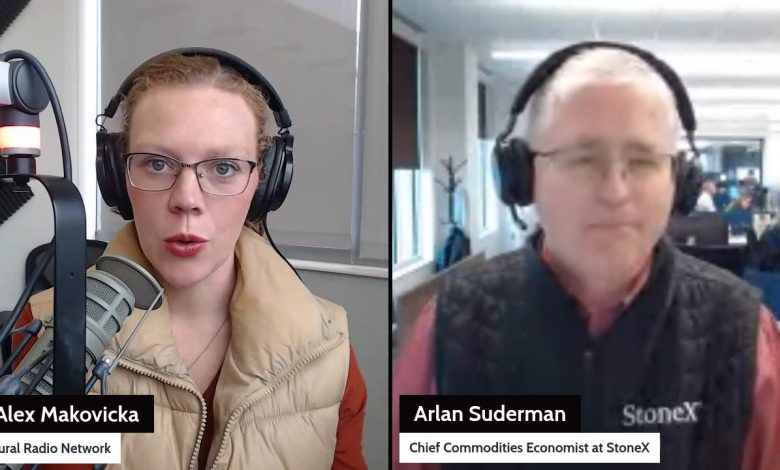
Grain and oilseed markets were largely steady at midday Wednesday as traders monitored currency markets and escalating tensions in the Middle East, according to a market analyst.
Arlan Suderman, chief commodities economist with StoneX, said the U.S. dollar has steadied after early volatility tied to geopolitical headlines, limiting major moves in agricultural futures.
“They’re keeping their eye on the dollar,” Suderman said. “A strong dollar makes it tougher for them to compete on the world market.”
While grains and oilseeds are not directly tied to the conflict in Iran, outside market swings have influenced investor flows. “We’ve seen a lot of volatility, increased money flow ebbing and flowing, trying to figure that out,” Suderman said. “It’s just kind of stabilizing today. But we’re really marking time.”
Traders are now looking ahead to several key reports, including the March 31 quarterly stocks and planting intentions reports, as well as updated renewable fuel regulations expected from the Environmental Protection Agency later this month. A crop production report due next week is typically less market-moving, Suderman noted.
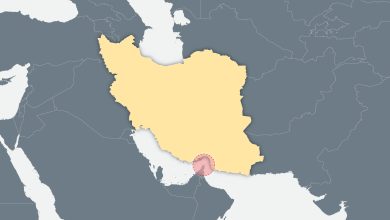
Energy markets could indirectly affect agriculture, particularly biofuels, if disruptions continue around the Strait of Hormuz, a critical global shipping lane.
“Typically higher energy prices increase demand for biofuels,” Suderman said. But he added that fertilizer supplies may be a more immediate concern for farmers heading into Northern Hemisphere planting season.
“A third of the world’s urea comes through the Strait of Hormuz on a regular basis,” he said, along with roughly 20% to 25% of anhydrous ammonia and much of the phosphate imported into the United States. Any sustained disruption could tighten global supplies and lift input costs.
In livestock trade, live and feeder cattle futures posted sharp gains midday Wednesday following a recent downturn.
“We had the big collapse and now we’re kind of coming back,” Suderman said. “Volatility continues in this market, but the fundamentals are still tight.”
He added that cash cattle trade could weaken again this week, though futures remain at a discount to cash prices, supporting the rebound.