Chancellor gives London’s IPO market a long-awaited shove
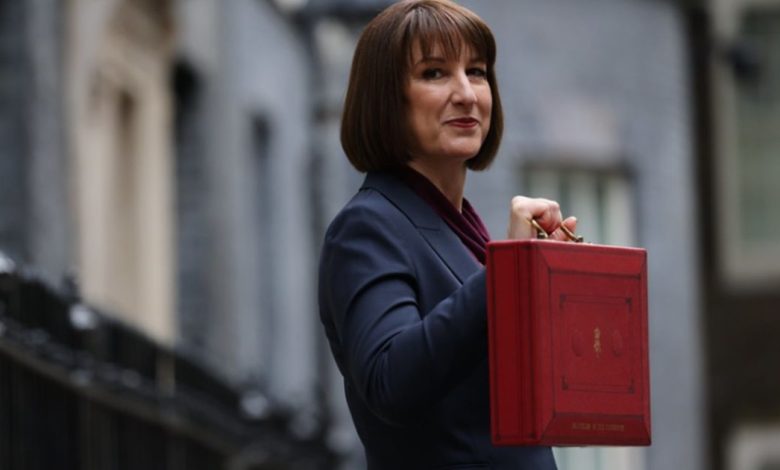
If Rachel Reeves wanted to signal that she is serious about getting corporate Britain off the sidelines, the budget delivered a clear nudge.
London’s equity market has spent the past few years watching a procession of companies either shun a listing entirely or pack their bags for New York.
The UK’s IPO market has been running at historic lows. Private equity groups have been sitting on portfolio companies that should, in more normal times, have floated by now.
The Chancellor is trying to break that logjam. The centrepiece is a three-year exemption from stamp duty for new UK listings.
A tax cut may not be the magic wand some hope for, but it is at least an attempt to chip away at a long list of frictions that make London feel less competitive.
For financial sponsors looking for a clean exit, even a modest improvement in liquidity and pricing would be welcome.
There is more. Reeves wants to expand the range of entrepreneurial investment schemes, a catch-all for the tax breaks that help funnel capital into young companies.
She is also launching a consultation on how to attract and keep more founders in Britain. The line she used in the Commons was neat enough. Build here and Britain will back you.
On the corporate side, the headline measure is a 40% allowance on upfront investment.
This lets businesses write off more of their capital spending, easing the decision to invest in equipment or expansion. In theory, that encourages the sort of growth that has been in short supply and gives midsized companies a clearer path to scale.
The UK has long struggled to turn ambitious start-ups into listed national champions. Lowering the cost of investing may help tilt the dial.
Whether any of this will restore London’s listing pipeline is another question. Global markets are still fussy about new issues and investors have become choosier after a run of patchy post-IPO performances.
Even so, the measures at least acknowledge that the problem is real. The hope in Whitehall is that a handful of confident, well-received floats will finally tempt the backlog of would-be issuers into daylight.
If nothing else, the budget marks a shift in tone. After years of drift, the government is betting that growth begins with investment and that a healthier stock market is part of the answer. Investors will now wait to see who steps forward first.