Elon Musk and the Biggest Winners of SpaceX’s $1.75T IPO
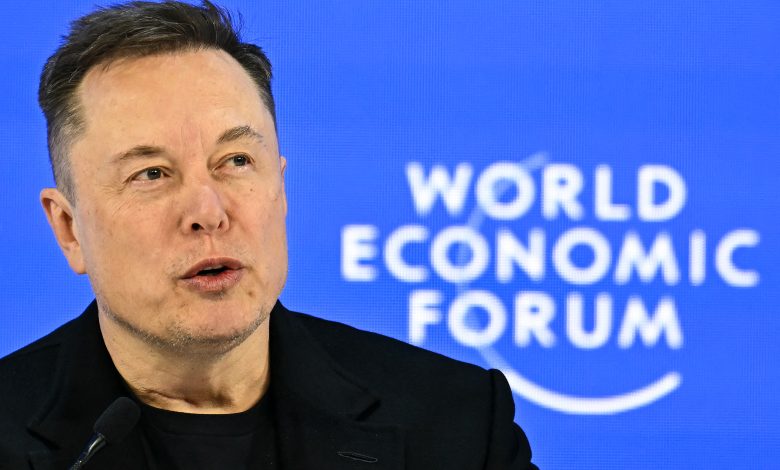
Elon Musk and a circle of institutional and elite individual investors are set for enormous gains as SpaceX has confidentially filed with the SEC to go public, multiple news outlets reported yesterday (April 1). The IPO, expected as early as June, could value SpaceX at over $1.75 trillion and raise as much as $50 billion, giving early backers and Musk himself a spectacular payday.
Musk, who founded SpaceX in 2002 and still owns about 42 percent of the company, would see his stake valued at around $735 billion at the projected IPO price, expanding his lead as the world’s richest man. The company is reportedly considering a dual-class share structure to secure Musk’s control even as it opens the door to public investors.
SpaceX has reportedly lined up a formidable roster of 21 banks, led by Morgan Stanley, Goldman Sachs, JPMorgan Chase, Bank of America and Citigroup, to run its books. An additional 16 banks will take on smaller roles.
SpaceX’s investor base widened after SpaceX’s February merger with Musk’s A.I. company, xAI, in a deal that valued SpaceX at $1 trillion and xAI at $250 billion. The merger brought in several major venture capital firms, including Sequoia Capital, Andreessen Horowitz and Valor Equity Partners, as well as institutional players such as StepStone Group, Fidelity Management & Research and the Qatar Investment Authority. Those xAI investors will now see their stakes repriced under SpaceX’s soaring valuation.
Another major beneficiary: EchoStar and its chairman, Charlie Ergen. SpaceX’s stock-based purchases of spectrum rights from EchoStar—worth over $19 billion combined—mean those shares could dramatically appreciate once the IPO begins trading.
For SpaceX’s earliest investors, the IPO represents long-awaited liquidity. In 2015, Google and Fidelity each took part in a $1 billion round that gave them nearly 10 percent of the rocket and satellite company. Their positions, mostly illiquid and difficult to value in private markets, could now be marked up severalfold.
Meanwhile, some latecomers to private rounds who gained exposure through brokered vehicles or layered investment structures may find their ownership less clear-cut.
The offering will give public investors access to an unusual bundle: a rocket manufacturer, a global satellite internet network and a rapidly evolving A.I. platform (xAI), which includes chatbot Grok and the social platform X. SpaceX generated about $15–$16 billion in revenue in 2025, with Starlink accounting for most of it, according to reports. How Musk presents this complex mix to the public markets and manages the tension between innovation and profitability will likely define the success of SpaceX’s market debut.