Global markets shaped by tariffs, gold and AI in 2025
The Blueprint
- Global stocks rebounded from April’s tariff shock to post another year of strong gains.
- Gold jumped nearly 70% in its strongest annual performance since 1979.
- Bond markets saw renewed volatility as long-term yields and term premia rose.
- AI investment, crypto swings, and geopolitical risks reshaped market expectations.
LONDON — Most investors knew 2025 would be different given U.S. President Donald Trump’s return to power in the world’s biggest economy, but few predicted how wild the ride would get, or the end results.
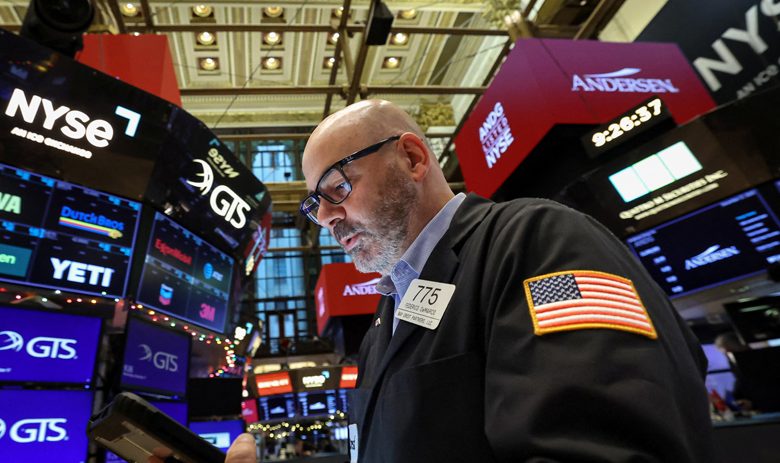
World stocks recovered from April’s “Liberation Day” tariffs crash to add another 20% in their sixth year of double-digit gains in the last seven, but look elsewhere and the surprises jump out.
Gold, the ultimate safe port in a storm, was expected to achieve its best year since 1979, the U.S. dollar fell nearly 10%, oil fell almost 17%, yet the junkiest of junk bonds soared in the debt markets.
The “Magnificent Seven” U.S. tech giants seem to have lost some of their sparkle since artificial intelligence darling Nvidia became the world’s first $5 trillion company in October, and bitcoin suddenly lost a third of its value too.
DoubleLine fund manager Bill Campbell described 2025 as “the year of change and the year of surprises”, with the big moves all “intertwined” in the same seismic issues — the trade war, geopolitics and debt.
“If you were to tell me a priori that Trump was going to come in and use very aggressive trade policies and sequence it the way he has, I would not have expected valuations to be as tight or lofty as they are today,” Campbell said.
A trio of U.S. rate cuts, Trump’s criticisms of the Federal Reserve and broader debt worries have all impacted bond markets.
Trump’s “big, beautiful” spending plans led the 30-year U.S. Treasury yield to surge past 5.1% to its highest since 2007 in May, and though it is now back at 4.8%, the re-expanding gap to short-term rates that bankers dub “term premia” is causing jitters again.
Japan’s 30-year yields returned near a record high too. The juxtaposition here is bond market volatility was at a four-year low and local-currency emerging market debt had had its best year since 2009.
AI is all part of the debt mix too. Goldman Sachs estimates the big AI “hyperscalers” spent nearly $400 billion in 2025 and will spend almost $530 billion in 2026.
All that glitters
Gold’s near 70% surge was its biggest jump since 1979 and precious peers silver and platinum were up an even more dazzling 130%.
In crypto, Trump launched a meme coin and gave a presidential pardon to Binance founder Changpeng Zhao. Bitcoin hit an all-time high above $125,000 in October but then crashed to $88,000 and was expected to end the year down around 5.5%.
The dollar’s near 10% drop, meanwhile, left the euro up 14% while the yen was flat for the year.
Trump’s re-engagement with Russian President Vladimir Putin helped the rouble surge almost 36%, although it remains heavily restricted by sanctions and just leads the 28% tear from gold producer Ghana’s cedi.
“We don’t think this is just a short-term phenomenon,” said Jonny Goulden, head of EM fixed income strategy research at J.P. Morgan. “We think a bear market cycle for EM currencies that has lasted for 14 years now, has turned here.”
New year, new fears
It won’t be a quiet start to 2026 either.
Trump is already revving up for midterm elections in November and is expected to name his new head of the Federal Reserve shortly, which could be crucial for the central bank’s independence.
Europe and Asia will see how the French, British and Japanese governments — and their bond markets — fare, and whether Prime Minister Viktor Orban can hang on to power in Hungary in April.
Israel will hold elections in the months after, which will keep the fragile Gaza peace in focus, while Colombia and Brazil have crucial elections starting in May and October respectively.
And then there are all of the AI unknowns.
Satori Insights founder Matt King said markets are going into 2026 in a “remarkable” situation in terms of valuations and with leaders like Trump “looking for excuses” to give voters money through stimulus or tax breaks.
“There’s just this ongoing risk that we are pushing the limits of what easy money can do,” King said.
“Already you are starting to see the cracks appearing around the edges, in terms of growth of term premia [in the bond market], in terms of bitcoin suddenly selling off and in terms of the ongoing gold rally.”