How a US Oil Push in Venezuela Reshapes Resource Politics
Reviving national resource infrastructure
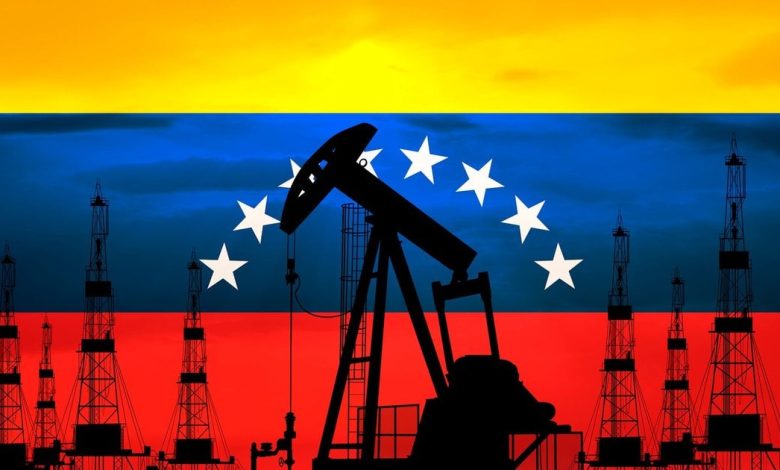
Venezuela holds the world’s largest crude reserves, estimated at 303 billion barrels, but its output is less than one per cent of global supply. This collapse is a result of prolonged underinvestment, corruption and a loss of skilled labour under the nationalisation policies of Hugo Chávez and Nicolás Maduro.
The situation presents a case study in the challenges of reviving a dormant, world-class resource base, a scenario familiar to mining corporations assessing assets in politically complex regions.
Experts suggest a full revival could require a decade of work and substantial capital. Bob McNally, President of Rapidan Energy Group, says: “Just stabilising existing production will require low single-digit billions of dollars for workovers, power, water handling and export infrastructure repairs.”
The scale of this reconstruction, from power generation to export terminals, mirrors the foundational work required to establish or reopen major mining operations.
Chevron, with its existing 20% share of Venezuelan output under a US sanctions waiver, is well-positioned to expand its role. Other firms like Exxon Mobil and ConocoPhillips, which left Venezuela after their assets were expropriated, have so far been more cautious about re-entering the country.
Bob McNally, President of Rapidan Energy Group, says: “Just stabilising existing production will require low single-digit billions of dollars for workovers, power, water handling and export infrastructure repairs.”
Credit: Source link