How Kentucky is working to crack down on crypto kiosk scams
Two bills are currently making their way through Frankfort that look to prevent a scam that has cost Kentuckians millions of dollars through cryptocurrency kiosks. House Bill 380, sponsored by Rep. Tom Smith, and Senate Bill 189, sponsored by Sen. Steve Rawlings, both add regulation to these kiosks to protect consumers. Crypto kiosks look just like an ATM, but they aren’t, and they can be found at grocery stores, in gas stations, and more. They connect users to the internet to exchange cash or card payments for cryptocurrency, transferring it directly to a user’s digital wallet.While the kiosks themselves aren’t fraudulent, scammers have learned to exploit them due to the speed and irreversibility of transactions. It’s something AARP Kentucky, along with the FBI Louisville office, is working to educate people about. During a hearing in Frankfort on Wednesday on HB 380, Harold Miller testified about his experience of being targeted. The Navy veteran who lives in Danville was driving to a friend’s house when he got a call. “He said he was a corporal with the Boyle County Sheriff’s Office and that there were warrants out for my arrest,” said Miller. They demanded $15,000 and told him to deposit the money into a crypto kiosk. He soon caught on that it was a scam, but he says the scammers fed on his fear. “They have a script that they follow through with,” said Miller. “And it was a professional script. They use good terms. They had the numbers for the warrants. They identified themselves. No accents. These guys were Americans.”While Miller held onto his money, AARP Kentucky, alongside Montgomery County Sheriff David Charles, both testified on Wednesday that many have not been so lucky, losing thousands of dollars. These machines can transfer money overseas within seconds to minutes, without the delay of a traditional financial institution. And once the money is gone, it’s gone. “There’s no way for us to trace that money as a local agency or a state agency,” said Charles. WLKY sat down with Supervisory Special Agent William Kurtz with the FBI in Louisville. He says even for the FBI, it can be hard to recoup that money. “And so, you know, frankly, from a law enforcement perspective, we prefer when things go through traditional banks because we have the ability to recover those assets in a much more efficient way,” said Kurtz. “Cryptocurrency makes that harder.”The FBI in Louisville provided WLKY with the latest stats.They say there are around 400 to 450 crypto kiosks in Kentucky, with around 200 to 250 of those in the Louisville area, which includes Jeffersonville and New Albany. In 2025, cyber-enabled fraud accounted for approximately $106 million in losses in Kentucky. Of the $106 million in losses, crypto-related losses accounted for approximately $60 million. Scammers use a variety of methods to contact victims, from social media, dating sites, and even by buying your personal information online. “And getting what we call lead sheets, or using those to generate calls and trying to contact as many different potential victims as they can,” said Kurtz. “We see older Americans being victimized more, I think, for a variety of reasons. One, our seniors are often lonely and don’t necessarily have the support structure in their family to catch on to the red flags that are happening.”Kurtz says cryptocurrency is just the new take on an old fraud scheme, like using gift cards to scam people. Gary Adkins, the Volunteer State President for AARP Kentucky and a former prosecutor, says that’s because scammers can move a lot more money through crypto. “So these scammers could require people to put in thousands of dollars,” said Adkins. “And I’ve heard stories from law enforcement of losses of $85,000, of $19,000, of $15,000. These are big money items.””As a former prosecutor for the state, I’ve seen violent crime,” added Adkins. “I’ve seen frauds and scams. And when you have crimes of this sort and the stealing of money of our citizens, there’s a physical aspect to it, and there’s an emotional aspect, and you can’t get over that. And while it’s a nonviolent crime, it is actually a violent crime.” AARP advocated for HB 380 on Wednesday, saying there needs to be guardrails around these kiosks to prevent people from getting scammed. Rep. Smith introduced a committee substitute of the bill on Wednesday that would establish daily transaction caps, criminal penalties, and more. “So there’s a lot of teeth in this thing,” said Smith. “And also one thing that the chairman and I wouldn’t budge on, and that was identification. So every transaction done in the kiosk machine will be identified.”CoinFlip, which is a crypto company that operates kiosks in Kentucky, had a representative speak at the hearing as well on Wednesday.CoinFlip has operated its cryptocurrency kiosks in Kentucky since 2018 and supports nearly 10,000 customers throughout the state, according to a company statement to WLKY. The company says its kiosks have a “Safe in Six” framework, which includes six screening questions related to scams that people must read through before they continue. While the company includes warnings, they also said on Wednesday that they support HB 380. “We can’t speak for the entire industry, but we take consumer protection seriously and hold ourselves to the highest standards of compliance and transparency,” a company spokesperson said in a statement to WLKY. “As evidenced by our strong public support of legislation, we believe in commonsense rules and clear disclosures, and want everyone in the industry to be held to the same high standards we meet voluntarily. CoinFlip takes pride in working constructively with policymakers and thanks Chairman Meredith, Rep. Smith, and Sen. Rawlings for their collaborative approach to this bill. We look forward to continuing to work together to pass smart regulation that protects Kentucky residents from bad actors while allowing them the freedom to purchase cryptocurrency in the way that suits them best.” WLKY also reached out to other companies that operate within the state, including Bitcoin Depot. “Bitcoin Depot supports reasonable, effective consumer protections and shares lawmakers’ goal of preventing scams and illicit activity. Crypto ATMs are used by a wide range of people, often for smaller transactions like sending money or trying digital currency for the first time, and it’s important that those users feel informed and protected. We’ve invested significantly in compliance and fraud-prevention tools across our network, including being one of the only major operators to begin a phased roll-out of a new requirement for an ID with every transaction — as well as robust transaction monitoring and customer education to help detect suspicious activity and better protect users. We work closely with regulators and law enforcement to address fraud when it occurs, maintain licenses where required, and provide scam warnings and clear disclosures to customers before transactions are completed. As lawmakers consider new rules, it’s important to strike a balance, strengthening consumer safeguards while still allowing responsible access to these services for people who rely on them. We support collaboration between policymakers, regulators, and the industry to ensure regulations are effective and practical for consumers.” The FBI says never transfer money to someone you don’t know, and adds that government agencies would never ask for money through crypto. They also offer resources to identify a scam. If you feel that you are a victim of a cryptocurrency investment fraud, the FBI says to stop sending any money to the suspected criminals, file a report at the FBI’s Internet Crime Complaint Center at ic3.gov. AARP also offers a Fraud Watch Network Hotline at 877-908-3360.Currently, 17 states have passed laws regulating crypto kiosks.
Two bills are currently making their way through Frankfort that look to prevent a scam that has cost Kentuckians millions of dollars through cryptocurrency kiosks.
House Bill 380, sponsored by Rep. Tom Smith, and Senate Bill 189, sponsored by Sen. Steve Rawlings, both add regulation to these kiosks to protect consumers.
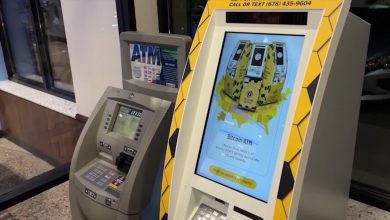
Crypto kiosks look just like an ATM, but they aren’t, and they can be found at grocery stores, in gas stations, and more.
They connect users to the internet to exchange cash or card payments for cryptocurrency, transferring it directly to a user’s digital wallet.
While the kiosks themselves aren’t fraudulent, scammers have learned to exploit them due to the speed and irreversibility of transactions.
It’s something AARP Kentucky, along with the FBI Louisville office, is working to educate people about.
During a hearing in Frankfort on Wednesday on HB 380, Harold Miller testified about his experience of being targeted.
The Navy veteran who lives in Danville was driving to a friend’s house when he got a call.
“He said he was a corporal with the Boyle County Sheriff’s Office and that there were warrants out for my arrest,” said Miller.
They demanded $15,000 and told him to deposit the money into a crypto kiosk.
He soon caught on that it was a scam, but he says the scammers fed on his fear.
“They have a script that they follow through with,” said Miller. “And it was a professional script. They use good terms. They had the numbers for the warrants. They identified themselves. No accents. These guys were Americans.”
While Miller held onto his money, AARP Kentucky, alongside Montgomery County Sheriff David Charles, both testified on Wednesday that many have not been so lucky, losing thousands of dollars.
These machines can transfer money overseas within seconds to minutes, without the delay of a traditional financial institution.
And once the money is gone, it’s gone.
“There’s no way for us to trace that money as a local agency or a state agency,” said Charles.
WLKY sat down with Supervisory Special Agent William Kurtz with the FBI in Louisville. He says even for the FBI, it can be hard to recoup that money.
“And so, you know, frankly, from a law enforcement perspective, we prefer when things go through traditional banks because we have the ability to recover those assets in a much more efficient way,” said Kurtz. “Cryptocurrency makes that harder.”
The FBI in Louisville provided WLKY with the latest stats.
They say there are around 400 to 450 crypto kiosks in Kentucky, with around 200 to 250 of those in the Louisville area, which includes Jeffersonville and New Albany.
In 2025, cyber-enabled fraud accounted for approximately $106 million in losses in Kentucky. Of the $106 million in losses, crypto-related losses accounted for approximately $60 million.
Scammers use a variety of methods to contact victims, from social media, dating sites, and even by buying your personal information online.
“And getting what we call lead sheets, or using those to generate calls and trying to contact as many different potential victims as they can,” said Kurtz. “We see older Americans being victimized more, I think, for a variety of reasons. One, our seniors are often lonely and don’t necessarily have the support structure in their family to catch on to the red flags that are happening.”
Kurtz says cryptocurrency is just the new take on an old fraud scheme, like using gift cards to scam people.
Gary Adkins, the Volunteer State President for AARP Kentucky and a former prosecutor, says that’s because scammers can move a lot more money through crypto.
“So these scammers could require people to put in thousands of dollars,” said Adkins. “And I’ve heard stories from law enforcement of losses of $85,000, of $19,000, of $15,000. These are big money items.”
“As a former prosecutor for the state, I’ve seen violent crime,” added Adkins. “I’ve seen frauds and scams. And when you have crimes of this sort and the stealing of money of our citizens, there’s a physical aspect to it, and there’s an emotional aspect, and you can’t get over that. And while it’s a nonviolent crime, it is actually a violent crime.”
AARP advocated for HB 380 on Wednesday, saying there needs to be guardrails around these kiosks to prevent people from getting scammed.
Rep. Smith introduced a committee substitute of the bill on Wednesday that would establish daily transaction caps, criminal penalties, and more.
“So there’s a lot of teeth in this thing,” said Smith. “And also one thing that the chairman and I wouldn’t budge on, and that was identification. So every transaction done in the kiosk machine will be identified.”
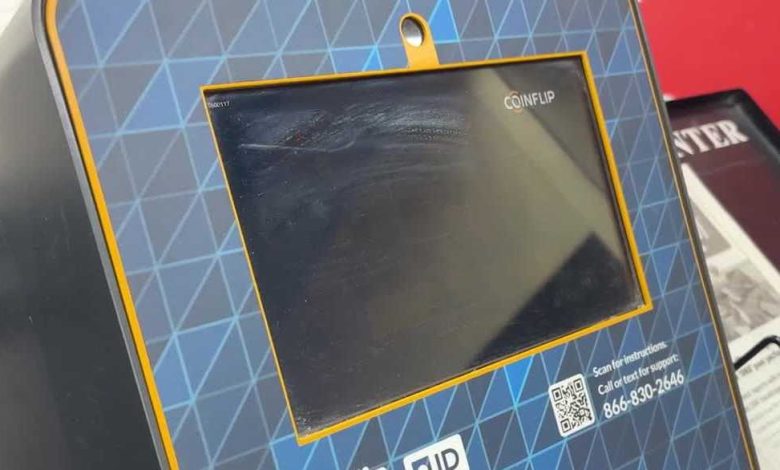
CoinFlip, which is a crypto company that operates kiosks in Kentucky, had a representative speak at the hearing as well on Wednesday.
CoinFlip has operated its cryptocurrency kiosks in Kentucky since 2018 and supports nearly 10,000 customers throughout the state, according to a company statement to WLKY.
The company says its kiosks have a “Safe in Six” framework, which includes six screening questions related to scams that people must read through before they continue.
While the company includes warnings, they also said on Wednesday that they support HB 380.
“We can’t speak for the entire industry, but we take consumer protection seriously and hold ourselves to the highest standards of compliance and transparency,” a company spokesperson said in a statement to WLKY. “As evidenced by our strong public support of legislation, we believe in commonsense rules and clear disclosures, and want everyone in the industry to be held to the same high standards we meet voluntarily. CoinFlip takes pride in working constructively with policymakers and thanks Chairman Meredith, Rep. Smith, and Sen. Rawlings for their collaborative approach to this bill. We look forward to continuing to work together to pass smart regulation that protects Kentucky residents from bad actors while allowing them the freedom to purchase cryptocurrency in the way that suits them best.”
WLKY also reached out to other companies that operate within the state, including Bitcoin Depot.
“Bitcoin Depot supports reasonable, effective consumer protections and shares lawmakers’ goal of preventing scams and illicit activity. Crypto ATMs are used by a wide range of people, often for smaller transactions like sending money or trying digital currency for the first time, and it’s important that those users feel informed and protected. We’ve invested significantly in compliance and fraud-prevention tools across our network, including being one of the only major operators to begin a phased roll-out of a new requirement for an ID with every transaction — as well as robust transaction monitoring and customer education to help detect suspicious activity and better protect users. We work closely with regulators and law enforcement to address fraud when it occurs, maintain licenses where required, and provide scam warnings and clear disclosures to customers before transactions are completed. As lawmakers consider new rules, it’s important to strike a balance, strengthening consumer safeguards while still allowing responsible access to these services for people who rely on them. We support collaboration between policymakers, regulators, and the industry to ensure regulations are effective and practical for consumers.”
The FBI says never transfer money to someone you don’t know, and adds that government agencies would never ask for money through crypto.
They also offer resources to identify a scam.
If you feel that you are a victim of a cryptocurrency investment fraud, the FBI says to stop sending any money to the suspected criminals, file a report at the FBI’s Internet Crime Complaint Center at ic3.gov.
AARP also offers a Fraud Watch Network Hotline at 877-908-3360.
Currently, 17 states have passed laws regulating crypto kiosks.