IRS conducted 505,514 audits last tax season. Here’s what to do if you’re selected.
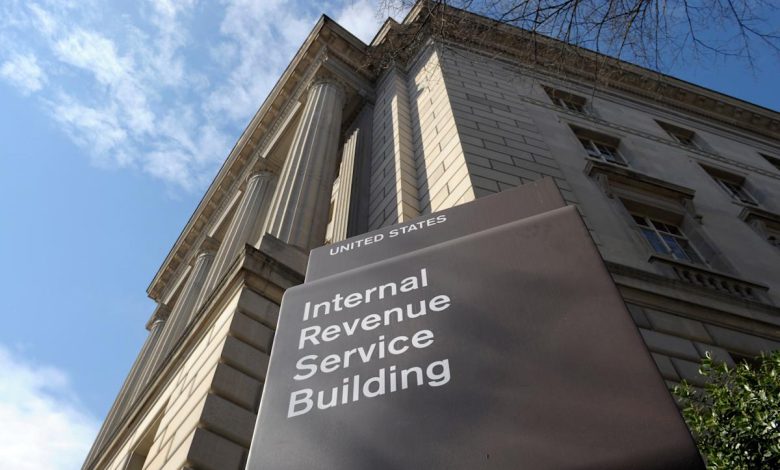
Out of roughly 266 million tax returns the IRS processed for fiscal year 2024, just 505,514 were audited —that’s about 0.19%, or fewer than 2 out of every 1,000 returns.
In other words, getting audited is rare — and it doesn’t automatically mean you did anything wrong. But what actually is an IRS audit, and how does the process work if you’re selected?
The IRS says an audit “is a review/examination of an organization’s or individual’s books, accounts and financial records to ensure information reported on their tax return is reported correctly according to the tax laws and to verify the reported amount of tax is correct.”
So, what triggers an audit? Today, IRS audits aren’t just random — they’re increasingly driven by algorithms and machine learning models that flag returns with the highest likelihood of errors. Another trigger is transactions on your return with a taxpayer or entity that was also selected for an audit.
But before an audit happens, a human IRS employee will look at your return and make a final decision to move forward.
Remember: An audit doesn’t mean you’ve done anything illegal. It simply means the IRS wants to verify items on your tax return, such as income, deductions, expenses, and credits.
Learn more: Tax credit vs. deduction: Which is better?
If the IRS selects you for an audit, you will find out by mail. You won’t receive a phone call, email, or text. If you do, it’s probably a scam, so dive deeper before replying or complying with a request. Also, nobody will show up randomly at your home or business to audit you. If someone needs to pay you a visit, it will be after a mail notification and a coordinated phone call.
You can determine if any letter you receive is legitimate by searching the IRS “Understanding your IRS notice or letter” page using the CP or LTR number found on the right corner of the letter.
After you determine the letter from the IRS is real, read it carefully and look for any action items and deadlines. If you have to respond, make sure you do it by the due date.
As a taxpayer, you have rights, including:
-
A right to professional and courteous treatment by IRS employees
-
A right to privacy and confidentiality about tax matters
-
A right to know why the IRS is asking for information, how the IRS will use it, and what will happen if the requested information is not provided
-
A right to representation, by oneself or an authorized representative
-
A right to appeal disagreements, both within the IRS and before the courts
Keep these in mind as you proceed through the audit process.
Note: If you don’t respond to the IRS, that doesn’t mean the audit will go away. It means the IRS will complete the audit with the information they have and send you a report with proposed changes to your tax return.
The IRS will conduct an audit in one of two ways: either by mail or in person.
In fiscal year 2024, 77.9% of IRS audits were “correspondence audits” (done by mail). If it’s by mail, the letter you receive notifying you of the audit will request information. It might ask you for additional information about items on your tax return, like expenses, income, and itemized deductions. You might also have to fill out a questionnaire.
If you have too many documents or don’t want to mail them, you can request an in-person audit using the contact information in the letter. Sometimes you can also upload documents using a secure upload tool (your letter will tell you how to do this).
For fiscal year 2024, 22.1% of audits were conducted in person. An in-person audit can be at an IRS office, at an accountant or representative’s office, or at the home or business of the taxpayer.
Not only will the letter from the IRS give you instructions, but it will also give you deadlines.
If you can’t meet those deadlines, don’t panic. Usually, you can get an automatic 30-day extension, but you have to ask for it. If your audit will be via mail, the letter you received will have a fax number where you can send an extension request. If you can’t send a fax, you can mail your extension request to the mailing address on the letter.
For an in-person audit, contact your auditor and ask for an extension.
While extensions for regular audits are usually allowed, there will be no extension if you received a “Notice of Deficiency” by certified mail. You will have only the 90 days as stated in the letter.
The good thing is, the IRS will tell you what they need to conduct your audit. Chances are, you’ll need to provide the same documents you used to prepare your return.
The IRS will give you a list of specific documents they want to see to support the numbers on your tax return. Each audit is different, but you’re likely to need several of the following documents:
-
Receipts, with notes showing what they’re for
-
Bills, including the date, the name of the person receiving payment, and what it was for
-
Canceled checks
-
Legal papers
-
Loan agreements
-
Logs or diaries
-
Travel tickets or documents, grouped together by trip
-
Lottery tickets showing proof of profit or loss
-
Medical or dental records
-
Anything showing theft or loss
-
Employment documents like W-2s, reimbursement statements, etc.
-
Schedule K-1s
Don’t just send your documents on their own — include an explanation of what the document is and the circumstances surrounding it.
The IRS suggests organizing your documents to save everyone time and stress. You might want to organize everything by year, type of transaction, and possibly include a summary page, listing everything you’ve included in your documentation.
Once you have your documents together, you can send them to the address on your letter. In some cases, you can send some or all your documents digitally. But don’t send originals in the mail — keep those and send copies to the IRS.
Make sure to request delivery confirmation with the mailing service you use so you know the IRS received the documents.
If the audit is in person, bring everything with you to the audit appointment.
One thing to note: Not having a record doesn’t mean you’re off the hook. You’re required to keep all the records you used to prepare your return for at least three years from the date you filed your tax return.
Learn more: How long do I need to keep tax documents?
There really is no set time limit for an IRS audit. The complexity of the audit and the availability of both you and the auditor can impact how long the audit will take. It also depends on whether you agree or disagree with what the audit finds. If you disagree with the audit’s findings, you can appeal or request an appeal mediation through Alternative Dispute Resolution (ADR).
You can check on the progress of your audit by calling 866-897-0177 or 866-897-0161.
You can also check the status online using your IRS account. After logging in, go to the “Records and Status” tab. You should see the date the audit started, when the IRS sent you letters, and what needs to happen next.
After the IRS has reviewed your documents, the agency will notify you with a report of the findings in a letter.
It could go one of four ways:
-
No change to your return: If what you sent sufficiently explains your return, the case will be closed with no changes.
-
Insufficient information: If the documentation sent is insufficient, the IRS will send you a letter to let you know what they need to resolve your case.
-
Agree with the changes: If the IRS proposes changes and you understand and agree with them, the letter will include instructions on what to do next to close your case.
-
Disagree with the changes: The IRS has proposed changes, and while you understand them, you disagree with them. In this case, you can file an appeal or request a conference with an IRS manager, usually within 30 days.
The IRS does not publish a list of things that will increase or decrease your chances of getting audited, but it does say it uses tools to determine if income, expenses, and credits are accurately reported. If that’s the case, accurately reporting those things might decrease your chances of being audited.
When you receive an audit letter from the IRS, it will specify the documents you need to provide.
The IRS publishes a list of records it might request. Usually, they are documents to support the income, credits, or deductions you put on your return. Chances are, they’re the same documents you used to complete your return in the first place.
The IRS can include returns filed within the last three years and may need additional years, but generally, the IRS doesn’t go back more than the last six years. But it’s more likely that the audit will be for returns filed within the last two years—the IRS tries to audit as soon as possible after filing.
If you disagree with what the audit finds, you can appeal or request an appeals mediation through Alternative Dispute Resolution (ADR).