Micron Sparks Global Semiconductor Stock Rally In 2026
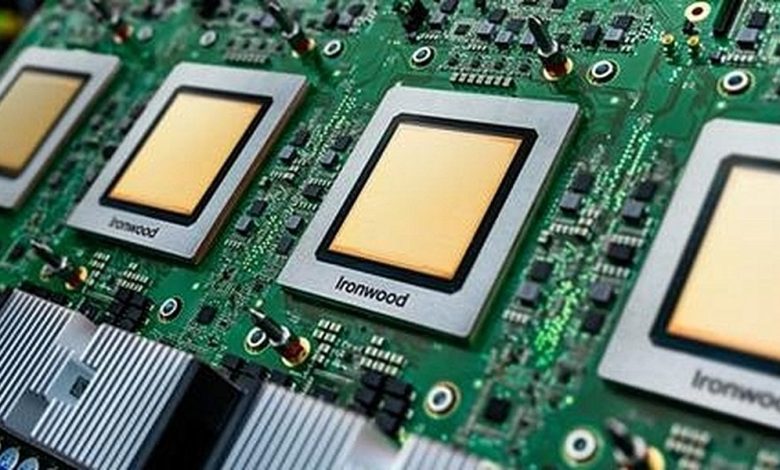
On February 12, 2026, semiconductor stocks surged across global markets, fueled by a potent mix of strong earnings, upbeat forecasts, and a wave of investor optimism following Micron Technology’s standout performance on Wall Street. As the sun rose on the Korean financial landscape, local semiconductor giants like Samsung Electronics and SK Hynix found themselves riding a wave of momentum that began hours earlier in New York, where Micron’s stock price had soared nearly 10% in a single session.
The catalyst? According to Hana Securities, the answer lies in both the numbers and the narrative. On February 11, 2026 (local US time), Micron’s Chief Financial Officer Mark Murphy took the stage at the Wolfe Research Conference to announce that shipments of the company’s next-generation high-bandwidth memory, HBM4, had officially begun. Murphy went further, addressing swirling rumors about Micron’s role in Nvidia’s supply chain: “Reports claiming exclusion from Nvidia’s next-gen supply chain were inaccurate,” he stated, firmly dispelling recent speculation. He emphasized that HBM4 was now in mass production and that shipments to customers had started a full year ahead of schedule—a move that sent a clear signal to the market about Micron’s operational prowess and strategic positioning.
The market’s response was immediate and emphatic. As reported by TopStarNews, Micron’s stock closed at $410.34, up 9.94% from the previous day’s closing price of $373.25. The trading day saw the stock range from a low of $386.57 to a high of $414.16, with more than 47 million shares changing hands—reflecting a staggering $19.1 billion in trading value. The company’s market capitalization reached $461.8 billion, a testament to its growing clout in the semiconductor sector. After the closing bell, the momentum continued, with shares climbing an additional 1.25% in after-hours trading to $415.48.
It wasn’t just Micron basking in the glow. The positive sentiment radiated outward, energizing semiconductor stocks across the board. The VanEck Semiconductor ETF (SMH), a bellwether for the sector, jumped 2.71% during the session, while the Philadelphia Semiconductor Index closed up 2.28%. Nvidia, another heavyweight in the chip world, saw its shares rise 1.56%. As Choice Economy noted, this was all happening in a broader market environment marked by mixed signals: while the S&P 500 eked out a modest gain, other major indices like the Dow Jones and Nasdaq slipped, weighed down by rising US Treasury yields and a robust jobs report that dampened hopes for imminent interest rate cuts.
Investors’ eyes quickly turned eastward, where the ripple effects were felt almost instantly. In pre-market trading on February 12, 2026, Samsung Electronics’ shares jumped 1.97% to 171,100 KRW, breaking the symbolic 170,000 KRW barrier and earning the moniker ‘17man Jeonja’ (the 170,000-won electronics stock). SK Hynix climbed 2.67% to 883,000 KRW, while semiconductor materials and equipment players like Hanmi Semiconductor (+5.25%), DI (+9.37%), and Mico (+3.04%) also surged. Even SK Square, which holds a significant stake in SK Hynix, saw its shares rise by 3.77%.
What’s behind this synchronized rally? According to Hana Securities, the answer is both structural and cyclical. The research center emphasized that “semiconductor supply and demand is expected to remain tight through 2026,” citing ongoing large-scale investments by big tech companies as a key driver of sustained demand. The firm highlighted that Chinese tech giant ByteDance is currently in talks with Samsung Electronics to co-develop AI chips, with plans to produce at least 100,000 units this year—a development that underscores how artificial intelligence is reshaping the competitive landscape and fueling new demand for high-performance memory and processing solutions.
Adding to the bullish outlook, Hana Securities pointed to upward revisions in DRAM and NAND flash memory prices for the first quarter of 2026. These price increases are expected to further boost the earnings of leading semiconductor firms such as SK Hynix, Samsung Electronics, Hanmi Semiconductor, and others. “The positive earnings expectations for semiconductor stocks remain valid,” the firm stated, reflecting a consensus view that the sector’s fundamentals are strengthening.
Meanwhile, the broader US economic backdrop provided both headwinds and tailwinds. The US Department of Labor reported that nonfarm payrolls grew by 130,000 in January 2026, nearly doubling analysts’ expectations. The unemployment rate ticked down to 4.3% from 4.4%. While this robust jobs data was generally seen as a sign of economic health, it also contributed to a rise in US Treasury yields—making equities less attractive by comparison and tempering some of the enthusiasm in the broader market. Nevertheless, as Choice Economy observed, semiconductor stocks bucked the trend, proving their resilience and sensitivity to industry-specific catalysts.
Micron’s financials, as detailed by TopStarNews, paint a picture of a company on solid footing. With a price-to-earnings ratio of 38.73, earnings per share of $10.60, and a price-to-book ratio of 7.86, the firm is trading at a premium—reflecting high expectations for future growth. Its dividend yield, at 0.12%, is modest, but the real story is in its capital gains and the strategic bets it’s making on next-generation memory technologies.
For Korean investors, the message from Hana Securities was clear: semiconductors are the theme of the day, and companies like Samsung Electronics, SK Hynix, Hanmi Semiconductor, PSK Holdings, Techwing, TES, Zeus, and EO Technics are all in the spotlight. The sector is being buoyed not only by global demand for chips but also by a sense that the long-awaited upturn in the memory market is finally taking hold.
Of course, not every stock joined the rally. In the pre-market, some names like Hugel (-3.17%), Hwashin (-2.80%), and Qurient (-2.48%) started the day in the red, a reminder that risk and volatility remain ever-present in the markets. Yet, for the semiconductor sector at least, the mood was unmistakably upbeat.
As the trading day unfolded, it became clear that the surge in semiconductor stocks was more than just a fleeting reaction to a single company’s announcement. It was a reflection of deeper trends: the relentless advance of artificial intelligence, the strategic importance of memory and logic chips, and the growing realization that the world’s digital infrastructure depends on a handful of companies pushing the boundaries of what’s possible. In this high-stakes arena, every earnings beat, product launch, and supply chain update has the power to move markets and capture the world’s attention.
With demand outstripping supply, prices on the rise, and the world’s biggest tech firms doubling down on their semiconductor investments, the sector looks set to remain at the center of the financial conversation—for now, at least.