Munis Weathered Volatility in Turbulent First Quarter
Got story updates? Submit your updates here. ›
The municipal bond market showed resilience in the first quarter of 2026 despite being buffeted by volatility stemming from the outbreak of war between the U.S. and Iran. While muni yields rose alongside Treasuries, investors remained engaged, and the sector posted positive returns overall before a downturn in March. Looking ahead, analysts see opportunities for duration extensions and active security selection as the market navigates elevated inflation, shifting Federal Reserve policy, and ongoing geopolitical risks.
Why it matters
The municipal bond market’s performance in the first quarter provides insights into how it is weathering a period of heightened economic and geopolitical uncertainty, with implications for issuers, investors, and the broader public finance ecosystem.
The details
The municipal bond market saw strong issuance and positive returns through the first two months of 2026, but volatility spiked in March following a U.S. attack on Iranian nuclear facilities that escalated into a full-blown conflict. This geopolitical shock sent Treasury yields and oil prices surging, leading to a selloff in the muni market that erased earlier gains. However, investors remained engaged, drawn to the sector’s attractive yields and relative value. Analysts now see opportunities for duration extensions and active security selection as the market navigates elevated inflation, shifting Federal Reserve policy, and ongoing geopolitical risks.
- The U.S. attacked Iranian nuclear facilities on February 28, 2026, sparking a conflict.
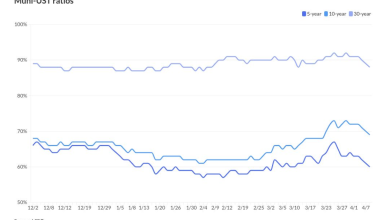
- Muni yields rose sharply in March 2026 as the war escalated, with the 10-year AAA yield climbing 60 basis points from its low to high during the quarter.
- The Bond Buyer’s Texas Public Finance Conference was held from March 30 to April 1, 2026.
The players
Jeff Lipton
The Bond Buyer’s Market Intelligence analyst who authored the article.
Jerome Powell
The Federal Reserve Chair who stated in a speech at Harvard University that the Fed is poised to “look through” the oil price shock caused by the war.
What they’re saying
“If only I had a crystal ball! As I sat down to pen my 2026 municipal market outlook, there were plenty of policy issues to consider.”
— Jeff Lipton, Market Intelligence Analyst
“The vast majority of participants judged that risks to the employment side of the mandate were skewed to the downside.”
— Federal Reserve Officials
What’s next
The judge in the case will decide on Tuesday whether or not to allow Walker Reed Quinn out on bail.
The takeaway
This case highlights growing concerns in the community about repeat offenders released on bail, raising questions about bail reform, public safety on SF streets, and if any special laws to govern autonomous vehicles in residential and commercial areas.