President Trump orders US government to stop using Anthropic tech amid Pentagon feud
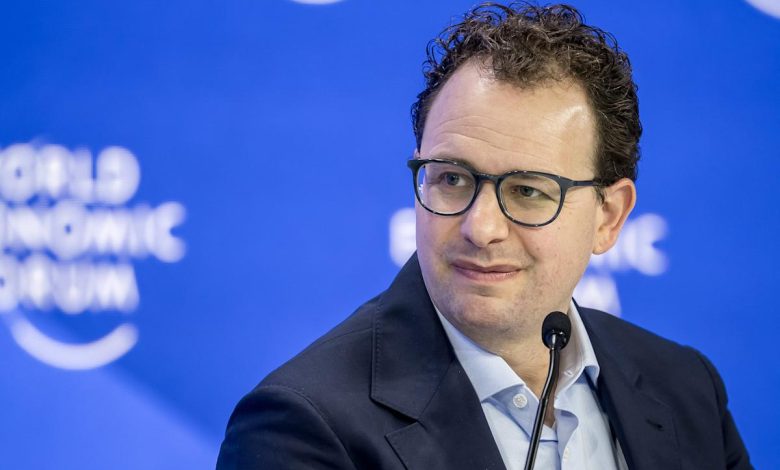
Anthropic (ANTH.PVT) CEO Dario Amodei issued a statement Thursday evening, saying his company won’t submit to the Department of Defense’s demands that it be allowed to use its AI technology as it sees fit, within the law.
The Defense Department and Secretary of Defense Pete Hegseth have threatened to force Anthropic to give the Pentagon full use of its models under the Defense Production Act — or, conversely, declare it a supply chain threat and force other Pentagon vendors who work with the AI company to stop using its software.
“These threats do not change our position: we cannot in good conscience accede to their request,” Amodei said in his statement.
Anthropic and the Pentagon have been in an ongoing standoff about how the DOD will use its Claude AI. The company says that while it already works with the Defense Department, including within the government’s classified networks and by advocating for strong chip export controls to China, it wants assurances that the DOD will not use its models for the mass surveillance of Americans or for fully autonomous weapons.
Earlier Thursday, chief Pentagon spokesman Sean Parnell said the DOD had no desire to surveil Americans or develop fully autonomous weapons.
“This is a simple, common-sense request that will prevent Anthropic from jeopardizing critical military operations and potentially putting our warfighters at risk. We will not let ANY company dictate the terms regarding how we make operational decisions. They have until 5:01 PM ET on Friday to decide,” Parnell wrote in a post on X.
In a separate statement, an Anthropic spokesperson said the DOD’s latest contract language doesn’t address the company’s concerns.
“The contract language we received overnight from the Department of War made virtually no progress on preventing Claude’s use for mass surveillance of Americans or in fully autonomous weapons,” the spokesperson said.
“New language framed as compromise was paired with legalese that would allow those safeguards to be disregarded at will. Despite DOW’s recent public statements, these narrow safeguards have been the crux of our negotiations for months.”