Rising oil prices drag stocks lower amid Iran tensions
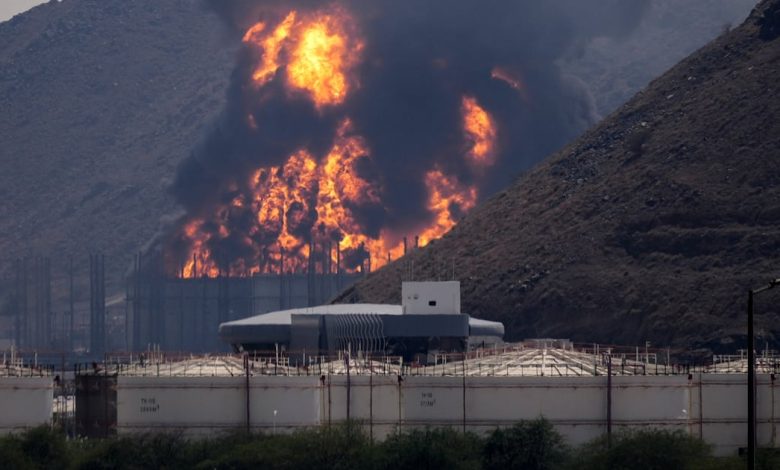
Global stocks and bonds are under pressure as oil prices climb, with uncertainty growing around Iran’s willingness to engage in ceasefire talks with the United States.
BNN Bloomberg spoke with Chhad Aul, chief investment officer and head of multi-asset solutions at SLGI Asset Management, about how oil’s role as a hedge, shifting equity positioning and sector preferences are shaping portfolio strategy.
Key Takeaways
- Oil has been the most effective hedge during the conflict, as stocks and bonds have declined together amid rising yields.
- A lasting risk premium in oil is likely, with disruptions in the Strait of Hormuz reinforcing its role as a key geopolitical chokepoint.
- The equity selloff may be nearing exhaustion, with markets positioned for stronger upside on positive developments.
- Expectations for central bank rate hikes tied to oil-driven inflation appear overdone given softer economic and labour conditions.
- Investors are favouring commodities, resource equities and defensive sectors, while underweighting technology and discretionary stocks.
Read the full transcript below:
LINDSAY: Stocks and bonds are falling globally as the price of oil rises and uncertainty mounts regarding Iran’s willingness to engage in ceasefire talks with the U.S. Our next guest says even if the conflict is resolved, oil is likely to keep a risk premium because investors have now seen what happens when the Strait of Hormuz is disrupted, and how quickly that can shake global markets. Let’s get more now from Chhad Aul, chief investment officer and head of multi-asset solutions at SLGI Asset Management. Good morning. Thanks for joining us.
CHHAD: Morning.
LINDSAY: You say from a portfolio perspective, positions in crude oil have been the best hedge since the war broke out. Is that still the case, even as we see this conflict continue? And why?
CHHAD: It certainly has been. Traditional diversification between stocks and bonds in a portfolio hasn’t really paid off this time around. When it comes to conflict in the Middle East, the primary concern for markets is the oil price, and fixed-income markets are more focused on the inflationary impact. So you’ve seen yields rising and bonds falling alongside stock markets, meaning you’re not getting that diversification benefit.
Positions in crude oil, like you mentioned, have been by far the best hedge. It’s something we’ve tactically held through long positions. Even as this conflict reaches some sort of resolution, we expect some risk premium to remain in oil prices. You’re also likely to see that feed through into the broader commodity complex. That’s one reason why strategic positions in commodities within a portfolio continue to make sense, something we’ve been doing over the past couple of years as inflation risks have come to the forefront.
LINDSAY: I want to pick up on that. When you talk about higher prices bleeding across the commodity complex, which areas specifically? And what strategic positions should investors be considering?
CHHAD: It starts with energy, and then those higher energy prices flow through because they are inputs across the commodity complex. For example, soft commodities like food are impacted, as energy prices influence fertilizer costs, which then affect agricultural prices. That’s one clear example of how higher oil and natural gas prices can push other commodity prices higher as well.
LINDSAY: You say the selloff in stocks may have reached a point of exhaustion. Do you believe the selloff is done at this point?
CHHAD: Not necessarily. We may still see some further downside. But when we look at various models that gauge investor sentiment and positioning, we think we’re getting closer to a point where selling is becoming exhausted.
On a short-term basis, the upside from positive developments is likely greater than the downside from negative developments. From that perspective, we’re positioning a bit more toward taking risk. We’ve added overweight positions in U.S. equities, shifting from earlier in the month when we were underweight, particularly in international markets. It’s a marginal shift, but one that reflects where we see opportunities.
LINDSAY: When we talk about the selloff, are there specific sectors where you’re seeing more pressure, or where investors should be buying the dip?
CHHAD: From a sector perspective, we’re taking a bit of a barbell approach. We favour resource sectors, which ties back to commodities. Having exposure to energy and materials within an equity portfolio is another way to play that theme.
We also favour more defensive areas like consumer staples and health care. At the same time, we’re avoiding discretionary stocks and remain underweight the technology sector for now. That combination forms the barbell positioning we’re using.
LINDSAY: Why is it best to avoid the technology sector right now?
CHHAD: Many portfolios already have significant exposure to technology due to its weighting. Earlier this year, before the conflict escalated, there was a strong focus on the AI theme, but that came with headwinds.
There were questions around whether spending by hyperscalers on AI infrastructure would deliver returns. At the same time, there were concerns in areas like software about disruption from AI. That discussion has taken a back seat for now, but it could come back into focus in the next earnings season. So we’re downplaying exposure there and focusing more on defensive and resource allocations.
LINDSAY: You also say you don’t believe the spike in oil prices will drive an inflationary spiral like we saw in 2022. Why not?
CHHAD: That ties into what’s currently being priced in for central banks. Markets are starting to price in potential rate hikes in response to higher oil prices, and we think that’s overdone.
In 2022, the conditions were very different. We were coming out of the pandemic with excess savings, a very tight labour market and strong demand, which allowed higher energy prices to feed into broader inflation, including services.
Today, the economy has been cooling for several quarters, and the labour market is not nearly as tight. That reduces the likelihood of wage pressures driving sustained inflation. So we don’t expect higher oil prices to trigger the same kind of inflationary spiral.
In fact, higher oil prices could act as a drag on growth, which may push central banks to support the economy rather than tighten policy. That’s why we think expectations for rate hikes based solely on oil are somewhat overstated.
LINDSAY: Chhad Aul, chief investment officer and head of multi-asset solutions at SLGI Asset Management. Appreciate your time. Thanks so much.
—
This BNN Bloomberg summary and transcript of the March 26, 2026 interview with Chhad Aul are published with the assistance of AI. Original research, interview questions and added context was created by BNN Bloomberg journalists. An editor also reviewed this material before it was published to ensure its accuracy and adherence with BNN Bloomberg editorial policies and standards.