The nullification of Trump’s tariffs is causing extreme volatility in financial markets around the w..
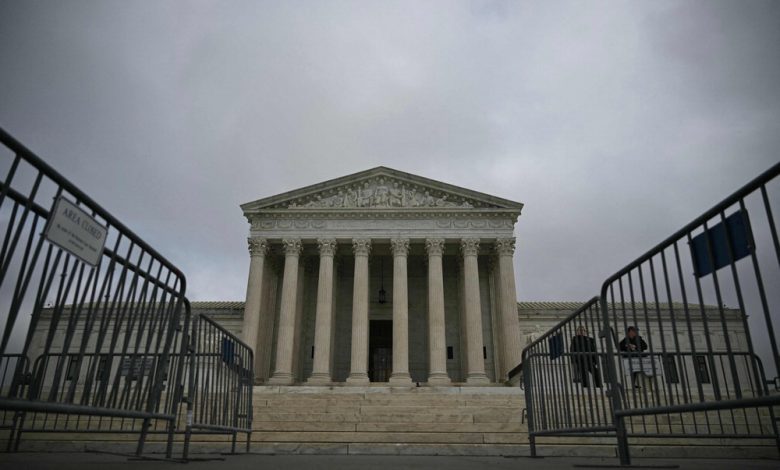
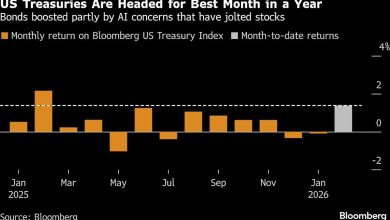
The nullification of Trump’s tariffs is causing extreme volatility in financial markets around the world. As the Supreme Court’s illegal ruling was expected to some extent, the New York stock market was relieved on the 20th (local time), but the risk from Trump seems to be growing ahead of the November midterm elections. The bond market and dollar prices immediately reflected these concerns. A decrease in tariff revenue could worsen the already snowballing fiscal deficit, which dampened long-term government bond buying sentiment. The 10-year Treasury yield rose to 4.09% and the 30-year Treasury yield rose to 4.74%.
The dollar fell for the first time in four days. The dollar index, which represents the value of the dollar against six major currencies, fell to 97.79. On the other hand, gold and silver prices, which are considered alternative investment destinations, have risen. Spot gold rose 1.5% to $5071.48 an ounce and spot silver jumped 5.8% to $82.92 an ounce.
In particular, if the new Trump tariff falls short of the existing tariff rate in the future, the government’s fiscal deficit will increase that much and the government will have no choice but to raise funds for spending in the bond market. Goldman Sachs predicts that the effective tariff rate, which is currently around 16 to 17%, will be reduced by as much as 10 to 11%, or as much as 7 to 9%. U.S. Treasury Secretary Scott Bessant is confident that “there will be no change in tariff imports this year through alternative tariffs,” but in the short term, the government is expected to increase government bond issuance. The U.S. economy, which had been booming despite the tariff bomb, saw its GDP growth fall sharply to 1.4% in the fourth quarter of last year compared to the previous quarter (4.4%), raising concerns about a slowdown in the economy. The trade deficit has also not decreased significantly in the past year, and the deficit in the goods balance affected by tariffs has widened to a record high. Prices are still concerned about inflation as the personal consumption expenditure (PCE) price index rose again in December last year, rising 2.9%.
Market experts predicted that the impact on the local stock market will be limited immediately amid continued uncertainty due to the tariff ruling. “Even after the Supreme Court ruling, uncertainties remain, with President Donald Trump trying to circumvent it through executive orders,” said Kim Hak-kyun, head of the research center at Shinyoung Securities. “It is an environment where it is difficult for the market to be certain on one side, whether it is good or bad, so it is more likely to move according to inertia than to create a new trend.”
[New York correspondent Lim Sung-hyun / Seoul reporter Moon Ga-young / Kim Jung-seok]#