Trump’s $30 Trillion Bond Truce Hangs by a Thread
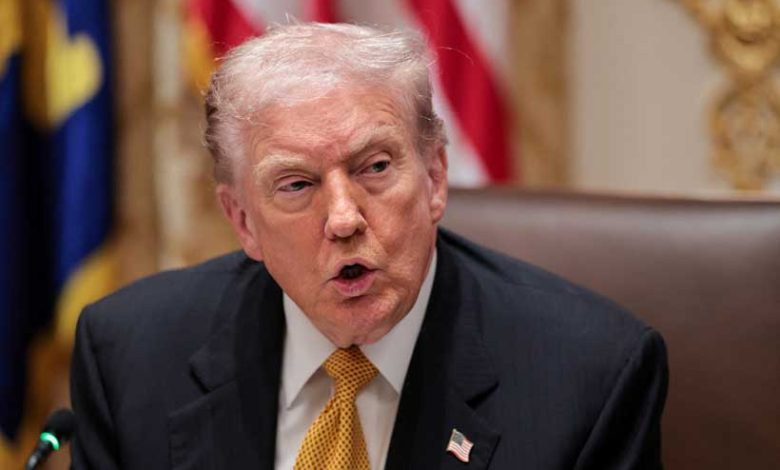
Since the upheaval caused by President Donald Trump’s “Liberation Day” tariffs in April, which triggered a sharp sell-off in U.S. Treasuries, the administration has sought to manage the bond market carefully. Treasury Secretary Scott Bessent, a former hedge fund manager, has led efforts to keep yields in check through messaging, consultations with investors, and tactical use of short-term debt and bond buyback programs. Yet the relationship remains fragile, with investors alert to rising deficits, potential inflation, and policy shifts that could unsettle the market.
The Bond Market’s Warning
A reminder of the market’s fragility came on November 5, when the Treasury indicated plans to sell more long-term debt. The same day, the Supreme Court heard arguments on the legality of Trump’s tariffs, prompting 10-year yields to spike more than 6 basis points a sharp move highlighting investor concerns over revenue and deficit management. Analysts described it as a “reality check,” signaling that the bond market’s scrutiny remains intense.
Treasury’s Strategy
Bessent has pursued a multifaceted approach to stabilize yields: leaning on short-term T-bills, expanding buyback programs to limit long-dated supply, consulting investors on Federal Reserve leadership candidates, and signaling commitment to fiscal discipline. These efforts aim to keep borrowing costs low across the curve and reassure markets that the administration is responsive to investor expectations.
Investor Sentiment
Executives at banks and asset managers overseeing trillions of dollars in U.S. debt say the administration’s actions have temporarily eased fears. Short positions on long-dated Treasuries fell over the summer, reflecting confidence in the administration’s strategy. Yet underlying concerns remain about high deficits, potential inflation, tariff shocks, and the impact of emerging technologies such as AI and cryptocurrencies on financial stability.
The Role of Bond Vigilantes
Market participants note that “bond vigilantes” are always watching. Any sign of fiscal imprudence or policy missteps could quickly trigger higher yields. The U.S. has historically faced investor pressure when debt levels rise unchecked, and even creative strategies like T-bill reliance and stablecoin purchases carry risks if broader economic or inflationary conditions shift.
Global Implications
U.S. Treasury yields influence global finance, affecting currency markets, international borrowing, and investor confidence worldwide. The delicate balance achieved by the Trump administration is therefore not only a domestic concern but a key factor in maintaining international financial stability.
What’s Next
The administration’s strategies emphasizing shorter-term debt issuance, buyback programs, and investor consultations have so far kept yields in check. However, risks remain from inflation spikes, Fed policy changes, tariff shocks, and volatility in stablecoin demand. Analysts warn that this uneasy equilibrium could unravel quickly if fiscal pressures intensify, testing the administration’s ability to maintain control over the $30 trillion bond market.
Analysis
The U.S. bond market demonstrates its enduring power as a check on government policy. While the Trump administration has succeeded in temporarily calming investors, the structural challenges of high deficits and debt levels persist. Any misstep be it policy miscommunication, inflation surprises, or unexpected market shocks could rapidly reignite investor fears and drive yields higher. Treasury’s reliance on T-bills and stablecoin purchases highlights creative but precarious solutions that may not withstand prolonged fiscal or economic stress. This delicate balance underscores the ongoing influence of “bond vigilantes” and the importance of prudent fiscal management in maintaining market confidence.
With information from Reuters.