Vanguard’s BND Offers Bigger Pay and Lower Fees Than Fidelity’s FIGB
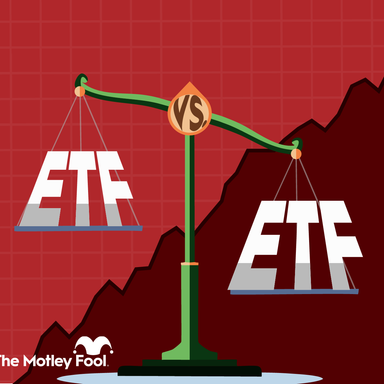
These two bond ETFs offer broad exposure to the bond market, but one of the funds in particular may have a conisderable advantage.
Both the Vanguard Total Bond Market ETF (BND +0.29%) and the Fidelity Investment Grade Bond ETF (FIGB +0.37%) aim to serve as core bond holdings, providing easy access to a diversified portfolio of high-grade U.S. bonds. This comparison examines cost, performance, risk, liquidity, and portfolio composition to help investors decide which fund best fits their needs.
Snapshot (cost & size)
| Metric | FIGB | BND |
|---|---|---|
| Issuer | Fidelity | Vanguard |
| Expense ratio | 0.36% | 0.03% |
| 1-yr return (as of Feb. 15, 2026) | 4.13% | 4.19% |
| Dividend yield | 4.07% | 3.9% |
| Beta | 0.28 | 0.27 |
| AUM | $423.78 million | $389.22 billion |
Beta measures price volatility relative to the S&P 500; beta is calculated from five-year weekly returns. The 1-yr return represents total return over the trailing 12 months.
BND is much more affordable in terms of fees but has a lower dividend yield. Both funds are very similar in one-year returns and beta.
Performance & risk comparison
| Metric | FIGB | BND |
|---|---|---|
| Max drawdown (4 y) | -15.02% | -14.37% |
What’s inside
For nearly 20 years, BND has tracked the broad U.S. investment-grade bond market, holding a large basket of 15,000 securities. It is designed for investors seeking balanced exposure across Treasuries, mortgage-backed securities, and investment-grade corporates.
FIGB is one of the newer bond ETFs in the market, launched slightly less than 5 years ago. It holds significantly fewer assets than BND, with 735, but it offers a similar broad approach to the fixed-income sector.
For more guidance on ETF investing, check out the full guide at this link.
What this means for investors
Both funds are very similar, but BND may have the edge over FIGB, as it has a significantly lower expense ratio, and actually has a higher dividend payout than FIGB, even though its yield percentage is smaller because its price is $30 higher than FIGB’s.
BND also has a slightly higher percentage in U.S. government and AAA bonds than FIGB, while maintaining the diversity of lower-rated bonds. Opting for FIGB may offer slightly higher price return potential than BND due to the increased volatility associated with the lower-rated holdings, but the difference in holdings between the two funds isn’t substantial.
What may be a unique benefit of investing in FIGB is that it’s very young compared to other bond ETFs on the market and may offer greater scalability in the long term. Regardless of which ETF investors may lean towards, be aware that bond ETFs often grow significantly slower than stock ETFs, so don’t expect anything close to triple-digit returns annually.
Adé Hennis has no position in any of the stocks mentioned. The Motley Fool has positions in and recommends Vanguard Total Bond Market ETF. The Motley Fool has a disclosure policy.