Vermont Futures Project shares economic data
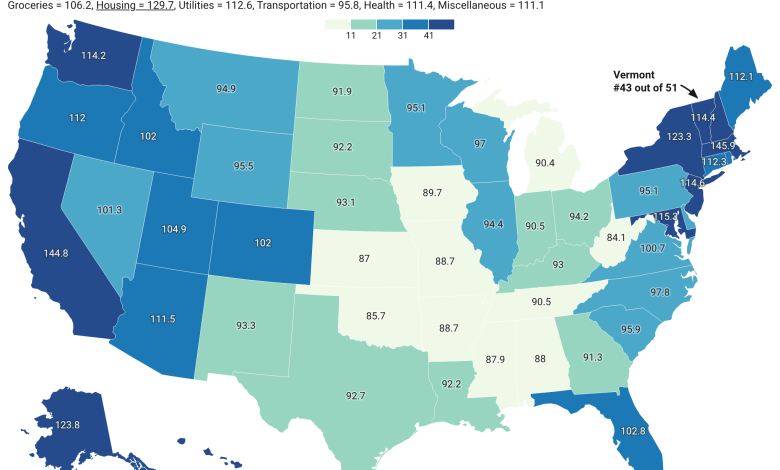
Vermont Business Magazine Today, the Vermont Futures Project released the Vermont Competitiveness Dashboard, a comprehensive new data tool that shows how Vermont compares to other states across key indicators shaping long-term economic vitality, including population trends, housing production, workforce dynamics, affordability, and economic momentum.
The dashboard is intended to support informed reporting and public conversation by grounding economic discussions in transparent, comparable data. It complements the Vermont Economic Action Plan and highlights where Vermont is performing well and where long-term challenges remain.
You can view the complete dashboard here: https://vtfuturesproject.org/vermont-competitiveness-dashboard/
Data help us to understand where we are and how we got here, but data isn’t destiny. That was one of the core principles behind the Economic Action Plan, and it is also why the Vermont Futures Project has developed this Competitiveness Dashboard. It is a compilation of a range of economic indicators that show where Vermont ranks relative to the region and the nation as a whole. Rankings are sorted from #1 representing the highest relative performance to #50 or #51 representing the lowest relative performance.
Though the data reveal some strengths, there are far more areas that need urgent attention. The dashboard also serves as a basis for comparative analysis. Decision makers can use it to identify and investigate strategies and policies from states that are outcompeting Vermont.
This Competitiveness Dashboard is a reality check for Vermont and a call to action. Where we go as a state from here is a choice – one that can and should be informed by this data. If ignored, the trendlines will continue and data will become destiny.
Primary Economic Action Plan Indicators: People & Places
The long-term growth targets are to increase Vermont’s population to 802,000 by increasing the number or working-age adults, and to increase the number of non-seasonal housing units to 350,000. Growth of people and places are lagging indicators of impactful economic strategies. The recommendations in the Economic Action Plan serve as a starting point to effect change. The other metrics in this competitiveness dashboard highlight other opportunities for Vermont to improve its economic future.
Source: Vermont, January 8, 2026: https://vtfuturesproject.org/
To support vital journalism, access our archives and get unique features like our award-winning profiles, Book of Lists & Business-to-Business Directory, subscribe HERE!