Treasuries advance as rate cut hopes build momentum
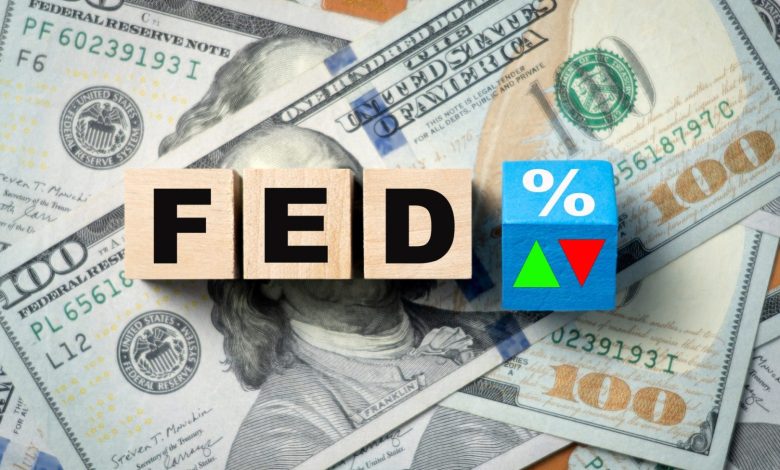
Bond markets signal growing expectations for Federal Reserve rate cuts as delayed employment data promises clarity on economy
Government bond prices inched upward as investors positioned themselves ahead of crucial employment data that could reshape expectations for monetary policy in the months ahead. The movement in Treasury markets reflects growing speculation that a weakening labor market may force the Federal Reserve to deliver additional interest rate cuts despite recent signals of caution from policymakers.
The two year yield slipped to near its lowest level in more than a week, declining 1 basis point to 3.49 percent for a third consecutive day of easing. The benchmark 10 year yield remained relatively stable at 4.17 percent. The widening gap between these two rates has reached its most extreme point since early 2022, a pattern that typically signals investor concerns about the long term consequences of aggressive monetary loosening, particularly the risk of rekindling inflationary pressures.
Employment data takes center stage
November payrolls figures are expected to show employers added just 50,000 positions, a figure that would represent one of the weakest monthly gains in recent years outside of pandemic disruptions. MUFG strategist Lee Hardman noted that the nonfarm payrolls report could materially alter current market expectations, which currently anticipate the Fed will leave rates unchanged at its next policy meeting in January.
The employment data represents one of several key economic releases delayed by the recent 43 day government shutdown. Investors will receive a compressed schedule of important indicators this week, including consumer price figures due Thursday that will provide additional insight into the pace and trajectory of the Fed’s rate cutting cycle.
A weaker than expected jobs reading could bolster the case for more aggressive monetary easing, potentially shifting market dynamics that currently assign only a 20 percent probability to a quarter point rate reduction at the January meeting. This relatively low expectation comes despite the Fed having delivered a cut just last week, reflecting the complex signals policymakers have sent about future moves.
Markets interpret dovish undertones
Short dated Treasury yields have been sliding since the Fed’s most recent rate decision, with markets interpreting the central bank’s forward guidance as less hawkish than many anticipated. Federal Reserve officials emphasized that further cuts would depend heavily on incoming economic data, leaving themselves flexibility while avoiding firm commitments in either direction.
The gap between market expectations and official Fed projections has widened notably. Traders are pricing in at least two additional quarter point reductions throughout 2026 to support economic growth, while Federal Reserve officials maintain a median forecast calling for just one cut during that period. This divergence suggests either markets expect economic conditions to deteriorate more than policymakers currently anticipate, or investors believe the Fed will ultimately prove more accommodative than its current guidance suggests.
Currency markets signal caution
The Treasury market movements are occurring alongside notable shifts in foreign exchange positioning. Currency traders are increasingly preparing for the possibility that upcoming economic data will reveal additional signs of slowing growth, which could weaken the dollar’s value relative to other major currencies.
Options market indicators provide concrete evidence of this shifting sentiment. One week and one month risk reversals, sophisticated measures of directional bias among traders, have reached their most bearish levels on the greenback in three months. This positioning reflects concerns that deteriorating economic fundamentals could prompt more aggressive Fed action while simultaneously reducing the dollar’s appeal as an investment destination.
The concentration of important data releases in a compressed timeframe adds an unusual element of volatility to market dynamics. Investors who typically would have weeks to digest and respond to individual data points now face the prospect of multiple significant releases arriving within days of each other, potentially amplifying market reactions and creating opportunities for sharp moves in both directions.
The jobs report will provide the first major test of whether recent Treasury market movements accurately anticipated economic reality or whether investors have overestimated the likelihood of meaningful labor market deterioration. Thursday’s inflation data will offer a second crucial data point, helping markets calibrate expectations for the pace of future rate adjustments.