this time the IPO wasn’t different
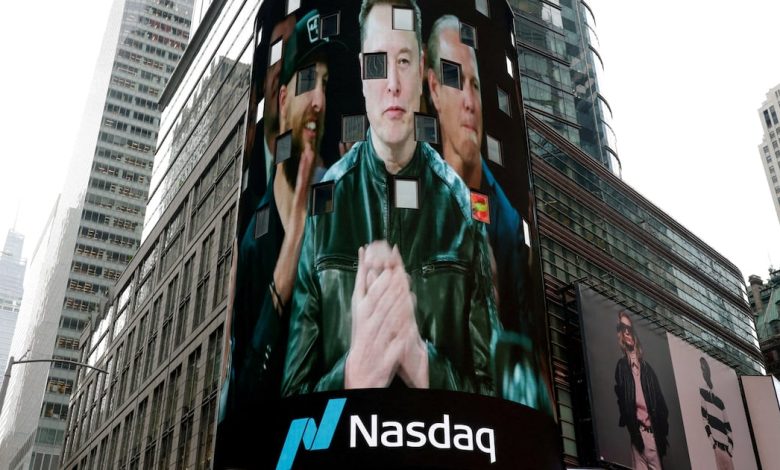
Just a couple of weeks after peak hype, SpaceX’s IPO is back where it started.
The pre-listing price was set at $135 a share. Only a handful of retail investors got in at that price, as IPOs are dominated by institutional underwriters and large funds. The rest had to wait for public trading, even though SpaceX (to its credit) gave retail investors a much higher allocation than you’ll usually see in IPOs.
This system is no accident. By deliberately limiting access at the IPO price, the bankers create scarcity, which in turn drives higher prices as liquidity becomes available.
SpaceX opened at $150 on the first day of trade, giving those early investors an immediate mark-to-market gain. Things then became very exciting, with the share price rallying to $225 a share.
SpaceX has shown us that with enough hype, it almost doesn’t matter how crazy the starting valuation is for the IPO. If you create enough pent-up demand, you’ll get the first-day pop that IPOs strive for.
As expected, the initial price action led to my social media feed being a victory lap of punters gloating about their gains to investors who avoid IPOs. I’m one of those investors who simply won’t buy an IPO on principle, so I inevitably get dragged into these debates.
Today, SpaceX is trading at $153 a share. Practically everyone who bought the stock after it started publicly trading is now underwater. They’ve also become very quiet. As I expected, this was no different to how IPOs usually work out.
One nuance is how quickly this all happened: the SpaceX IPO was on June 12, just a few weeks ago!
The truth is that both the speculative punters and the IPO-averse investors (like me) were right about what happened. The difference is that the punters are at least giving themselves a chance to make money. They are electing to play a game of musical shares, where they need to get out before the music stops. Investors who avoid IPOs altogether can’t lose money on them, but we can’t make any money either.
The dangerous outcome in this scenario is that less experienced market participants will blindly follow the loud punters, while not understanding the risks of IPOs
So, it’s fine to participate in IPOs, just as it’s fine to ignore them. The difference is that investors who avoid IPOs tend to be more honest about their positions than online grifters, who somehow always “make money” in these things. I would certainly appreciate seeing more honest takes on the internet about how speculative positions simply didn’t work out.
It’s impossible to audit where the truth ends and the exaggerations (or outright lies) start. The dangerous outcome in this scenario is that less experienced market participants will blindly follow the loud punters, while not understanding the risks of IPOs. They inevitably lose money along the way.
This is because the timing of IPOs is a deliberate strategy put in place by the brightest minds on Wall Street. You’ll rarely see an IPO in a bear market, or at a point in the company life cycle where it doesn’t have a great story to tell. IPOs take place in red-hot markets where the likelihood of success (and overpaying for the shares) is the highest.
It’s like creating an online dating profile. You want to give yourself the best possible chance, so you make sure you look great and sound interesting when you try to attract romantic attention. The old saying in the market is that a company is being “dressed up for IPO” — and those clothes aren’t always a reflection of what’s really going on, much like being “catfished” online.
This doesn’t mean that SpaceX won’t succeed over the long term, or that investors can’t still achieve decent returns. The lesson here is that buying IPO hype is dangerous regardless of the underlying company, as the incentive structures behind IPOs create an unpalatable risk environment.
The SpaceX price action has implications that go far beyond its own IPO. With SpaceX getting first-mover advantage, we now have a live scoreboard for investor interest in consumer-facing AI technology. This is a different risk/reward setup to the hardware stocks that act as the shovel in the gold rush (like Nvidia).
And with SpaceX having given up its post-IPO gains so quickly, OpenAI is reportedly thinking twice about coming to market this year. SoftBank Group, one of OpenAI’s backers, fell 12.5% on this news. It’s also worth noting that Microsoft has been making 52-week lows.
The “top” of this market might have a very pointy tip indeed, with SpaceX having timed it beautifully. We now wait to see what OpenAI (and Anthropic) will do. I’ll be avoiding both IPOs.