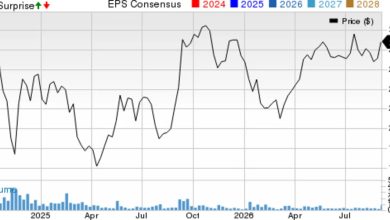
After a 110.4% total return over the last three years, Travel + Leisure stock is coming under closer scrutiny, as both the Discounted Cash Flow (DCF) intrinsic value estimate and the earnings based multiples currently point in the same direction: the shares screen as undervalued despite the strong run.
Travel + Leisure has returned 110.4% over three years, which puts more focus on whether the current price still leaves a margin between market value and underlying cash flow expectations.
Recent analyst upgrades citing healthy U.S. travel demand can support confidence in the fee based model, while any change in that demand or timeshare sentiment may weigh on how sustainable current cash flow expectations look.
Travel + Leisure scores highly on the broader valuation checks, with 5 out of 6 signals suggesting the stock leans cheap on both intrinsic value and market multiple measures.
The stock’s next move may depend on whether that apparent discount, including the DCF estimate that implies the shares trade around 47.8% below intrinsic value, offers enough compensation for the risks around future travel demand and cash flow durability.
The Discounted Cash Flow (DCF) model estimates what Travel + Leisure is worth today based on the cash it is expected to generate in the future. For Travel + Leisure, the model starts with latest twelve month free cash flow of about $460.6 million and assumes that cash flows continue growing from these levels rather than contracting.
On those projections, the DCF output points to an intrinsic value of about $147 per share, compared with the current market price. This implies the stock trades at roughly a 47.8% discount to that estimate. Goldman Sachs’ recent upgrade, which highlights the company’s recurring fee income and healthy U.S. travel demand, helps explain why some analysts see support for those cash flow assumptions even though the share price still sits well below the modelled value.
On this DCF view, Travel + Leisure stock screens as undervalued relative to the cash flows currently built into the model.
The P/E ratio is a useful cross check for Travel + Leisure because earnings capture the profitability of its fee based vacation ownership model. The stock currently trades on a P/E of about 20.3x, which sits below the Hospitality industry average of roughly 23.8x and below a peer group average of about 32.3x.
A fair P/E ratio that adjusts for Travel + Leisure’s size, margins, sector and risk profile comes out at about 39.8x. This is almost double the current multiple. That gap suggests the market is pricing the stock at a discount to what this tailored benchmark implies, even after the recent strong share price run and increased attention from research houses.
On this earnings multiple framework, Travel + Leisure stock appears undervalued compared with both industry norms and its modelled fair P/E level.
The Travel + Leisure Narrative: What Would Justify Today’s Price?
Simply Wall St Narratives pick up where the valuation work on Travel + Leisure leaves off by spelling out the specific paths for growth, margins and earnings that would need to play out for the stock to be worth significantly more or less than today’s price on the Community page. Where a single ratio or model output gives one number, these stories unpack the future that number assumes so you can monitor whether it is actually unfolding.
One of the top community narratives on Travel + Leisure: 12% undervalued
“The strong and growing pipeline of predictable, recurring revenue from owner upgrades, management fees, and financing activity, along with a $20 billion ten-year revenue pipeline, underpins dependable free cash flow generation and earnings stability for future periods…”
For Travel + Leisure, both the Discounted Cash Flow (DCF) intrinsic value estimate and the earnings multiples point in the same direction, with the stock screening as undervalued rather than stretched. The key question is whether the current discount, including the indicated 47.8% gap to intrinsic value, is justified by the risks around future travel demand and cash flow durability. What matters most from here is whether the fee based model continues to support stable free cash flow that convinces the market to close some of that gap instead of treating it as a value trap.
This article by Simply Wall St is general in nature. We provide commentary based on historical data and analyst forecasts only using an unbiased methodology and our articles are not intended to be financial advice. It does not constitute a recommendation to buy or sell any stock, and does not take account of your objectives, or your financial situation. We aim to bring you long-term focused analysis driven by fundamental data. Note that our analysis may not factor in the latest price-sensitive company announcements or qualitative material. Simply Wall St has no position in any stocks mentioned.