Editorial | China’s drive to sidestep weaponised Western finance gains speed
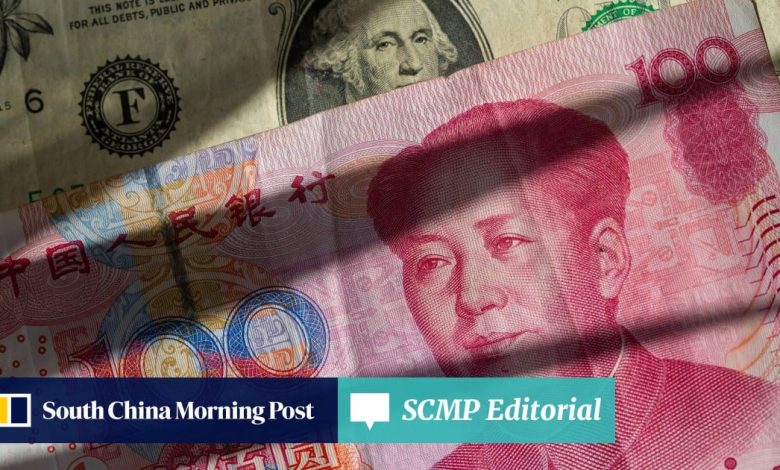
The authorities are prioritising independent transaction and settlement systems and developing broader and more liquid investment markets domestically. Beijing has tasked mBridge, a multilateral central bank digital currency (CBDC) platform, with becoming such a system. Panda bonds – yuan-denominated debt sold by foreign entities in China’s domestic market – aim to build a deep liquidity pool.
Recent large yuan transfers signal broader strategic efforts to advance usage of the CBDC platform, which enables transactions to bypass the more standard global systems. The dominant Swift interbank network has been used by the United States as a method of sanctions. The mBridge project seeks to reshape cross-border payments by using blockchain technology to enable faster and more secure settlement.
Partners include central banks from mainland China, Hong Kong, Macau, Saudi Arabia, the United Arab Emirates and Thailand. The project could be critical in mitigating geopolitical risks and reducing reliance on Swift for China and other participants. To improve the quality of credit ratings for panda bonds, Chinese regulators are pushing rating agencies to adopt internationally accepted standards such as matching their grades with generally recognised credit-rating scales. They are stepping up scrutiny of panda bond issuances to ensure market quality and regulatory standards.
The goal is to close the gap between domestic and international rating systems to ease foreign investor uncertainty. As a low-cost fundraising alternative to US dollar-denominated debt, panda bonds are increasingly attractive to foreign investors. New issuances have totalled 184.23 billion yuan (US$27.2 billion) this year, up 62.3 per cent year on year. The quickening pace of yuan internationalisation is welcome, not only for the nation’s financial advancement but also for Hong Kong’s status as a premier offshore renminbi hub.