UBS Favors Gold Over Platinum as Market Surplus Grows
Add Logos Press as a preferred source on Google
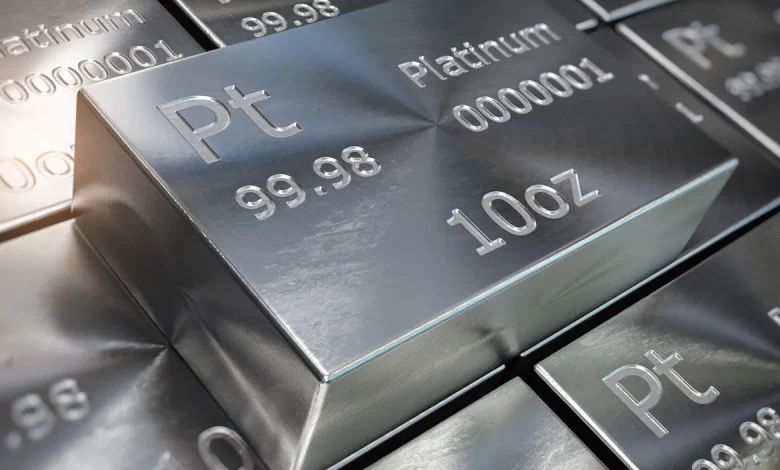
UBS strategist Giovanni Staunovo told the bank’s clients that, heading into the fourth quarter, gold looks more attractive than platinum. According to his assessment, the platinum market has been in a state of surplus for the second consecutive quarter, with supply exceeding demand, reports Investing.
According to the World Platinum Investment Council, the surplus in the second quarter stood at 244,000 ounces, or around 15 per cent of global demand. The organisation has revised its first-quarter surplus figure upwards to 304,000 ounces.
The forecast for the whole year has changed even more significantly. The council now expects a platinum surplus of 265,000 ounces. A deficit had previously been forecast.
The reason is a combination of rising supply and weak demand. Production in South Africa and Zimbabwe is recovering following disruptions caused by last year’s floods. In addition, the volume of platinum entering the market from recycled sources is increasing.
Demand, by contrast, is under pressure from several fronts. In China, interest in platinum jewellery has declined. The automotive industry is also reducing its demand for the metal as electric vehicles become more widespread; these do not require traditional catalytic converters for internal combustion engines.
There is also a risk to the remaining automotive demand. Platinum has once again become more expensive than palladium, and this could prompt car manufacturers to use palladium in new models, notes UBS.
Investors are also in no hurry to return to the platinum market at present. Sales of bars and coins have fallen, whilst exchange-traded funds are recording outflows. Demand is being supported mainly by the glass industry.
Gold appears more stable in this situation. Its price rise is also supporting platinum, as the prices of the two metals have historically been closely linked. However, UBS expects a moderate decline for platinum in the short term, after which its price is likely to trade predominantly within a sideways range over the next 12 months.