Mohamed El-Erian says 30-year Treasury yield at 5.27% signals a structural shift that will make America more expensive
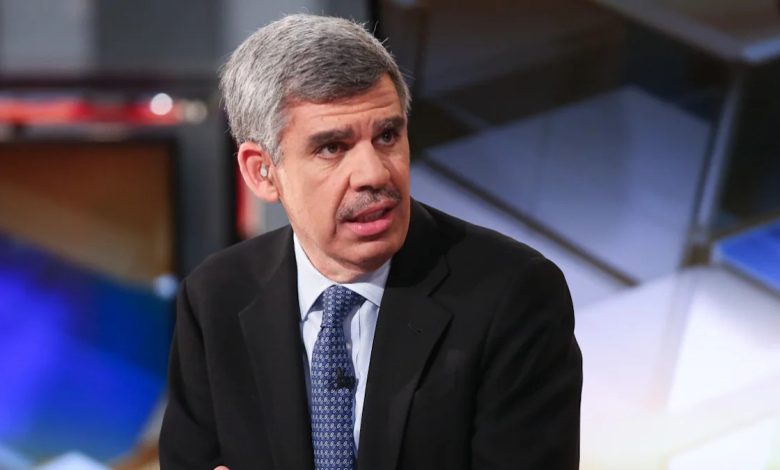
For economist Mohamed El-Erian, sky-high interest rates on U.S. bonds are the harbinger of an even greater affordability crisis.
“This is no ordinary bond-market sell-off,” El-Erian announced in his latest opinion piece for The New York Times. The former PIMCO CEO argued that, if selling pressure on bonds continues, “it could mark the beginning of a structural economic shift more enduring and more globally consequential than most previous episodes of market volatility.”
Must Read
Despite the U.S. Treasury’s announcement to ramp up its long-term bond buyback sizes to $4 billion, selling hasn’t abated. Currently, the U.S. 30-year Treasury has a yield of 5.27%, a level El-Erian notes was last seen in 2007. The 10-year and five-year bonds are also both climbing, currently at 4.736% and 4.426%, respectively.
With the national debt crossing the $40 trillion threshold, those high percentages translate to humungous piles of money.
According to the latest data from the Congressional Budget Office (CBO), net interest on public debt for fiscal year 2026 is now $963 billion. That makes paying off interest second only to Social Security in yearly government spending.
El-Erian added: “That means more federal revenue goes to service the debt — nearly 20% — leaving less available for, say, defense or health care.” The longer this issue festers, the more likely there will be “considerable risks to our well-being.”
An “unsettling” environment
It’s not just the size of bond yields and the national debt that has El-Erian worried. In his post, he walks through the unique causes driving the current bond chaos — causes he feels make it nearly impossible for policymakers to offer a quick fix.
Unlike bond yield spikes in the past, El-Erian doesn’t believe “runaway inflation” is the key cause. In El-Erian’s mind, “what has surged is the real yield, or the extra, inflation-adjusted compensation that investors demand to bear the risk of buying debt in a more volatile world.” Because of that, he believes that “it’s unsettling out there right now.”
On the one hand, El-Erian pointed to intense borrowing from hyperscalers furiously building their AI data centers. Citing stats from Goldman Sachs, El-Erian writes these Big Tech companies have “already sold almost $500 billion in bonds this year and will probably borrow a minimum of another $300 billion by year’s end.”