After a Historic AI Rally, South Korean Tech Stocks Are Tumbling. Here’s Why
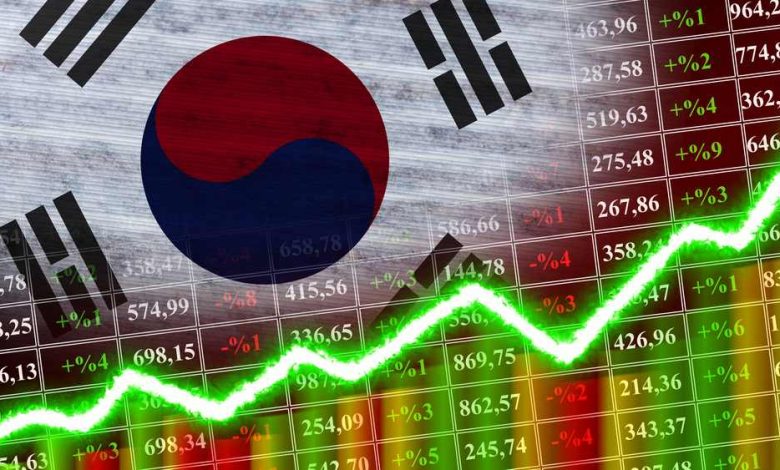
The correction isn’t being driven by collapsing demand for AI infrastructure. Instead, markets are beginning to question whether the sector’s extraordinary share price gains had simply run too far ahead of fundamentals.
The shift became clear after Samsung Electronics reported a 19-fold increase in quarterly operating profit. Under normal circumstances, those results would have been celebrated. Instead, the shares sold off after earnings fell short of the market’s exceptionally high expectations, highlighting just how demanding investor sentiment had become.
The same reassessment has spread across the broader semiconductor sector. Despite remaining one of the world’s largest suppliers of High Bandwidth Memory (HBM) chips for AI processors, SK Hynix has also come under pressure as investors lock in profits following one of the strongest rallies in its history.
Beyond company earnings, several other developments continue shaping sentiment across South Korea’s technology sector:
The correction highlights how quickly capital can rotate once expectations become stretched. Investors have begun looking beyond memory-chip manufacturers towards cheaper technology opportunities elsewhere in Asia, while others are rotating into more defensive sectors after one of the strongest AI rallies in decades.
For Australian traders, volatility like this no longer means simply watching from the sidelines. Contracts for Difference (CFDs) make it possible to respond to international market moves without expensive brokerage costs and the flexibility to trade both rising and falling prices.
“Trade Tech Stocks with an ASIC-regulated broker. Fast AUD funding via PayID. ”